
Menopause isn't the end of your sexual or physical vitality; for many women, it’s actually a profound beginning. Yet, the shift in hormones often brings a disconnect between mind and body that feels frustrating and isolating. You might notice dryness, a drop in libido, or just a general feeling that your pelvic region has gone "quiet." Enter yoni massage, a therapeutic practice rooted in Sanskrit traditions focusing on the sacred space of the female genitalia to restore energy flow and emotional connection. It’s not about chasing an orgasm or performing a sex act. It’s about waking up.
If you’re over 50 and feeling like your body has changed the rules on you, this guide is for you. We’ll break down what yoni massage actually involves, why it specifically helps postmenopausal women, and how you can safely integrate it into your routine without awkwardness or medical risk.
What Exactly Is Yoni Massage?
The word "yoni" comes from Sanskrit and translates roughly to "sacred space," "source," or "womb." In the context of tantric practices, it refers to the entire female genital area, including the vulva, clitoris, vagina, and the surrounding pelvic floor muscles. Unlike a standard gynecological exam, which is clinical and often cold, or a typical sensual massage, which aims for arousal, yoni massage is purely therapeutic and meditative.
The goal here is vitality. During menopause, estrogen levels drop significantly. This affects blood flow to the pelvic region, leading to tissue thinning (atrophy) and reduced sensation. Yoni massage uses slow, intentional touch to stimulate circulation, release stored tension, and reconnect you with sensations you may have lost. It treats the pelvis not as a source of embarrassment, but as a center of creative power and life force.
Why Menopause Changes the Pelvic Landscape
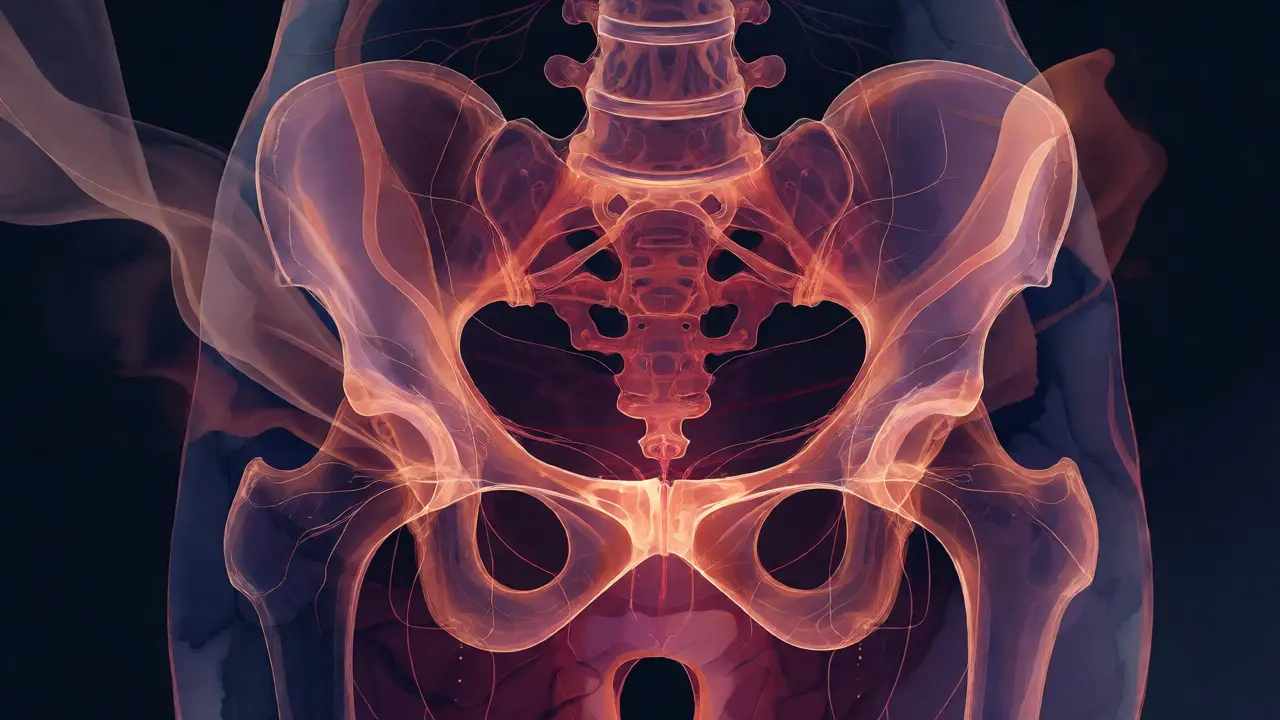
To understand why this massage works, you have to look at what happens biologically. When you hit perimenopause and then menopause, your ovaries produce less estrogen. Estrogen is crucial for maintaining the thickness and elasticity of vaginal tissues and for keeping them lubricated. Without it, tissues become thinner, drier, and less elastic-a condition known as genitourinary syndrome of menopause (GSM).
This isn't just a plumbing issue. The pelvic floor muscles, which support your bladder, bowel, and uterus, can also tighten or weaken due to hormonal shifts and stress. Many women unconsciously clench their pelvic floor when they feel vulnerable or anxious. Over years, this chronic tension becomes habitual. Yoni massage addresses both the physical tissue health and this muscular armor. By gently working these areas, you encourage blood flow, which brings nutrients and oxygen to starved tissues, helping them regenerate and stay healthy.
Physical and Emotional Benefits for Women Over 50
You might be wondering if this is worth the time and money. Here is what practitioners and users typically report after consistent practice:
- Improved Blood Flow and Tissue Health: Increased circulation can help combat dryness and atrophy. Better blood flow means healthier cells and potentially better natural lubrication.
- Pain Relief: Many women experience dyspareunia (painful intercourse) or general pelvic discomfort. Releasing tension in the pelvic floor can alleviate this pain.
- Emotional Release: The pelvis is often called the "emotional sink" of the body. Stress, trauma, and grief are frequently stored there. Gentle massage can trigger unexpected emotions-crying, laughter, or anger-which is part of the healing process.
- Better Sleep and Reduced Hot Flashes: While not a cure, the deep relaxation response triggered by parasympathetic nervous system activation can help regulate stress hormones, potentially easing the severity of hot flashes and improving sleep quality.
- Reclaimed Body Image: Menopause can make women feel invisible or disconnected from their sexuality. Touching your own body with care rebuilds that intimacy and confidence.
How to Practice Yoni Massage Safely at Home
You don’t need a partner to do this. In fact, solo practice is highly recommended for postmenopausal women because it allows you to set your own pace and boundaries. Here is a simple framework to get started.
Preparation is Key
Set the scene. Dim the lights, light a candle, or play soft music. Make sure the room is warm-cold air causes muscles to tense up, defeating the purpose. Have clean hands, trimmed nails, and a high-quality oil ready. For menopausal skin, which tends to be drier, choose oils rich in fatty acids like jojoba, sweet almond, or coconut oil. Avoid scented lotions that can irritate sensitive mucous membranes.
The Technique
- Start Externally: Begin by massaging the lower abdomen, hips, and inner thighs. Use long, soothing strokes to signal safety to your nervous system.
- Move to the Vulva: Apply oil to your fingers. Gently massage the labia majora and minora. Use circular motions. Don’t rush. Notice any areas of tightness or tenderness.
- Internal Exploration (Optional): If you feel comfortable, insert one finger into the vagina. Use a "come hither" motion to gently stretch the anterior wall (where the G-spot is located). This area is rich in nerve endings and erectile tissue that benefits from increased blood flow.
- Focus on the Clitoris: Treat the clitoris with reverence. It has thousands of nerve endings. Use broad, gentle circles rather than direct, intense pressure, especially if sensitivity has changed.
- Breathe: Deep belly breathing is essential. Inhale deeply to expand the rib cage, exhale slowly to relax the pelvic floor. Imagine your breath traveling down into your pelvis.
Professional vs. Solo Practice: Which Is Right for You?
| Feature | Solo Practice | Professional Session |
|---|---|---|
| Cost | Low (one-time oil purchase) | High ($100-$200+ per session) |
| Comfort Level | High privacy; no vulnerability | Vulnerable; requires trust in therapist |
| Technique Guidance | Self-directed; learning curve involved | Expert guidance; specific techniques applied |
| Emotional Depth | Good for self-reflection | Can facilitate deeper release through presence |
| Frequency | As often as desired | Weekly or bi-weekly |
Many women start with a few professional sessions to learn proper technique and gain confidence, then transition to a regular solo routine. A qualified practitioner trained in Tantric or somatic therapies will know how to navigate boundaries and ensure the experience remains therapeutic, not sexual.

Common Concerns and Misconceptions
Let’s address the elephant in the room: Is this weird? Will it hurt? Is it just a fancy way to say masturbation?
No, it’s not just masturbation. Masturbation is usually goal-oriented (orgasm). Yoni massage is process-oriented. You might not reach orgasm, and that’s fine. The point is awareness and relaxation.
Regarding pain: Some initial discomfort is normal if you’ve been holding tension for decades. However, sharp pain is a stop sign. Go slower, use more oil, and breathe. If you have severe vaginal atrophy or conditions like lichen sclerosus, consult your doctor first. They might recommend topical estrogen cream alongside massage to reduce friction and irritation.
Another common fear is leakage or bodily functions. Remember, the pelvic floor supports the bladder and bowel. Relaxing it completely can sometimes lead to minor urine leakage. Wear a towel or go to the bathroom beforehand. It’s a natural bodily function, nothing to be ashamed of.
When to Seek Medical Advice
While yoni massage is generally safe, it’s complementary, not a replacement for medical care. See your gynecologist if you experience:
- Unexplained bleeding after menopause.
- Persistent pain that doesn’t improve with rest.
- Signs of infection (itching, unusual discharge, odor).
- Severe dryness that interferes with daily life despite using oils.
Hormone Replacement Therapy (HRT) and local estrogen treatments remain the gold standard for treating GSM symptoms. Think of yoni massage as a powerful adjunct that enhances the effectiveness of medical treatments by improving blood flow and muscle tone.
Next Steps for Your Journey
Ready to try it? Start small. Commit to 10 minutes twice a week. Buy a bottle of organic jojoba oil-it’s close to your body’s natural sebum and absorbs well. Find a quiet evening where you won’t be interrupted. Turn off your phone. Light a candle. Place your hand on your lower belly, take three deep breaths, and begin exploring with curiosity rather than judgment.
Your body has carried you through decades of life. It deserves to be treated with the same care and attention you give your closest friends. Yoni massage isn’t about fixing something broken; it’s about honoring what is still very much alive.
Is yoni massage sexual?
Not necessarily. While it involves intimate areas, the intent is therapeutic and meditative. It focuses on relaxation, energy flow, and emotional release rather than sexual arousal or orgasm. Many women find it deeply non-sexual and spiritually grounding.
Can yoni massage help with vaginal dryness?
Yes, indirectly. By increasing blood flow to the pelvic region, massage can improve tissue health and natural lubrication over time. It also helps identify areas of tension that restrict circulation. However, for severe dryness caused by low estrogen, it should be combined with moisturizers or prescribed hormone therapies.
How often should I do yoni massage?
There is no strict rule, but consistency is key. Starting with once or twice a week for 15-20 minutes is a good baseline. Listen to your body. Some days you may want longer sessions, other days shorter ones. Regular practice yields the best results for tissue health and emotional balance.
What oil is best for postmenopausal skin?
Choose unrefined, organic oils that mimic natural skin lipids. Jojoba oil is excellent because it is technically a wax ester similar to human sebum. Sweet almond oil and coconut oil are also popular choices. Avoid synthetic fragrances or mineral oils, which can clog pores and irritate sensitive mucous membranes.
Is it safe to do yoni massage during menopause?
Generally, yes. It is considered safe for most women. However, if you have active infections, open sores, recent surgery, or undiagnosed bleeding, consult your healthcare provider first. Always prioritize comfort and stop if you feel sharp pain.