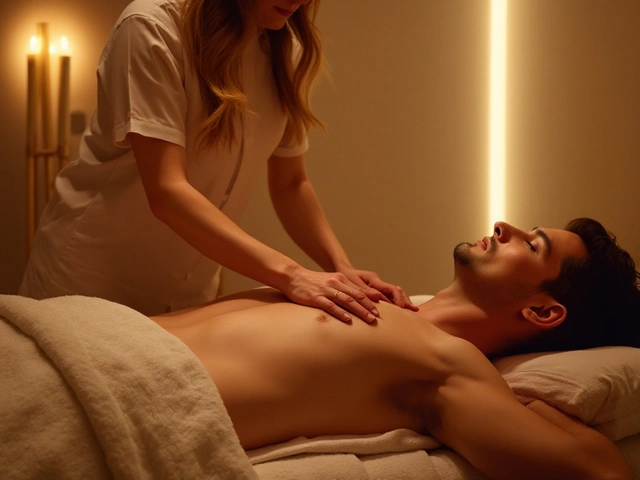

Ever felt like you and your partner are speaking two different languages when it comes to intimacy? One of you is ready for connection while the other feels pressured or indifferent. This disconnect, often called mismatched libido, is one of the most common silent killers of romantic relationships. But what if the solution wasn't a serious sit-down conversation over coffee, but a shared hour on a massage table?
For many couples in Portland and beyond, the idea of booking a couple's massage a therapeutic session where two partners receive treatment simultaneously from separate therapists sounds like a luxury spa day. However, recent trends in sexual wellness suggest it’s becoming a legitimate tool for bridging the gap between high and low desire. It’s not just about relaxing muscles; it’s about resetting the nervous system together.
The Science Behind Touch and Desire
Why does lying next to someone while they get rubbed down help with sex drive? It comes down to chemistry. When we feel stressed, our bodies produce cortisol, which kills libido. When we experience safe, non-sexual touch, our brains release oxytocin, often called the "cuddle hormone."
A study published in Physiology & Behavior found that after a 60-minute shared massage, 78% of couples showed a 37% increase in blood oxytocin levels. That’s a massive biological shift. For couples struggling with desire, this isn't just fluff; it’s physiology. The massage removes the "performance anxiety" component. You aren’t trying to have sex; you’re just existing in the same space, feeling good. This lowers the barrier to entry for intimacy later on.
Tantric Massage vs. Standard Spa Treatments
Not all massages are created equal when dealing with libido issues. A standard Swedish massage might relax you, but it rarely addresses the emotional blockages causing low desire. This is where tantric massage a holistic bodywork practice focusing on energy flow, breath, and emotional connection rather than just muscle tension enters the picture.
Tantric techniques differ significantly from traditional spa services:
- Focus on Breath: Therapists guide couples through synchronized breathing exercises to align their energies.
- Slow Pacing: Movements are deliberate and slow, encouraging mindfulness rather than quick relaxation.
- Emotional Safety: The environment is designed to be judgment-free, allowing partners to explore sensations without pressure.
In regions where this practice has matured, such as parts of Europe, specialized centers report that 68% of couples see improved communication about sexual needs after just three sessions. While US data is still catching up, the anecdotal evidence from local practitioners mirrors these findings. The key difference is intent: a regular massage treats the body; a tantric approach treats the relationship dynamic.
| Feature | Couple's Massage (Standard) | Tantric Massage | Sex Therapy |
|---|---|---|---|
| Primary Goal | Physical Relaxation | Energy & Emotional Connection | Psychological Resolution |
| Duration | 60-90 minutes | 90-120 minutes | 50 minutes (weekly) |
| Cost Estimate | $150-$250 per couple | $200-$350 per couple | $150-$250 per person/session |
| Best For | Stress-induced low libido | Disconnect & lack of intimacy | Deep-seated trauma or dysfunction |

How to Structure Your Sessions
You can’t fix years of miscommunication in one hour. If you’re considering this path, treat it like a program, not a one-off event. Experts generally recommend a series of sessions to see lasting change.
Here is a realistic roadmap based on practitioner insights:
- The Consultation (Week 1): Before any oils hit skin, meet with the therapist. Discuss boundaries. Who is hesitant? Why? This step prevents awkwardness during the actual massage.
- Foundation Building (Weeks 2-4): Schedule three sessions spaced two weeks apart. Focus on learning each other’s language of touch. Use the time to practice eye contact and synchronized breathing.
- Integration (Weeks 5-8): Start applying techniques learned in the studio at home. This might mean 10 minutes of focused touch before bed, no strings attached.
It’s crucial to manage expectations. Data suggests that while 85% of couples notice changes after three sessions, significant shifts in libido often take 8-10 weeks. If you expect a magic bullet after one visit, you’ll likely be disappointed.
Pitfalls to Avoid
While promising, couple's massage isn't a cure-all. There are specific traps that can make things worse.
The Pressure Trap: If you book a massage hoping it will immediately lead to sex, you’ve missed the point. The goal is to remove the pressure. If Partner A feels obligated to perform after the massage, the oxytocin boost will be overshadowed by anxiety.
The Comparison Game: During a couple's massage, you share a room. If one partner seems more relaxed or vocal than the other, it can trigger insecurity. Choose a center that offers semi-private rooms if full visibility causes stress.
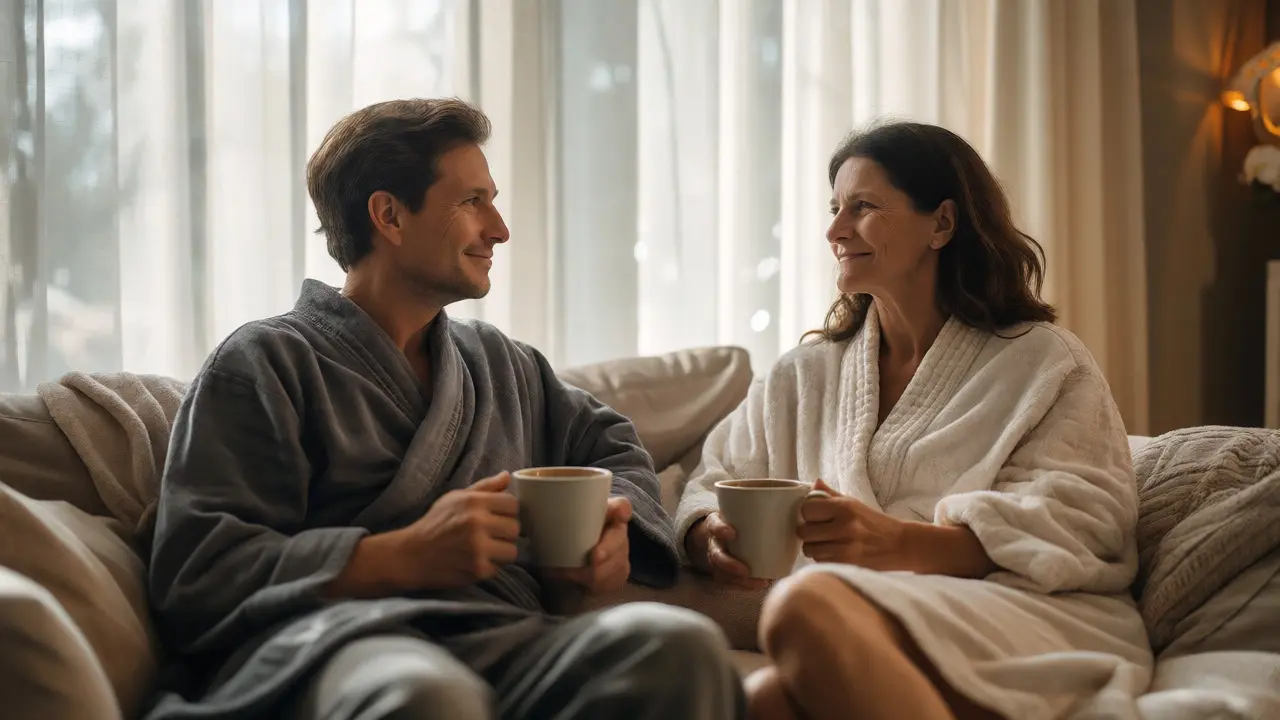
Lack of Aftercare: Many negative reviews stem from leaving the spa and never talking about the experience. Don’t let the momentum die in the parking lot. Debrief gently. What felt good? What felt uncomfortable? This conversation is often more valuable than the massage itself.
When Massage Isn’t Enough
Let’s be real: massage is a complement, not always a replacement. If your libido mismatch stems from deep psychological trauma, medical conditions, or unresolved resentment, a massage table won’t fix it.
Experts agree that for severe discrepancies-where one partner has near-zero interest and the other has high needs-massage should be paired with professional counseling. Think of massage as the bridge that makes the journey to therapy less intimidating. It creates a positive association with physical closeness, making the harder conversations easier to handle.
Also, consider the source. Ensure your therapist is certified. In the US, look for credentials from organizations like the American Massage Therapy Association (AMTA) or specific certifications in somatic or tantric work. Unqualified practitioners can inadvertently cross boundaries or miss red flags.
Final Thoughts on Finding Common Ground
Mismatched libidos don’t mean you’re incompatible. They mean you need a new strategy. Couple's massage offers a low-stakes, high-reward way to rebuild the foundation of physical trust. It shifts the focus from "having sex" to "being close."
If you’re stuck in a cycle of rejection and frustration, try changing the venue. Step out of the bedroom dynamics and into a neutral, healing space. Let the therapist hold the container so you can just be present with each other. Sometimes, the quickest way to reignite desire is to stop chasing it and start resting in it.
Does a couple's massage automatically lead to sex?
No. In fact, expecting it to leads to disappointment. The primary goal is relaxation and emotional reconnection. While increased intimacy may follow naturally due to higher oxytocin levels, framing it as a prelude to sex adds performance pressure that defeats the purpose.
Is tantric massage suitable for beginners?
Yes, provided you choose a reputable center. Beginners should clarify boundaries during the consultation. Tantric massage focuses on energy and breath, not necessarily genital manipulation, unless explicitly agreed upon. Look for therapists who emphasize safety and consent protocols.
How often should we schedule couple's massages?
For addressing libido mismatches, consistency is key. Most experts recommend starting with sessions every two weeks for the first two months. This frequency helps build new neural pathways associated with positive touch without overwhelming the budget or schedule.
What if my partner refuses to go?
Don't force it. Frame it as self-care for them, not a fix for "us." Sometimes, individuals with low libido feel broken or pressured. Suggesting a solo massage first can help them relax independently. Once they feel the benefits personally, they may be more open to sharing the experience.
Can massage help if the issue is medical?
Massage can alleviate symptoms like pain or stress that exacerbate medical issues, but it doesn't cure hormonal imbalances or erectile dysfunction. Always consult a doctor for underlying medical causes. Massage works best when combined with appropriate medical or therapeutic treatment.