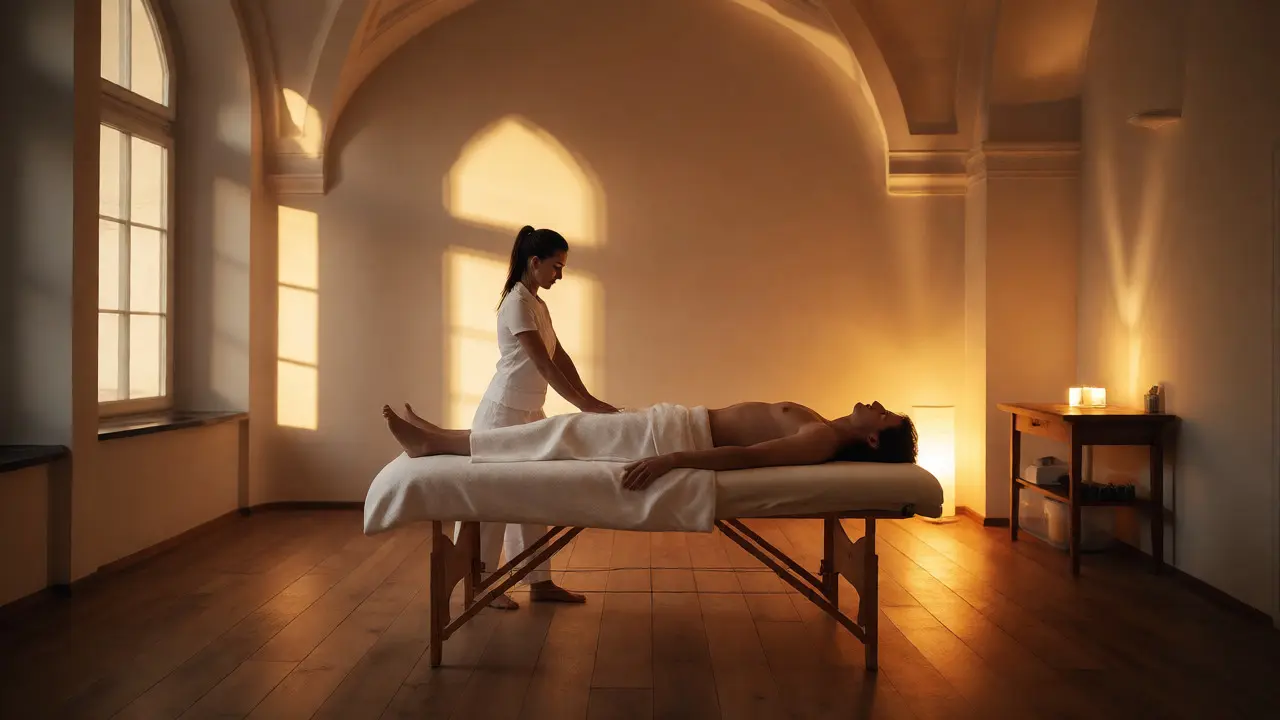
So, you want to open a tantric massage studio in Prague or Brno? It sounds like a dream job: helping people relax, balancing their energy, and making decent money doing it. But before you book your first client, there is a massive elephant in the room. Is this actually legal? The short answer is yes, but with a huge "but." In the Czech Republic, tantric massage lives in a tricky gray area between legitimate therapy and what authorities might suspect is disguised sex work. If you get this wrong, you aren't just facing a fine; you could face criminal charges for running an unlicensed sexual service. This guide breaks down exactly how to stay on the right side of the law as of late 2025.
The Legal Classification: Therapy vs. Sex Work
Here is the core problem: Czech law doesn't have a specific category for "tantric massage." Instead, it gets lumped into broader categories depending on how you run your business. According to Act No. 258/2000 Coll. on Public Health Protection, tantric massages are classified as "epidemiologically significant activities." This is a fancy way of saying the government cares about hygiene because bodies are touching. However, the real legal battle happens when you look at the Trade Licensing Act. Most legitimate studios register under trade code 7292 (other administrative and business support services) or similar wellness codes. They do not register as health care providers because that would require medical degrees and much stricter oversight.
The critical distinction lies in the outcome of the session. A legitimate tantric massage focuses on therapeutic energy work and emotional release. There is no sexual intercourse. Period. If a client leaves with anything other than relaxation and perhaps some emotional clarity, you are stepping into the legal vacuum of sex work. And here is the kicker: sex work in the Czech Republic isn't explicitly illegal, but it isn't fully regulated either. It exists in a legal limbo. As lawyer Jan Novák from the Czech Bar Association noted, the lack of clear legalization creates risks for everyone involved. If your massage crosses the line into sexual services, you lose the protection of being a standard business and enter a zone where police discretion plays a big role.
| Feature | Legitimate Tantric Massage | Erotic Massage / Sex Work |
|---|---|---|
| Primary Goal | Therapeutic relaxation, energy balance | Sexual gratification |
| Legal Basis | Trade License (e.g., code 7292) | Unregulated / Gray Area |
| Hygiene Rules | Strict adherence to Decree 357/2006 | Often ignored or minimal |
| Risk Level | Low if boundaries are respected | High (potential fines/closure) |
Getting Your Paperwork Right
You can’t just rent a room and start massaging. You need a solid paper trail to prove you’re a legit business. First up is the trade license. You’ll likely operate as a self-employed individual (OSVČ) or through a limited liability company (s.r.o.). For most solo practitioners, the OSVČ route is simpler. You must register with the local Trade Licensing Office. Be prepared for scrutiny. Recent data from the Czech Statistical Office suggests that 72% of trade offices ask for extra documentation during registration. Why? Because they are wary of "massage" businesses that are really something else.
Next comes the hygiene approval. This is non-negotiable. Your premises must be approved by the Regional Hygiene Station. They will check for specific standards outlined in Decree No. 357/2006 Coll. Here are the hard numbers you need to hit:
- Space: You need at least 12 square meters of floor space per masseuse.
- Facilities: Access to running water, a toilet, and changing areas is mandatory.
- Cleaning: You must have a protocol for sterilizing tools and cleaning surfaces between clients.
If you skip this step, one inspection can shut you down. I’ve seen stories of studios operating for months without proper approval, only to get fined heavily when a neighbor complained. Don’t be that person. Get your "kolaudační list" (approval certificate) before you hang your shingle.

The Human Element: Training and Ethics
Who is doing the massaging? This matters legally. While you don’t need a medical degree, you do need proof of professional competence. The industry standard-and what inspectors expect-is a certification showing at least 200 hours of training. This isn’t just a weekend workshop. It’s serious study of anatomy, technique, and ethics.
Speaking of ethics, this is your best defense against accusations of prostitution. You need a written ethical code. Post it on your website. Hand it to clients. Make them sign it if necessary. The code should clearly state that there is no sexual contact. The client remains passive; the masseuse does the work. Touching the masseuse is generally forbidden unless agreed upon for specific therapeutic reasons, which should be documented.
A common trap is the "upsell." Some operators try to push clients toward more expensive packages after the massage starts. If a client pays 3,500 CZK for a 60-minute session and then gets pressured into paying another 2,000 CZK for a "premium" add-on that feels suspiciously sexual, you are inviting trouble. Transparent pricing paid upfront is safer. It removes the incentive for the masseuse to "perform" beyond the agreed scope just to earn a tip or bonus.
Financial Realities and Market Trends
Let’s talk money. How much can you charge? In Prague, a standard 60 to 90-minute tantric massage ranges from 2,500 to 5,000 CZK. Outside of Prague, prices might drop slightly, but not significantly because the overheads for compliant spaces remain high. The market is growing. Data from the Association of Czech Masseuses shows that revenue in this segment grew by 6.8% in 2023 compared to the previous year. There are currently around 287 studios explicitly offering tantric services out of nearly 1,842 registered massage businesses in the country.
Who is buying this? Mostly men aged 35 to 55 with higher education and good incomes. They are looking for stress relief, not just a physical rubdown. Understanding your customer helps you defend your business model. If you can show that your clients are seeking wellness and therapy, you reinforce the legal argument that you are a health-related service provider, not a brothel.

Future Regulations: What’s Coming?
Things are changing. The Ministry of Health is preparing amendments to the Public Health Protection Act. Rumors suggest that by 2027, we might see a special license specifically for "specialized massages," including tantric techniques. This would likely raise the bar for training-possibly requiring 300 hours instead of 200-and introduce stricter certification processes.
Why does this matter now? Because getting ahead of the curve is cheaper than reacting to new laws later. If you invest in high-quality training and rigorous hygiene protocols today, you’ll be ready when the rules tighten. Legal experts like Pavel Jelínek predict that the era of loose regulation is ending. The goal is to clearly separate therapeutic practices from sexual services. For legitimate operators, this is good news. It cleans up the industry and reduces the stigma.
Common Pitfalls to Avoid
Even well-meaning entrepreneurs make mistakes. Here are the top three ways to get into trouble:
- Vague Contracts: If your terms and conditions don’t explicitly ban sexual acts, you leave room for interpretation. Always define the scope of service in writing.
- Poor Record Keeping: Keep logs of appointments, payments, and client feedback. If the police or tax office comes knocking, you want to show a pattern of professional behavior.
- Ignoring Neighbor Complaints: Noise and foot traffic can trigger inspections. If neighbors think you’re running a discreet club, they will report you. Address complaints proactively.
Remember, the burden of proof often falls on you to demonstrate that your business is what you say it is. Transparency is your shield.
Do I need a medical degree to offer tantric massages in the Czech Republic?
No, you do not need a medical degree. However, you must provide proof of professional competence, typically through a certified course of at least 200 hours. This distinguishes you from untrained practitioners and satisfies regulatory requirements for hygiene and safety.
Is tantric massage considered a sexual service under Czech law?
Not necessarily. If performed strictly according to therapeutic principles without sexual intercourse, it is classified as a wellness or recreational service. It becomes a legal issue only if sexual acts occur, moving it into the unregulated or restricted domain of sex work.
What are the minimum space requirements for a massage room?
According to Decree No. 357/2006 Coll., you need a minimum of 12 square meters of floor space per masseuse. Additionally, the facility must have access to running water, sanitary facilities, and adequate ventilation.
Can I operate without a hygiene station approval?
Technically, you might start, but it is highly risky. Operating without approval from the Regional Hygiene Station violates public health regulations. Inspectors can impose fines and order the closure of the business until compliance is achieved.
How much does it cost to set up a legal tantric massage business?
Costs vary widely based on location and renovation needs. Key expenses include trade license fees, hygiene approval costs, interior renovations to meet 12m² per therapist standards, and initial marketing. Budget for several tens of thousands of CZK for setup, plus ongoing rent and insurance.