Starting a tantra massage business sounds like a dream job until you hit the wall of bureaucracy. You have the skills, the space, and the passion, but without the right paperwork, your doors stay locked. Many new owners assume that getting a massage room approval is just a technical check of the building’s plumbing or electricity. It isn’t. In reality, it is an administrative battle to prove that your services are legitimate therapeutic practices, not disguised adult entertainment.
The process varies significantly depending on where you live, but the core challenge remains the same: convincing local authorities that your salon operates within strict legal and hygienic boundaries. If you are planning to open in regions with rigorous oversight, such as parts of Europe, understanding the specific requirements for operational permits can save you months of delays and thousands in fines. This guide breaks down exactly what you need to get approved, from the first sketch of your floor plan to the final stamp on your license.
Understanding the Approval Process
Let’s clear up a common misconception immediately. The term "approval" often implies a one-time inspection. For a tantra salon, it is actually a multi-agency consent process. You aren’t just asking for permission; you are gathering positive opinions from three distinct bodies: the Public Health Authority, the Fire Department, and the Building Office. Each has its own checklist, and if one says no, you don’t start.
Why is this so critical for tantra specifically? Because the line between a therapeutic massage and other services can feel blurry to an outsider. Authorities want to ensure that the facility meets health standards for body care services. According to industry discussions, the Public Health Authority is particularly interested in how you handle hygiene and client safety. They need to see that you have a structured approach to cleanliness and that your services are clearly defined as non-sexual therapeutic interventions.
You might wonder if you can skip the formal building approval (often called kolaudace in Central European contexts). In many cases, if you are renting an existing commercial space that already has the correct zoning, you might only need a change-of-use notification rather than a full construction completion certificate. However, if you are doing any structural changes-like adding partitions for privacy-you definitely need the building office involved. Always check with your local municipality first, because assuming you know the rules is the fastest way to get shut down.
The Operational Manual: Your Most Important Document
If there is one document that will make or break your application, it is the Operational Manual (Provozní řád). This isn’t just a formality; it is the rulebook for your business. The Public Health Authority reviews this document closely. They want to know exactly what happens in your rooms, from the moment a client walks in until they leave.
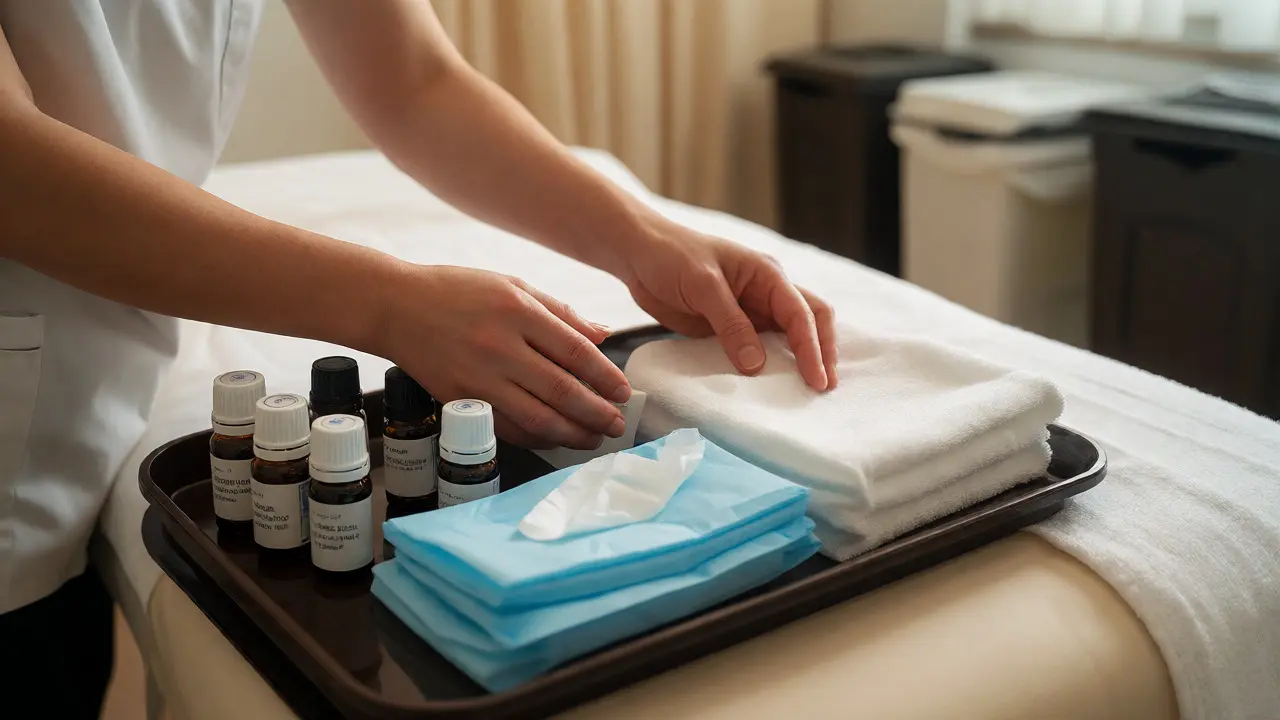
Your manual needs to be detailed. Vague descriptions like "we provide relaxing massages" won’t cut it. You need to list every single tool and material you use. Are you using disposable sheets? What kind of oils? How do you sterilize reusable tools? Here is a breakdown of what inspectors typically look for:
- Hygiene Protocols: Detailed steps for cleaning tables, floors, and bathrooms between clients.
- Equipment List: Specify whether items are single-use or reusable. If reusable, describe the disinfection method.
- Service Description: Clearly define the scope of tantra massage techniques used, emphasizing therapeutic aspects like energy work and breathing exercises.
- Staff Qualifications: Proof that therapists hold recognized certifications.
A crucial tip here: contact your local branch of the Public Health Authority before finalizing your manual. As noted by legal experts, different regional branches may have slightly different expectations regarding the content of these manuals. Asking them directly shows professionalism and prevents costly revisions later.
Physical Space Requirements and Layout
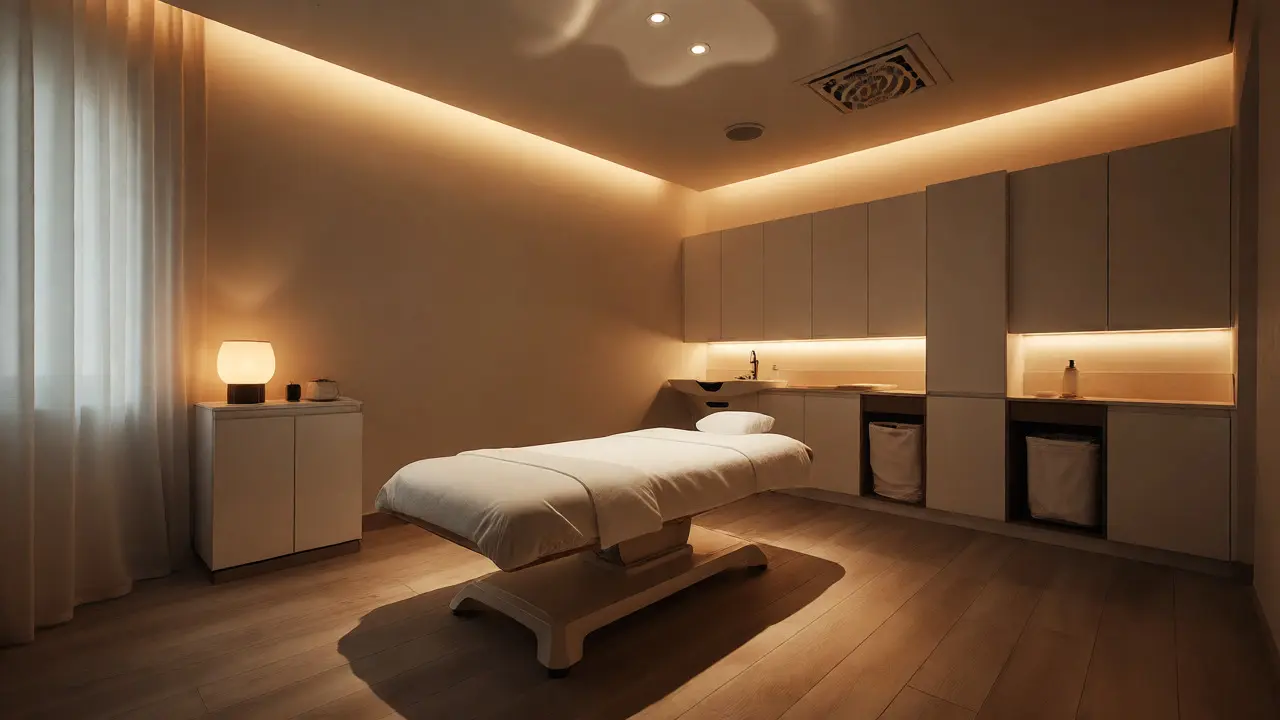
Your physical space must reflect the nature of your business. Inspectors aren’t looking for luxury; they are looking for functionality and compliance. You need to submit a floor plan, which doesn’t have to be architect-grade, but it must clearly show the layout. Where is the waiting area? Where is the treatment room? Where is the staff restroom?
For tantra salons, privacy is paramount, but so is visibility for safety. The layout should allow for easy monitoring while maintaining client dignity. Ensure that your treatment rooms meet minimum square footage requirements set by local health codes. Ventilation is another big one. Since you’ll be using oils and possibly incense, proper air circulation is mandatory to prevent humidity buildup and maintain air quality.
| Requirement | Standard Expectation | Tantra-Specific Consideration |
|---|---|---|
| Washbasin Access | One per two treatment rooms | Easily accessible for handwashing before and after sessions |
| Flooring | Water-resistant, easy to clean | Non-slip surfaces due to potential oil spills |
| Lighting | Adjustable intensity | Dimmable options to create ambiance without compromising hygiene checks |
| Storage | Closed cabinets for linens | Separate storage for clean vs. dirty laundry to prevent cross-contamination |
Navigating the Bureaucratic Maze
Once your documents are ready, the real work begins. You will likely need to visit multiple offices. Start with the Trade Licensing Office to register your business activity. Make sure you select the correct trade category. In many jurisdictions, this falls under "health care services" or "other personal service activities." Choosing the wrong code can trigger unnecessary inspections.
Next, submit your Operational Manual to the Public Health Authority. They will review it and issue a statement. Simultaneously, invite the Fire Department for an inspection. They will check fire extinguishers, emergency exits, and electrical safety. Don’t ignore this step; fire safety violations are among the most common reasons for delayed openings.
Finally, go to the Building Office. If you made any changes to the property, you need their sign-off. Bring copies of all previous approvals. The sequence matters. Usually, you cannot get the final building approval without the positive statements from health and fire authorities. Plan for at least four to six weeks for this entire process, though it can take longer if there are misunderstandings about your service type.

Proving Legitimacy: The Human Factor
Beyond the paper trail, you need to convince officials that your business is professional. This is where your staff qualifications come into play. Your therapists should have accredited training. While general massage certification is good, specialized tantra training adds credibility. Keep certificates on file and be prepared to present them during inspections.
Client consent forms are another vital layer of protection. Every client should sign a form acknowledging the nature of the service and any health risks. This document serves dual purposes: it protects you legally and demonstrates to inspectors that you operate with transparency and care. It explicitly states that the service is therapeutic, helping to dispel any assumptions about illicit activities.
Remember, the goal is to build trust. When an inspector sees a well-organized manual, clean facilities, and qualified staff, they are more likely to approve quickly. Treat the inspection as a partnership, not an interrogation. Be polite, be prepared, and answer questions clearly.
Common Pitfalls and How to Avoid Them
Many new owners stumble on small details. One frequent mistake is underestimating the importance of waste disposal. Used towels and disposable items must be handled according to medical waste guidelines. Another pitfall is poor communication with neighbors. If your salon is in a residential area, noise complaints can lead to stricter scrutiny. Keep the entrance discreet and manage foot traffic efficiently.
Also, don’t neglect ongoing compliance. Approval isn’t the end; it’s the beginning. Regular self-audits of your hygiene practices and record-keeping will keep you safe during random spot checks. Stay updated on any changes in local regulations, especially those affecting wellness businesses.
Is a full building approval always required for a massage room?
Not always. If you are operating in an existing commercial space with the correct zoning and making no structural changes, you may only need a change-of-use notification and positive statements from health and fire authorities. However, if you install new partitions or modify plumbing/electrical systems, full building approval is typically mandatory.
What specific hygiene standards apply to tantra massage rooms?
Standards include having a dedicated washbasin in or near treatment rooms, water-resistant flooring, proper ventilation, and strict protocols for laundering linens. All tools must be either disposable or properly sterilized between uses. The Operational Manual must detail these procedures clearly for the Public Health Authority.
Do therapists need special certification for tantra massage?
While basic massage certification is often required by law, specialized tantra training enhances credibility. Authorities may request proof of training to verify that the service is delivered professionally. Accredited courses in holistic therapies or specific tantra methodologies are recommended to support your business case.
How long does the approval process usually take?
Typically, expect four to eight weeks. This includes time for document preparation, submissions to various agencies, inspections, and receiving official statements. Delays often occur if documents are incomplete or if there are discrepancies in the service description.
Can I operate without a signed client consent form?
Technically, you might physically operate, but it is highly risky. Consent forms protect you from liability and serve as evidence of your professional approach during inspections. They clarify the therapeutic nature of the service, which is crucial for distinguishing legitimate wellness businesses from others.