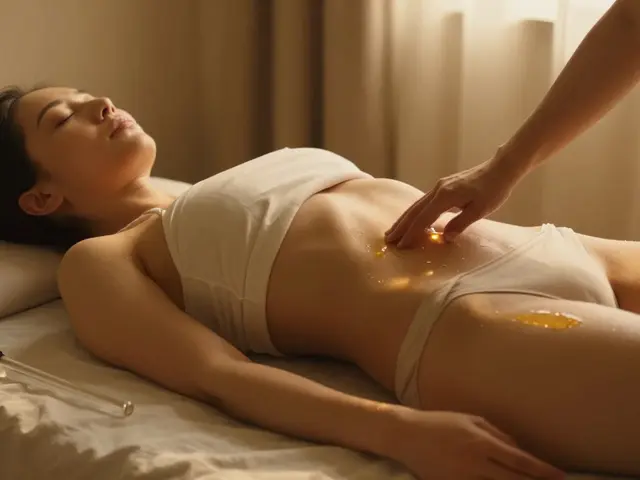
Opening a massage business in the Czech Republic is more than just buying tables and booking clients. It is a legal process that requires strict adherence to hygiene laws designed to protect public health. Many new entrepreneurs underestimate this step, leading to costly delays or even immediate closure by inspectors. If you are planning to start a massage salon, understanding these rules before you sign a lease is your best insurance policy.
The core of these regulations lies in Decree No. 137/2004 Coll., which classifies body care services as "epidemiologically significant activities." This means the state treats your salon with the same seriousness as a hairdresser or nail studio. The goal is simple: prevent the spread of infectious diseases between clients and staff. Failing to comply can result in fines up to 500,000 CZK under Act No. 258/2000 Coll. on Public Health Protection.
| Authority | Role in Approval Process | Typical Requirement |
|---|---|---|
| Regional Public Health Authority (KHS) | Primary regulator for hygiene and infection control | Approval of Operating Procedures, inspection of premises |
| Building Office (Stavební úřad) | Ensures structural safety and proper use of space | Colaudation decision or change of use permit |
| Fire Department (Hasiči) | Verifies fire safety compliance | Fire safety opinion/certificate |
Preparing Your Premises: Space and Water
Your physical space must meet specific technical standards before you can even think about marketing. The Regional Public Health Authority (KHS) will inspect your layout to ensure it separates clean and dirty zones effectively. You cannot store used linens next to fresh ones. There must be a clear path for waste removal that does not cross paths with client areas.
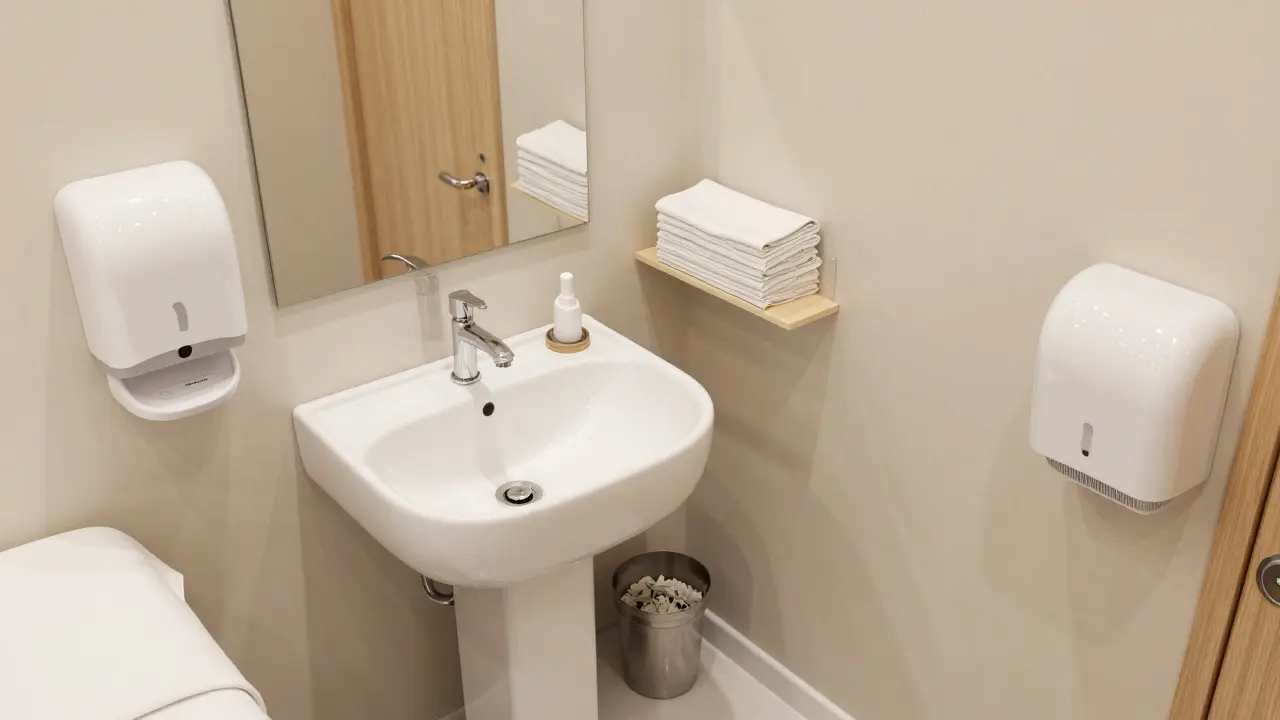
Water access is non-negotiable. According to Government Decree No. 361/2007 Coll., every workplace where massage is performed must have running potable water, both cold and hot. A sink for handwashing must be located directly within the treatment room or immediately adjacent to it. Hand dryers are preferred over shared towels to reduce contamination risk. If your current lease doesn't include a bathroom with these features, do not sign it. Retrofitting plumbing is expensive and time-consuming.
Ventilation is another critical factor. Stale air increases the risk of airborne transmission. Your ventilation system must provide adequate air exchange rates. During inspections, KHS officials check if windows can be opened or if mechanical ventilation meets health standards. Poor ventilation is a common reason for failed inspections.
The Operating Procedure: Your Legal Shield
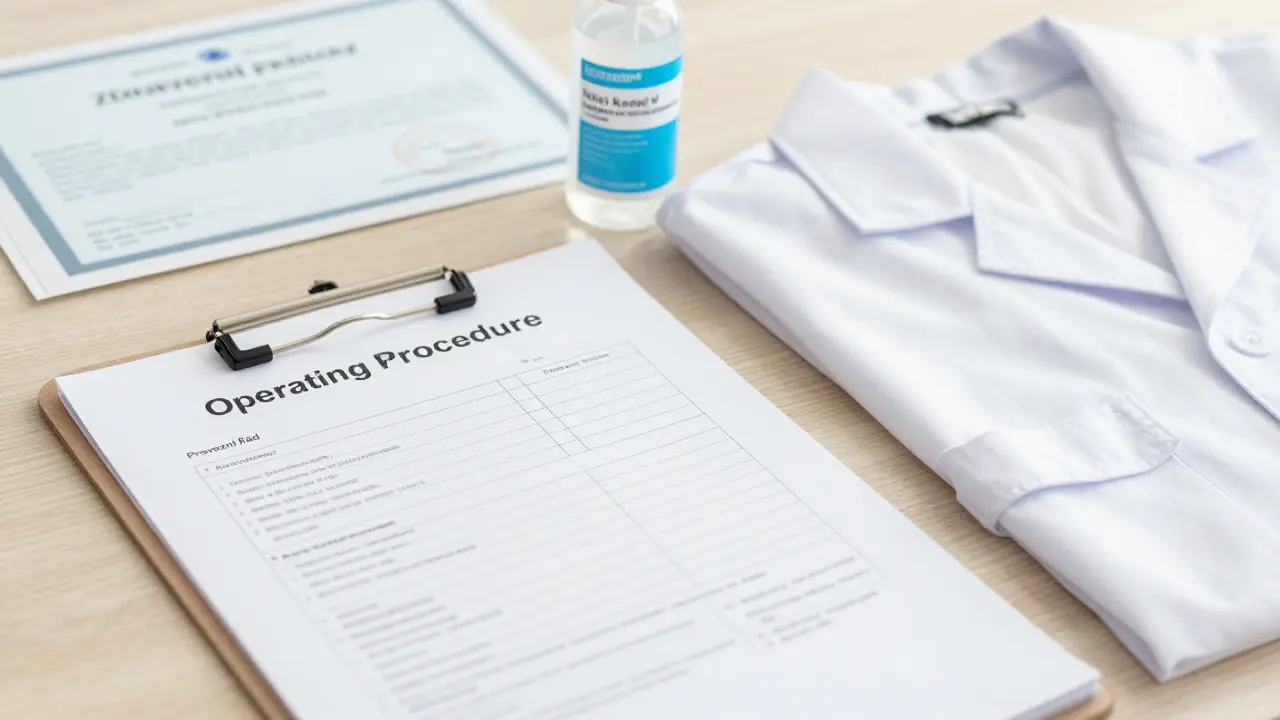
The Operating Procedure (Provozní řád) is the most important document you will create. It is not a generic template; it must be tailored to your specific business and approved by your local KHS branch. Each region may have slight variations in requirements, so consulting your local office early is crucial.
This document must detail:
- Basic information about the facility, owner, and services offered.
- Rules for preventing infectious diseases.
- Specific disinfection and sterilization protocols for tools and surfaces.
- Personal hygiene standards for all employees.
- Procedures for handling laundry and waste.
Cleaning schedules must be explicit. For example, cleaning should occur immediately after any spill or contamination, and at least once daily using wet methods. Sanitary facilities require disinfectant agents during cleaning. Keep records of these activities. Inspectors often ask for logs showing when and how surfaces were disinfected.
Staff Requirements: Education and Health
You cannot hire just anyone to give massages. Staff must hold valid qualifications, such as completion of a retraining course or graduation from a secondary vocational school (SOU/SOŠ). More importantly, every employee needs a valid Health Certificate (Zdravotní průkaz). This certificate confirms they are free from infectious diseases that could be transmitted through skin contact.
Personal hygiene extends beyond health certificates. Staff uniforms should be light-colored, preferably white, to show cleanliness. Clothes must be changed regularly. Before each session, therapists must wash their hands thoroughly. Clients should also shower with warm water and soap before treatment to remove surface dirt and improve blood circulation, enhancing the massage effect.
Legal Boundaries: What You Can and Cannot Do
A critical distinction exists between wellness massage and medical therapy. In the Czech Republic, offering treatments that claim to cure illnesses or using terms like "therapy" or "treatment" without medical licensing violates Act No. 96/2004 Coll. Stick to descriptive names like "relaxation massage" or "sports massage." Avoid implying medical benefits.
If your service involves breaking the skin-such as certain types of pedicures or cupping that causes bleeding-sterilization of instruments is mandatory under § 51(i) of Decree No. 137/2004 Coll. Standard disinfection is insufficient for invasive procedures. For typical Swedish or deep tissue massages where the skin remains intact, high-level disinfection of surfaces and tools is sufficient.

The Approval Timeline and Costs
Expect the approval process to take two to three months. Start by consulting your local KHS before finalizing your interior design. Changes made after submission can be costly. Common mistakes include inaccurate floor plans, missing technical details, or incomplete operating procedures.
Hiring a consultant specializing in hygiene regulations costs between 5,000 and 10,000 CZK. While this seems like an extra expense, it is far cheaper than failing colaudation and having to redo construction work. According to data from 2022, nearly 38% of inspected salons had deficiencies, mostly due to poor documentation or inadequate disinfection practices.
Future Changes and Trends
The regulatory landscape is evolving. Discussions are underway to revise Decree No. 137/2004 Coll. to simplify processes for small businesses. A unified approach across all KHS branches is expected, potentially reducing approval times by 30-40%. However, post-pandemic trends suggest stricter documentation requirements for disinfection logs. Be prepared to record exact times, product types, and quantities used for every cleaning session.
How long does it take to get KHS approval for a massage salon?
The process typically takes 2 to 3 months. This includes preparing documents, submitting them to the Building Office and KHS, and undergoing inspections. Starting early and hiring a consultant can help avoid delays.
Do I need a doctor's license to offer therapeutic massage?
Yes. If you use terms like "therapy" or claim to treat medical conditions, you need a medical license. For general wellness or relaxation massages, standard hygiene permits and vocational training are sufficient.
What happens if my salon fails the hygiene inspection?
You may receive a warning with a deadline to fix issues. Severe violations can lead to immediate closure and fines up to 500,000 CZK. Repeated failures can result in permanent revocation of your operating permit.
Can I operate a mobile massage service?
Yes, but your Operating Procedure must be approved based on your registered business address, not the client's location. You still need to follow all hygiene rules regarding equipment disinfection and personal health certificates.
Is sterilization required for all massage tools?
Only if the tool breaks the skin. For standard massages, high-level disinfection is enough. Sterilization is mandatory for invasive procedures like certain pedicures or acupuncture.