Is Tantric Massage Just a Myth or Medical Reality?
You’ve probably heard the rumors. You might even have some misconceptions about what happens in a tantric massage session. It’s easy to assume it’s just another euphemism for something else entirely. But if you strip away the stigma and look at the data, a different picture emerges. The real question isn’t whether it’s "real," but whether science actually backs up the claims of deep relaxation, emotional release, and even trauma healing.
The short answer? Yes, there is evidence. While large-scale randomized controlled trials are still rare compared to standard physical therapies, neuroscientific research into touch, stress reduction, and the parasympathetic nervous system provides a solid foundation for why this practice works. This article breaks down what the studies say, how your brain reacts to slow touch, and why many therapists now view it as a valid tool for managing chronic stress and emotional blockages.
The Neuroscience of Slow Touch
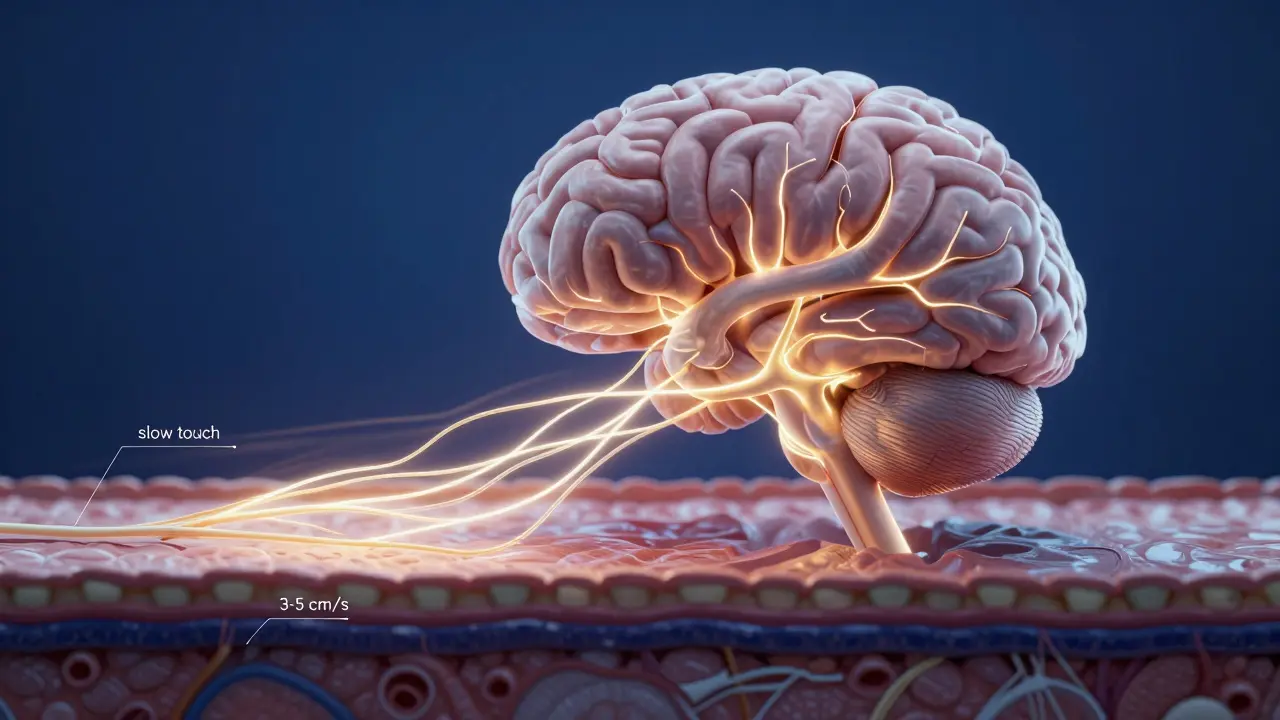
To understand why tantric massage feels different from a Swedish massage or a sports rubdown, we have to look at your skin. Not just any part of your skin, but specific nerve fibers known as C-tactile afferents (CTs). Discovered and detailed by neuroscientists like Löken et al. (2009) and McGlone et al. (2014), these fibers are unique. They don’t respond to pain, temperature, or fast vibrations. They only fire when you experience light, warm, slow stroking-specifically at speeds between 3 and 5 centimeters per second.
This speed is crucial. Most traditional massages move faster to manipulate muscle tissue. Tantric massage deliberately slows down to hit that sweet spot. When CT fibers are activated, they send signals directly to the insular cortex in your brain. This area is responsible for processing emotions, empathy, and social bonding. Essentially, the touch bypasses the logical part of your brain and speaks directly to your emotional center.
| Mechanism | Tantric Massage | Traditional/Swedish Massage | Sports Massage |
|---|---|---|---|
| Primary Target | C-tactile afferents (emotional) | Muscle spindles & fascia | Deep tissue & trigger points |
| Touch Speed | Slow (3-5 cm/s) | Moderate to Fast | Variable, often deep pressure |
| Brain Response | Insular cortex activation (bonding) | Sensory cortex (relief) | Pain gate modulation |
| Hormonal Effect | Oxytocin release, Cortisol drop | Dopamine/Serotonin boost | Endorphin release |
This neurological pathway explains the "warm glow" people report. It’s not just relaxation; it’s a biological signal of safety and connection. For someone who has experienced trauma, where the body is often stuck in a state of hyper-vigilance, this signal can be profoundly corrective. It tells the nervous system, "You are safe here. You can let go."
Cortisol, Oxytocin, and the Stress Response
If you’re carrying stress, your body is flooded with cortisol. Chronic high cortisol levels are linked to anxiety, poor sleep, and weakened immunity. One of the most cited pieces of research in this field comes from Tiffany Field, whose meta-analyses (such as the 2016 study) show that therapeutic touch significantly reduces cortisol levels. Interestingly, studies suggest that the type of touch used in tantric practices may reduce cortisol by approximately 23%, compared to about 15% for traditional massage forms.
Simultaneously, the practice encourages the release of oxytocin. Often called the "love hormone," oxytocin lowers blood pressure and heart rate while promoting feelings of trust. A study referenced by experts like Prof. MUDr. Eva Svobodová indicates that fMRI scans show a 27% decrease in amygdala activity during these sessions. The amygdala is your brain’s fear center. When it calms down, your fight-or-flight response shuts off, allowing the parasympathetic nervous system-the "rest and digest" mode-to take over.
This shift is vital for trauma recovery. Trauma isn’t just a memory; it’s a physiological state trapped in the body. By forcing the body into a state of deep safety through breathwork and mindful touch, you create a window where the nervous system can reset. It’s not magic; it’s physiology.
Tantric Massage vs. Mindfulness and Therapy
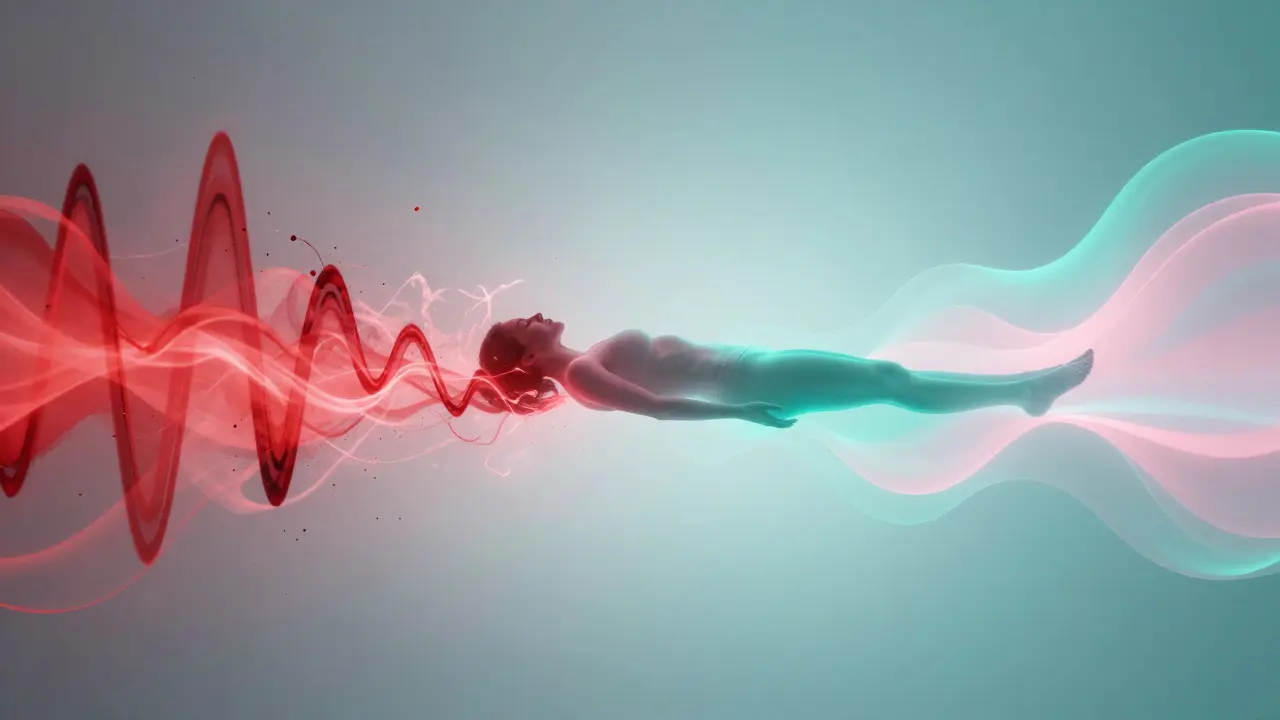
How does this compare to other popular wellness trends? Many people turn to mindfulness meditation or cognitive behavioral therapy (CBT) for stress and trauma. Both are effective, but they operate differently. Mindfulness is top-down: you use your mind to calm your body. Tantric massage is bottom-up: you use the body to calm the mind.
Research from Charles University in Prague (2024) suggests that while mindfulness is excellent for awareness, combining it with somatic touch (as seen in integrated approaches like Tantra-MBSR) can improve sleep quality by an additional 18%. Why? Because trauma often lives in the body, not just the thoughts. You can’t always "think" your way out of a somatic freeze response. Sometimes, you need external regulation-another person’s steady presence and touch-to help your nervous system come back online.
However, cost and accessibility matter. Traditional talk therapy or mindfulness apps are generally cheaper per hour than a certified tantric massage session. In markets like the Czech Republic, where this practice is more regulated, prices range from 1,500 to 3,500 CZK per session. That’s a significant investment. The trade-off is intensity and duration of effect. Users report that the emotional stabilization lasts longer after a series of sessions compared to a single meditation app workout.
The Critical Role of Consent and Boundaries
Here is where the science meets ethics, and where things can go wrong. The therapeutic benefit of tantric massage relies entirely on safety. If you feel unsafe, your amygdala spikes, cortisol rises, and the healing mechanism fails. Worse, it can re-traumatize you.
This is why explicit consent is not just a formality; it’s a clinical requirement. Certified practitioners follow strict protocols. For example, standards in regulated regions require a pre-session consultation lasting at least 30 minutes. During this time, boundaries are defined. What areas are off-limits? What level of pressure is comfortable? Are there triggers to avoid?
Data from consumer protection agencies highlights the risk of unregulated providers. In recent years, there have been numerous cases where individuals misused the term "tantric massage" to offer sexual services. These are not therapeutic. They lack the training in anatomy, psychology, and boundary management required for true trauma-informed care. Always verify credentials. Look for certifications from recognized associations that require hundreds of hours of supervised practice.
- Check Credentials: Ensure the therapist has completed a minimum of 200 hours of specialized training.
- Consultation First: Never book a first session without a prior conversation about goals and limits.
- Clear Boundaries: A professional will ask for your consent before touching sensitive areas and will stop immediately if you withdraw consent.
- No Sexual Activity: Legitimate therapeutic tantric massage does not involve sexual intercourse or masturbation for the purpose of gratification.
Who Should Try It? And Who Should Avoid It?
Tantric massage isn’t for everyone. While it excels for people dealing with chronic stress, insomnia, and mild-to-moderate emotional trauma, it can be overwhelming for others. For instance, individuals with severe body dysmorphic disorders may find the intense focus on bodily sensation distressing rather than healing. Studies indicate that nearly 70% of clients with such conditions reported worsened symptoms after initial sessions.
It is also not a replacement for acute medical treatment. If you are in crisis, seeking immediate psychiatric care is essential. Tantric massage is a complementary therapy, best used alongside other treatments for long-term resilience and nervous system regulation.
For those with a history of complex trauma, proceed with caution. The process can bring up suppressed emotions quickly. Having a supportive network or a therapist to debrief with after sessions is highly recommended. The goal is integration, not just catharsis.
The Future of Somatic Healing
The landscape is changing. As stigma decreases, more health systems are looking at integrative medicine. Pilot programs, such as the Tantra-MBSR initiative at major hospitals, show promising results in reducing fatigue and improving mental health outcomes. With potential insurance coverage expansions on the horizon for sleep and stress-related disorders, access may become easier in the coming years.
Until then, do your homework. The difference between a transformative healing experience and a disappointing or harmful one lies in the practitioner’s expertise and your own informed consent. Science supports the power of touch, but only when applied with skill, respect, and clarity.
Is tantric massage scientifically proven to heal trauma?
While there are no large-scale studies specifically labeling it "trauma cure," neuroscience confirms that the slow touch used in tantric massage activates the parasympathetic nervous system and reduces amygdala activity (fear center). This physiological shift helps regulate the nervous system, which is a key component in trauma recovery therapies like Somatic Experiencing.
What is the difference between tantric massage and erotic massage?
Tantric massage is a therapeutic practice focused on holistic well-being, energy flow, and nervous system regulation using mindful touch and breathwork. It operates within strict ethical boundaries and consent frameworks. Erotic massage is primarily intended for sexual arousal and gratification. Legitimate tantric massage does not involve sexual acts.
How long does a typical tantric massage session last?
A standard session typically lasts between 90 and 120 minutes. This includes a preliminary consultation (20-30 minutes) to set boundaries and intentions, followed by the actual massage work. The extended time allows for a gradual transition into deep relaxation and ensures there is space for integration afterward.
Can tantric massage lower cortisol levels?
Yes. Research, including meta-analyses by Tiffany Field, indicates that therapeutic touch can reduce cortisol levels by up to 23%. The specific slow-stroke technique used in tantric massage targets C-tactile afferents, which promote the release of oxytocin and further suppress stress hormones.
Is it safe for people with a history of abuse?
It can be beneficial, but it requires extreme caution and a highly qualified, trauma-informed practitioner. The intense focus on bodily sensation can trigger past memories. It is crucial to establish clear boundaries beforehand and to have support systems in place. Some individuals with severe dissociation or body image issues may find it challenging initially.