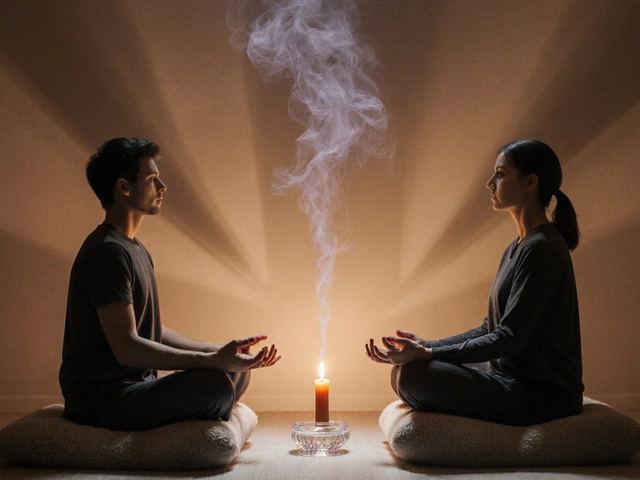
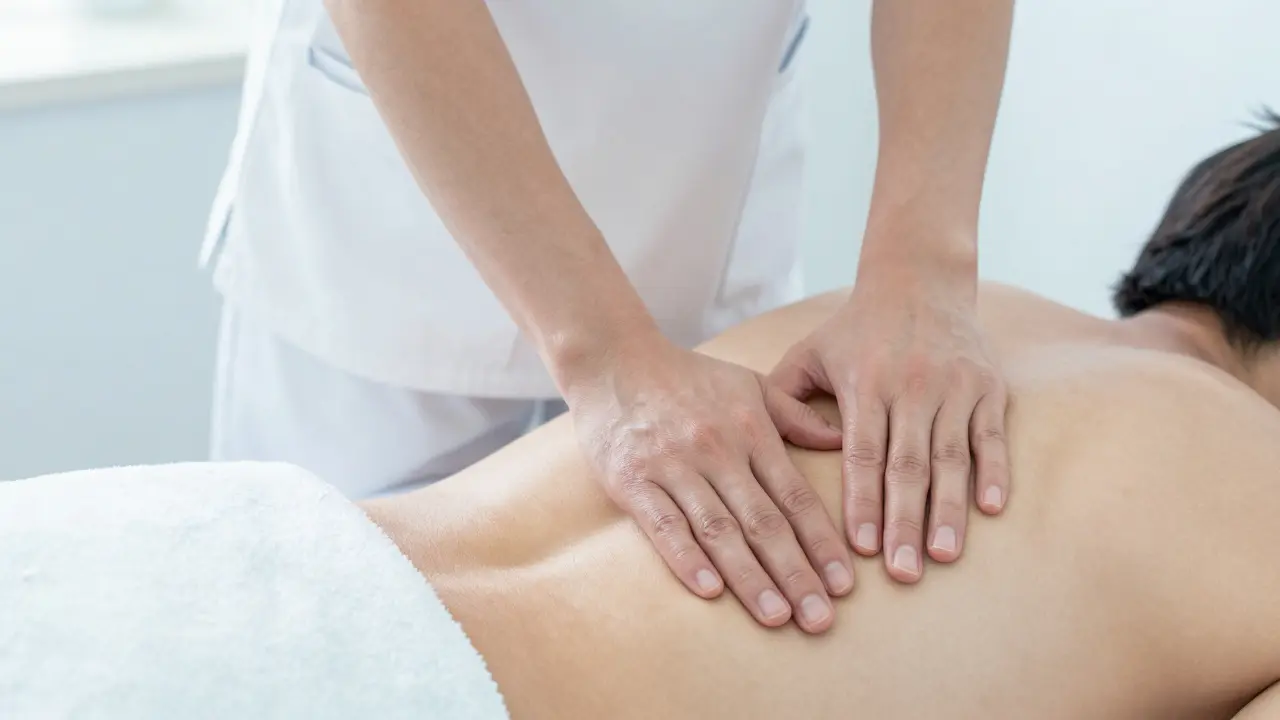
Walking into a massage clinic can be confusing when you're staring at a menu that ranges from clinical recovery to spiritual awakening. You might be nursing a stiff lower back from a gym injury, or perhaps you're feeling completely burnt out by a high-stress job and need a total mental reset. While both fall under the umbrella of "bodywork," Rehabilitative Massage is a medical-grade tool focused on physical recovery and injury repair , whereas Tantric Massage is a holistic practice designed to harmonize the body's energy and spirit . Choosing the wrong one won't necessarily hurt you, but it might leave you feeling like you went to the wrong appointment entirely.
| Feature | Rehabilitative Massage | Tantric Massage |
|---|---|---|
| Primary Goal | Physical Healing & Recovery | Energetic Harmony & Spiritual Growth |
| Muscle Tension Release | High / Targeted | Medium / General |
| Stress Reduction | Medium | High |
| Emotional Processing | Low | High |
| Spiritual Dimension | None | High |
Focusing on the Physical: The Role of Rehabilitative Massage
If your goal is to get back to your daily routine after a sprain, surgery, or a chronic condition, you want a clinical approach. This type of bodywork isn't about luxury; it's a practical necessity for those dealing with physical limitations. The focus here is purely biological-improving circulation, reducing inflammation, and restoring the range of motion in a specific joint or muscle group.
Unlike general relaxation massages, this approach is usually guided by medical recommendations. A therapist will target a specific injury, using techniques to break down scar tissue or realign muscle fibers. There is no spiritual component here; the "success" of the session is measured by whether you can lift your arm higher or walk with less pain. It is a straightforward, results-driven process that fits perfectly within the traditional healthcare system.
The Spiritual Journey: What Really Happens in Tantric Massage
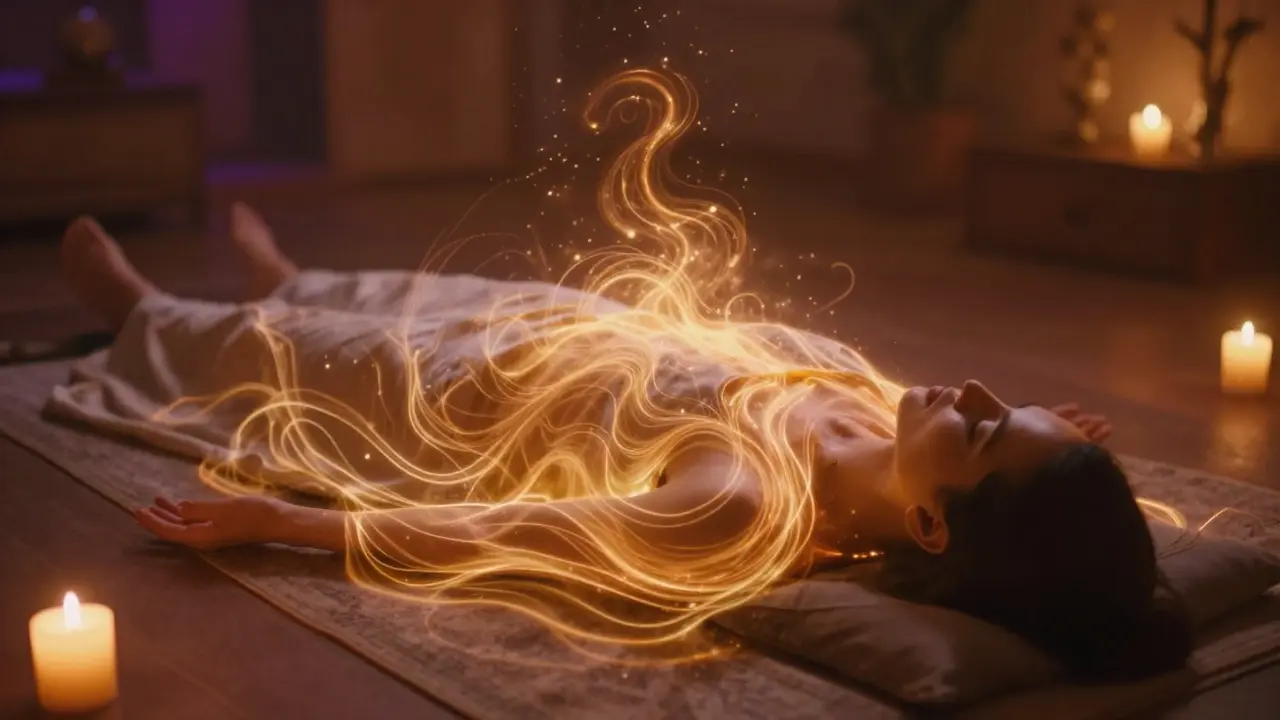
On the opposite end of the spectrum, Tantric Massage isn't about fixing a broken muscle-it's about waking up the body. Rooted in Tibetan Buddhism and Hinduism , this practice treats the body as a map of energy. The intent is to move beyond simple muscle relaxation and reach a state of deep spiritual and emotional awareness.
A session often begins with grounding strokes to quiet the mind. From there, it evolves into a full-body experience using warm oils, focusing on the flow of internal energy. A key element that separates this from traditional styles is the inclusion of the entire person, including their sexuality. Techniques like Yoni healing (vaginal mapping) or Lingam healing (penis mapping) are used to release traumas stored in the pelvic region, allowing sexual energy to flow freely again. It's less of a "treatment" and more of a ritual for self-acceptance.
Breaking the Myths: Tantra vs. Erotic Massage
There's a common misconception that Tantra is just a fancy word for an erotic service. While the physical actions might look similar to an untrained eye, the rehabilitative massage approach to health is focused on the bone and muscle, while the Tantric approach is focused on the soul and energy. The difference between Tantric and erotic massage lies entirely in the intent.
Erotic massage is generally about stimulation and a specific physical climax. Tantric massage, however, is about sensitization. The goal isn't just a "peak," but an expansion of the entire experience. It encourages you to feel every inch of your skin and breathe through the sensations, often leading to a profound sense of peace and emotional release. This is why some people find themselves crying or feeling an intense surge of emotion during a session-they are finally processing blocks that have been stored in their tissues for years.
Which One Should You Choose?
Deciding between these two depends on what you are actually trying to solve. If you have a diagnosed physical injury or are recovering from a sports accident, a rehabilitative session is the only logical choice. You need a specialist who understands anatomy and pathology to ensure you don't aggravate your condition.
However, if you feel "stuck" in life, struggle with intimacy, or feel a disconnect between your mind and your body, Tantra offers a path to transformation. It's ideal for people who want to overcome performance pressure or shame regarding their bodies. While a physical therapist helps you walk again, a Tantric practitioner helps you feel alive again. For the best results, many people actually combine both: using clinical massage to fix the physical "glitches" first, and then using Tantra to explore their emotional and energetic potential.

Practical Steps for Your First Session
If you've never tried these before, the preparation is different for each. For a rehabilitative session, bring your medical reports and a list of your symptoms. Be prepared for some discomfort, as deep tissue work on an injury can be intense.
For a Tantric experience, the mental preparation is more important. You need to be open to your boundaries and mindful of your breath. Since it's an intuitive process, the therapist will rely heavily on your reactions. It's a collaborative dance where you communicate your needs, and the therapist helps you navigate your sensory responses. Make sure you choose a practitioner who emphasizes safety and clear boundaries to ensure the experience remains therapeutic and respectful.
Can I get a Tantric massage if I have a physical injury?
While you can, it's generally better to handle the acute injury with a rehabilitative massage first. Tantric massage involves full-body movements and energy work that may not be targeted enough to fix a specific injury and could potentially irritate an inflamed area if the therapist isn't specifically trained in medical rehabilitation.
Does Tantric massage always include intimate zones?
In its most complete form, yes, because the philosophy is to embrace the whole human being. However, most reputable practitioners will discuss boundaries with you beforehand. You can decide what is off-limits, but the core idea is to remove the shame associated with these areas.
How often should I get a rehabilitative massage?
This depends entirely on your doctor's advice and the severity of your injury. Some people need weekly sessions during the acute phase of recovery, while others only need a few "maintenance" sessions to ensure a joint has regained full mobility.
Will a Tantric massage help my chronic back pain?
It might help by reducing general stress and relaxing muscles, but it is not a substitute for medical treatment. If your back pain is caused by a herniated disc or structural issue, a rehabilitative massage is the correct tool to address the root cause.
Is it normal to feel emotional after a Tantric session?
Absolutely. Because Tantra works with energy and the nervous system, it often unblocks suppressed emotions. Crying, laughing, or feeling a sudden sense of grief or joy is a common part of the emotional detox process.
Next Steps and Troubleshooting
If you're still unsure, start by asking yourself: "Is my problem located in my muscle/bone, or is it located in my mood/energy?"
- Scenario A: I can't rotate my shoulder after a fall. $ ightarrow$ Action: Book a rehabilitative massage with a licensed physical therapist.
- Scenario B: I feel numb, disconnected from my partner, and stressed. $ ightarrow$ Action: Look for a certified Tantra practitioner.
- Scenario C: I have both physical pain and emotional burnout. $ ightarrow$ Action: Start with rehabilitative work to stabilize your body, then transition into Tantra for a full systemic restart.