Imagine lying on a warm table, eyes closed, feeling the steady rhythm of your own breath. Suddenly, you let out a low hum that vibrates through your chest. It feels strange at first, but then something shifts. The tension in your shoulders drops. Your mind goes quiet. This is not just imagination; it is a core part of modern Tantric Massage a therapeutic practice combining touch with vocal and sonic vibrations to release deep emotional blocks. While many people associate this technique only with slow, sensual touch, the role of Sound Therapy the use of specific frequencies and vocalizations to influence physical and mental states is what separates it from a standard spa treatment. By integrating voice, sighs, and external instruments, practitioners aim to access layers of relaxation that pure touch cannot reach.
Why Voice Matters in Touch Work
We often think of massage as something done to us. We lie there, passive, while the therapist works on our muscles. But in tantric practice, the client’s voice is an active tool. When you sigh or hum, you are creating internal vibrations. These vibrations interact with the body’s tissues, helping to loosen tight spots that might be holding onto old stress or trauma. Think of your body like a complex instrument. If one string is too tight, it affects the whole melody. A deep sigh acts like a retuning mechanism, allowing energy to flow more freely.
This approach draws from ancient traditions where sound was considered a primary force for transformation. In Tibetan and Hindu practices, chanting and toning were used to align consciousness. Today, Western therapists blend these ideas with modern understanding of how the nervous system responds to rhythm and vibration. The goal isn’t just to make noise; it’s to use that noise as a bridge between your conscious thoughts and your deeper, intuitive self. When you allow yourself to make sounds without judgment, you bypass the mental critic that usually keeps you tense.
The Role of Sighs and Breath Sounds
Sighing is one of the most natural ways we release pressure, yet we rarely do it intentionally during a massage. In this context, guided sighs become a powerful technique. A long, audible exhale signals to your parasympathetic nervous system that it is safe to relax. This triggers a cascade of physiological changes: heart rate slows, blood pressure drops, and muscle tension releases.
- Deep Exhalations: Encouraging clients to breathe out longer than they breathe in helps shift the body into a rest-and-digest state.
- Vocalized Breaths: Adding a soft 'ah' or 'oh' sound creates resonance in the throat and chest, areas often associated with suppressed emotions.
- Rhythmic Syncing: The therapist may match their movements to the client’s breath, using the sound as a cue for when to apply pressure or move to a new area.
For beginners, making these sounds can feel awkward. You might worry about sounding silly or disturbing others. However, once you get past that initial hesitation, the feedback loop is immediate. The sound tells your brain you are letting go, and the letting go makes the sound easier to produce. It is a cycle that deepens with each session.
External Instruments: Bells and Bowls
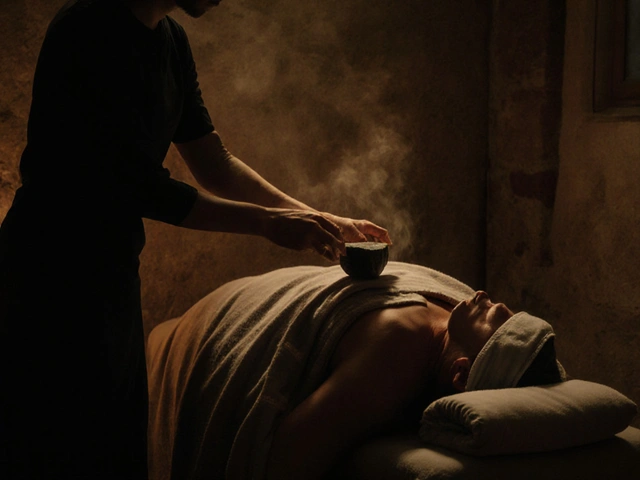
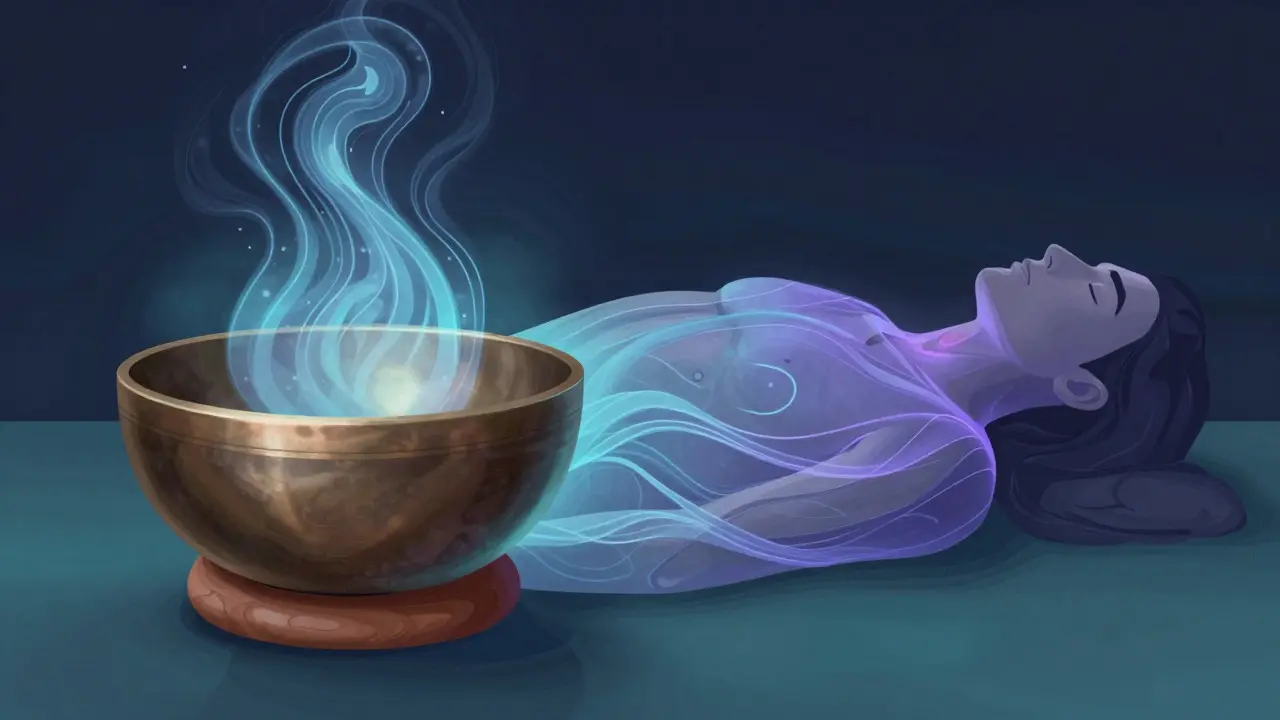
While your own voice is central, external tools add another layer of depth. Tibetan Singing Bowls metallic bowls struck or rubbed to produce resonant frequencies used in meditation and healing are perhaps the most common addition. When placed near the body or struck nearby, their sustained tones create a 'sound bath.' This external vibration complements your internal humming, creating a harmonious environment for deep relaxation.
Other instruments, such as chimes, drums, or even specially curated music tracks, serve similar purposes. The key is consistency and intention. Random noise distracts; structured sound guides. Therapists often select instruments based on the client’s needs. For someone struggling with anxiety, lower, steadier frequencies might be calming. For someone feeling stagnant, brighter, sharper tones might help stimulate energy flow. The choice is not arbitrary; it is part of a personalized therapeutic strategy.
Targeting the Throat Chakra
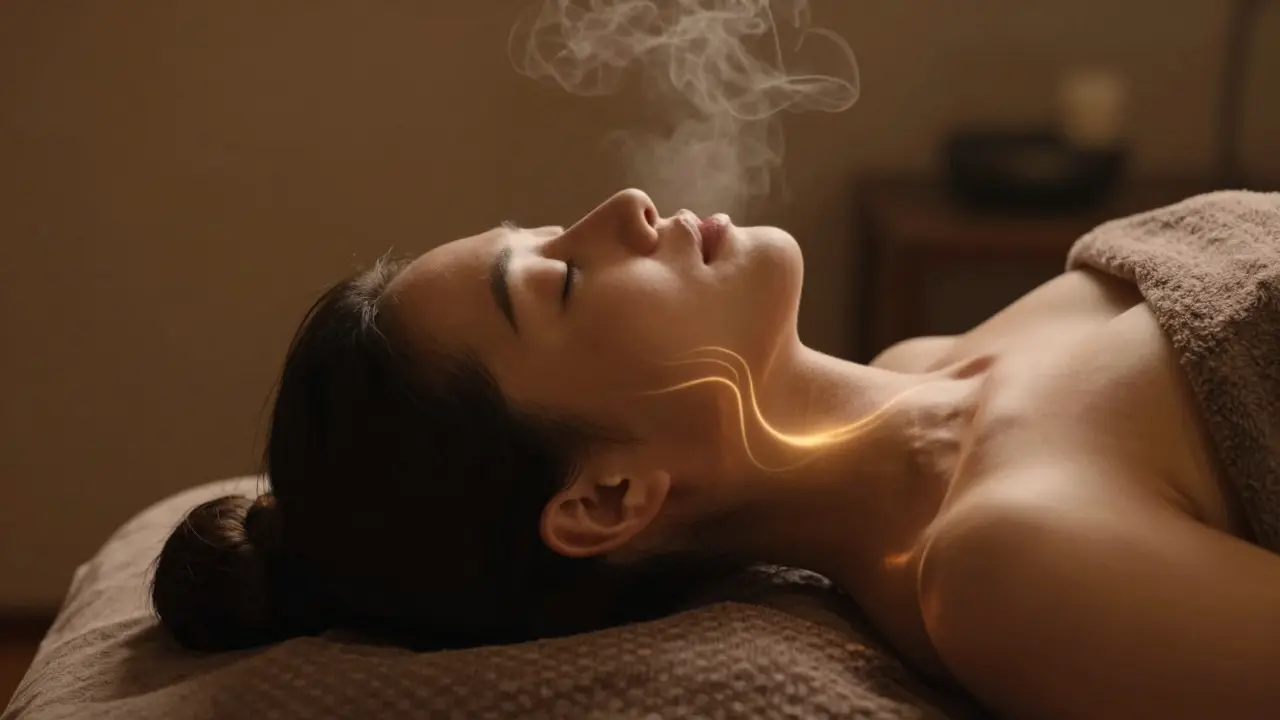
In traditional tantric frameworks, different parts of the body correspond to energy centers, or chakras. The fifth chakra, known as Vishuddha, is located in the throat. It is associated with expression, truth, and communication. Many people carry blockages here, manifesting as difficulty speaking up, fear of judgment, or chronic tension in the neck and jaw.
Working with sound directly targets this area. By focusing on vocal toning and throat vibrations, the massage helps 'unstick' these energies. It is less about massaging the muscles of the neck and more about using sound to open the channel of expression. Clients often report feeling a sense of clarity after sessions focused on this area, as if a weight has been lifted from their ability to communicate. This connection between physical touch and vocal release is unique to tantric approaches and offers a holistic way to address both physical pain and emotional suppression.
What to Expect During a Session
If you have never tried a massage involving sound, you might wonder what the experience actually looks like. Here is a typical flow:
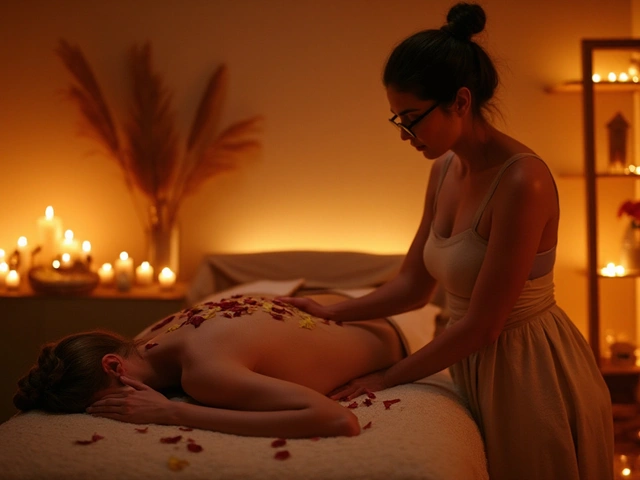
- Preparation: The room is set for silence and comfort. Lighting is dim, and temperature is warm. You may be asked to lie down fully clothed or undressed, depending on the practitioner’s style and your preference.
- Guided Entry: The therapist will guide you into a relaxed state, possibly using gentle music or a single bowl tone to start.
- Vocal Integration: As the touch begins, you will be invited to follow your breath. You might hear cues like "let the sound come" or "breathe into the hum."
- Instrument Use: At certain points, the therapist may strike a bowl or ring a chime. You don’t need to react to these; just let them wash over you.
- Closing: The session ends with a period of stillness, allowing the effects of the sound and touch to settle before you sit up.
It is important to note that you do not need to be a singer or have any musical training. The quality of the sound matters less than the willingness to make it. Even a shaky, quiet hum is effective because it represents your permission to release control.

Benefits Beyond Physical Relaxation
The primary benefit of adding sound to tantric massage is emotional release. Standard massages relieve muscle tension, which is great for physical health. But when you combine touch with vocalization, you also access stored emotions. People often cry, laugh, or feel a surge of warmth during these sessions. These reactions are normal and indicate that deep work is happening.
Research in sound therapy suggests that regular exposure to resonant frequencies can lower cortisol levels and improve sleep quality. When applied in a tactile context, these benefits are amplified. The combination of sensory input (touch) and auditory input (sound) engages multiple parts of the brain simultaneously, leading to a more profound state of trance-like relaxation. For those dealing with chronic stress or mild anxiety, this dual approach can be significantly more effective than either method alone.
| Feature | Traditional Swedish Massage | Tantric Massage with Sound |
|---|---|---|
| Client Role | Passive recipient | Active participant (vocalizing) |
| Primary Focus | Muscle tension relief | Emotional and energetic release |
| Auditory Environment | Silence or generic background music | Guided vocalization and specific instruments |
| Typical Outcome | Physical relaxation | Physical relaxation + emotional catharsis |
| Best For | Acute muscle pain, general stress | Chronic stress, emotional blockages, deep relaxation |
Choosing the Right Practitioner
Not all massage therapists are trained in sound integration. Look for practitioners who explicitly mention Tantric Bodywork a specialized form of massage focusing on energy flow and emotional release through touch and sound or sound therapy in their credentials. Ask about their training hours specifically related to vocal and sonic techniques. A reputable therapist will explain how they use sound and what you can expect, ensuring you feel comfortable before the session begins. Trust is essential here, as you are being asked to open up vocally in front of another person.
Frequently Asked Questions
Do I have to sing well for this to work?
No. Vocal quality is irrelevant. The purpose is to create vibration and release tension. A quiet hum or a rough sigh is just as effective as a clear tone. What matters is your willingness to let the sound happen.
Is it embarrassing to make noises during a massage?
It can feel awkward at first, especially if you are new to the practice. However, therapists are experienced in guiding clients through this process. They create a safe, non-judgmental space. Most clients find that after the first few minutes, the embarrassment fades and is replaced by a sense of freedom.
How is this different from regular meditation?
Meditation is primarily an internal mental exercise. Tantric massage with sound combines external physical touch with internal vocalization. The touch grounds you in the body, while the sound opens emotional channels. It is a multi-sensory experience rather than a purely mental one.
Can I do this at home?
Yes. You can practice self-massage combined with vocalization. Lie down, close your eyes, and focus on your breath. Add a soft hum on the exhale. Use a singing bowl or play recorded tones if available. Consistency is key. Even ten minutes a day can help build familiarity with your own sound and its relaxing effects.
Are there any side effects?
The most common 'side effect' is emotional release, such as crying or feeling overwhelmed. This is generally positive and indicates deep relaxation. Physically, you might feel tired afterward, similar to after intense exercise. Drink plenty of water to help your body process the release.