You have the skills. You know how to work with energy, touch, and intention. But your potential clients are searching on their phones right now, and if they can’t find you, they won’t book you. In the world of tantric business, your website is not just a digital brochure; it is your first point of contact, your filter for the right clients, and your primary tool for building trust before anyone ever walks through your door.
Building a site for a tantric salon is different from setting up a blog or an e-commerce store for t-shirts. The stakes are higher because you are dealing with intimacy, vulnerability, and personal boundaries. Your website needs to communicate safety, professionalism, and serenity instantly. If it looks cluttered, slow, or unprofessional, visitors will bounce immediately. This guide breaks down exactly how to build a professional, converting website for your tantric practice, step by step.
1. Define Your Brand Identity Before You Build
Before you register a domain name or pick a color palette, you need to answer one question: Who are critical question: What is the core promise of your salon? Are you focused on spiritual healing and chakra balancing? Or are you offering sensual bodywork for stress relief and connection? This distinction dictates every design choice you make.
Your brand identity consists of three pillars:
- The Vibe: Is it minimalist and Zen? Warm and earthy? Modern and clinical?
- The Voice: Do you speak in gentle, poetic terms? Or do you use clear, direct language about benefits?
- The Visuals: What images convey your message without being explicit or triggering content filters?
For a tantric salon, "less is more" is the golden rule. Avoid clutter. Use ample white space (or dark space, if you prefer a night-mode aesthetic) to create a sense of calm. Choose fonts that are easy to read but elegant-serif fonts often convey tradition and trust, while clean sans-serifs feel modern and accessible.
2. Choose the Right Platform: WordPress vs. Builders
You have two main paths when creating a website for a tantric salon. You can use a drag-and-drop website builder like Wix or Squarespace, or you can use a Content Management System (CMS) like WordPress is the most popular open-source CMS powering over 40% of the web, offering flexibility through plugins and themes..
While builders are easier to start with, they often limit your growth. For a serious tantra business, I recommend WordPress paired with a page builder like Elementor or Divi. Here is why:
- Ownership: You own your data. If the platform changes its rules or pricing, you aren't locked in.
- SEO Control: Plugins like Yoast SEO or RankMath give you granular control over how search engines see your pages.
- Booking Integration: It is much easier to integrate robust booking systems into WordPress than into closed-loop builders.
If you are technically inclined, this is the best route. If you want simplicity and don't mind paying a monthly fee for less flexibility, a builder might suffice, but be aware that scaling later will be harder.
3. Domain Name and Hosting: The Foundation
Your domain name is your address on the internet. Keep it short, memorable, and relevant. Avoid hyphens and numbers. Ideally, it should include a keyword related to your service, such as "Tantra," "Wellness," "Massage," or "Healing." For example, ZenTantraCity.com is clearer than JaneDoesTouch.com.
Next, you need hosting. This is where your website files live. For a new salon, you don't need enterprise-level servers. Look for a host that offers:
- SSL Certificate: This gives you the padlock icon in the browser bar (HTTPS). It is non-negotiable for security and trust. Google also penalizes sites without SSL.
- Speed: Slow sites kill conversions. Aim for a load time under 2 seconds.
- Reliability: Uptime of 99.9% or higher.
Providers like SiteGround, Bluehost, or Cloudways are solid choices for small businesses. They offer one-click WordPress installation, which makes setup trivial.
4. Designing for Trust and Serenity
In the wellness industry, trust is the currency. Clients are vulnerable. They need to feel safe before they book. Your design must scream "professional" and "safe."
Color Psychology Matters
Avoid harsh reds or neon colors. Stick to a palette that evokes calm and grounding. Think soft purples, deep blues, earthy greens, warm beiges, or clean whites. These colors reduce anxiety and invite relaxation.
Photography is Key
This is where many salons struggle. You cannot show explicit nudity due to advertising policies and social norms. Instead, focus on:
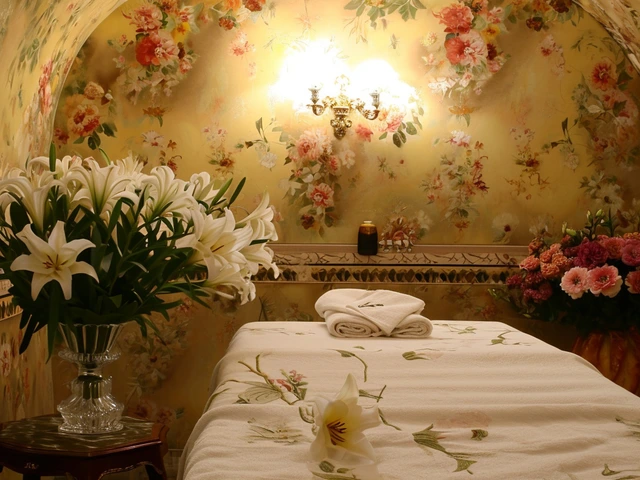
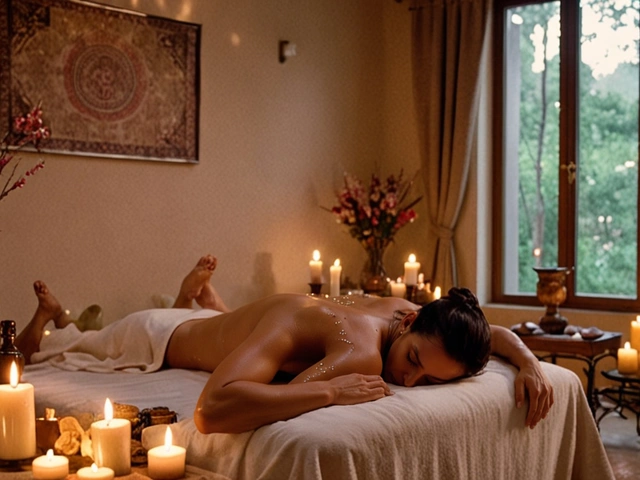
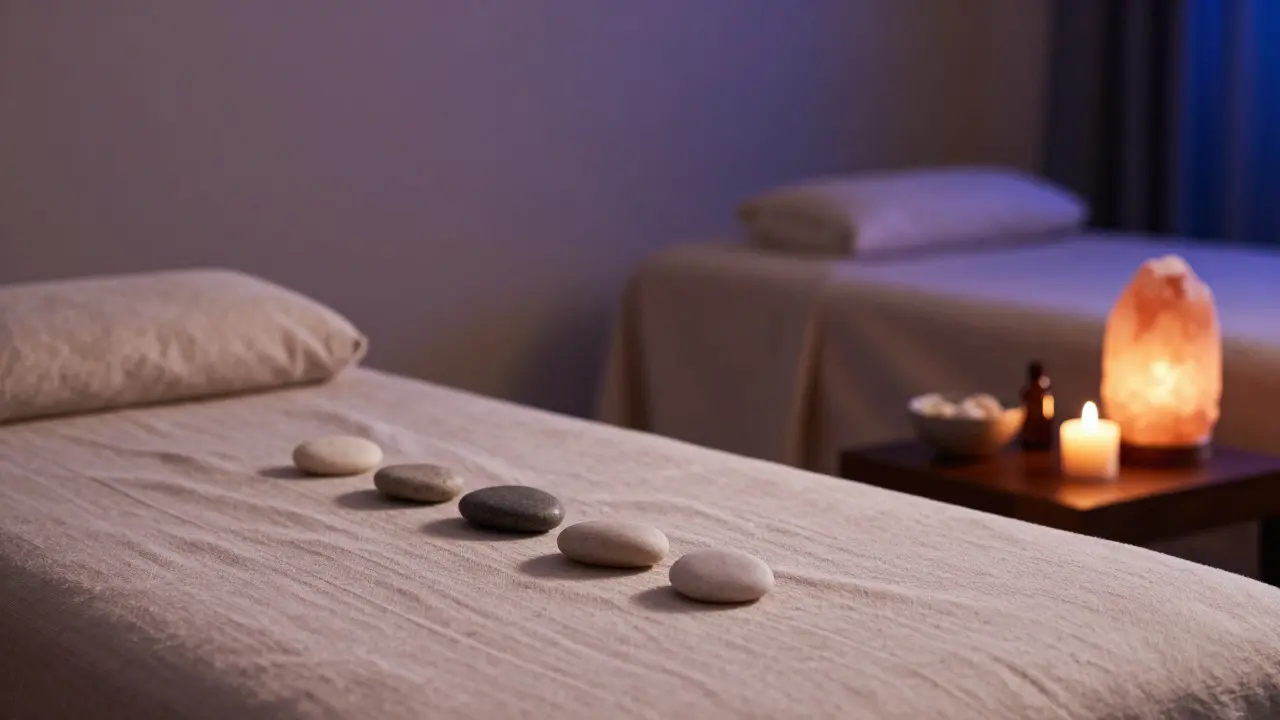
- Atmosphere: Photos of your treatment room with candles, soft lighting, and comfortable bedding.
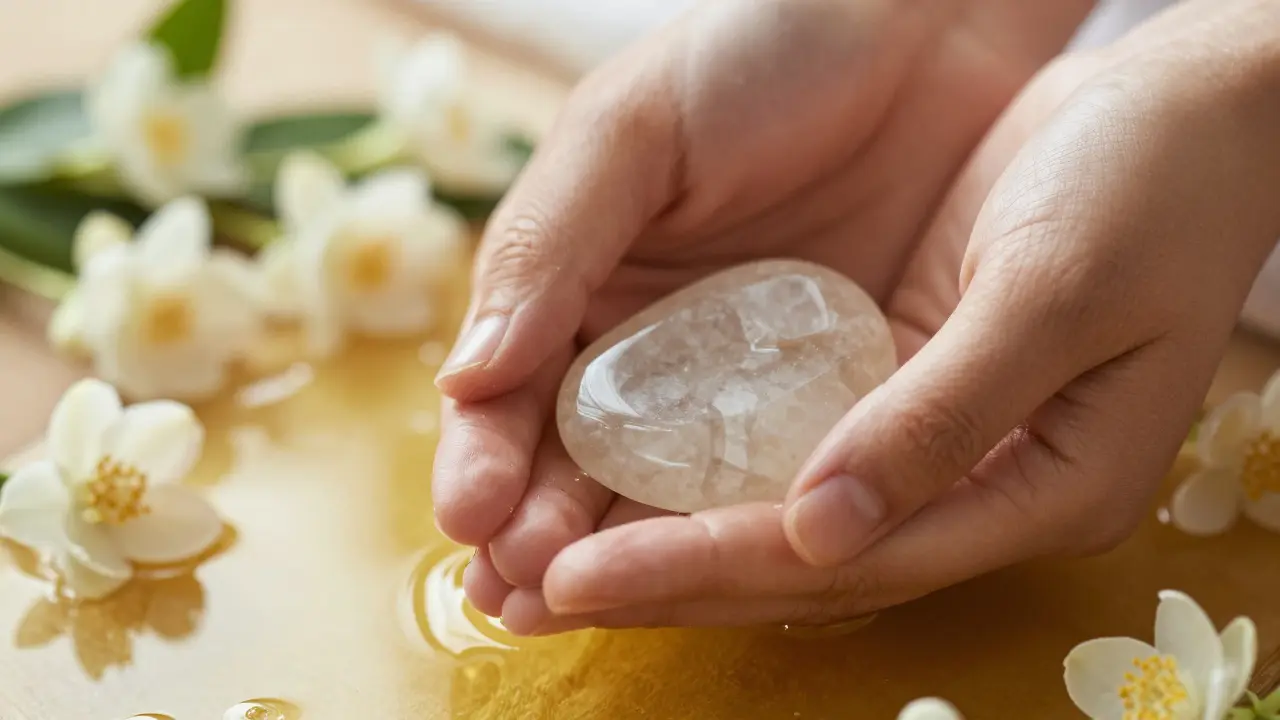
- Details: Close-ups of hands, stones, oils, or flowers.
- Abstract Imagery: Silhouettes, flowing fabrics, or nature scenes that evoke the feeling of the therapy.
Invest in professional photography. Stock photos can look generic and fake. Real photos of your actual space build authenticity.
5. Essential Pages Every Tantric Salon Needs
Your website structure should guide the visitor logically from curiosity to booking. Here are the non-negotiable pages:
Home Page
This is your elevator pitch. Within five seconds, a visitor should know what you offer and who you are for. Include a clear headline, a brief introduction, and a prominent "Book Now" button. Highlight your unique value proposition-are you certified? Do you specialize in a specific type of tantra?
About Us / Therapist Profiles
Clients buy people, not just services. Share your story. Why did you become a tantric practitioner? What is your training? Include a professional photo of yourself smiling warmly. Transparency builds trust. Mention your certifications and ethical guidelines clearly.
Services Menu
List each service with a detailed description. Don't just say "Tantric Massage." Explain what happens during the session. How long does it last? What are the benefits? Is it clothed or unclothed? What should the client wear? Remove all ambiguity. Ambiguity creates anxiety; clarity creates confidence.
Pricing
Be transparent with prices. Hidden fees are a major turn-off. List the cost per hour or per session. If you offer packages, list those too. Clear pricing filters out clients who are not ready to invest, saving you time.
FAQ Section
Address common concerns head-on. Questions like "Is this sexual?" "What if I'm nervous?" or "Do I need to prepare anything?" are normal. Answering them publicly shows you are experienced and understanding.
Contact & Location
Make it easy to reach you. Include a contact form, email address, and phone number (if you take calls). Embed a Google Map if you have a physical location. If you are mobile, specify your service area.
6. Implementing a Booking System
Manual booking via email or phone is inefficient and prone to errors. Automate it. A good booking system allows clients to see your real-time availability, select a service, pay a deposit, and receive calendar invites automatically.
Popular options include:
- Calendly: Simple and integrates well with most calendars.
- Acuity Scheduling: Robust features, payment processing, and reminders.
- Amelia Plugin (for WordPress): Beautiful interface, built specifically for appointments.
Integrate this directly into your website. Place the booking widget on every service page and in the navigation menu. Frictionless booking leads to higher conversion rates.
7. Legal and Ethical Compliance
Operating a tantric salon requires strict adherence to legal and ethical standards. Your website must reflect this.
Terms of Service
Clearly state your policies regarding cancellations, no-shows, and conduct. Make it clear that your services are therapeutic and non-sexual. This protects you legally and sets expectations.
Privacy Policy
You are handling sensitive personal data. You must have a privacy policy that complies with regulations like GDPR (if in Europe) or CCPA (if in California). Explain how you collect, store, and protect client information. Use HTTPS encryption everywhere.
Age Verification
Consider adding a simple age gate popup upon entry to ensure visitors are adults. This reinforces the mature nature of your services and helps comply with advertising standards.

8. SEO: Getting Found Online
A beautiful website is useless if no one sees it. Search Engine Optimization (SEO) is how you get free traffic from Google.
Keyword Research
Identify what your clients are typing into search bars. Terms like "tantric massage near me," "sensuality coaching," or "chakra healing [city]" are valuable. Use tools like Google Keyword Planner or Ubersuggest to find these terms.
On-Page SEO
Include your target keywords naturally in your page titles, headings, and meta descriptions. Write high-quality content for your blog section. Topics could include "Benefits of Tantric Breathing," "How to Prepare for Your First Session," or "Understanding Energy Work." This positions you as an expert and drives organic traffic.
Local SEO
Claim your Google Business Profile. Ensure your name, address, and phone number (NAP) are consistent across your website and all directories. Encourage satisfied clients to leave reviews. Reviews are social proof that heavily influences local search rankings.
9. Mobile Optimization is Non-Negotiable
More than half of all web traffic comes from mobile devices. Many potential clients will discover you on Instagram or Facebook and click through to your site on their phone. If your site is not mobile-friendly, they will leave.
Test your site on various screen sizes. Ensure buttons are large enough to tap, text is readable without zooming, and forms are easy to fill out. Most modern WordPress themes are responsive by default, but always double-check.
10. Launch and Iterate
Once your site is live, the work isn't done. Monitor your analytics using Google Analytics. See where visitors come from, which pages they visit, and where they drop off. Use this data to improve your site continuously.
Update your content regularly. Add new blog posts, refresh your photos, and adjust your pricing if needed. A stagnant website suggests a stagnant business. Keep it fresh, keep it secure, and keep it aligned with your brand's evolving voice.
| Feature | Website Builders (Wix/Squarespace) | WordPress + Elementor |
|---|---|---|
| Learning Curve | Low - Drag and drop | Medium - Requires some setup |
| Cost | Monthly subscription ($16-$40/mo) | Hosting + Domain ($5-$15/mo) + Theme/Plugin costs |
| Flexibility | Limited to platform features | Unlimited with plugins |
| SEO Capability | Good, but limited control | Excellent, full control |
| Ownership | Rented space | You own the data |
How much does it cost to create a website for a tantric salon?
The cost varies based on your approach. Using a DIY builder like Wix can cost $20-$40 per month. With WordPress, you might spend $50-$100 annually on hosting and domain, plus one-time costs for a premium theme ($50-$60) and plugins. If you hire a professional designer, expect to pay between $1,000 and $5,000 depending on complexity.
Can I use stock photos for my tantric salon website?
You can, but it is better to use original photos. Stock photos can look generic and fail to convey the unique atmosphere of your specific salon. If you must use stock images, choose high-quality, abstract, or atmospheric shots that align with your brand colors and vibe. Avoid cliché images that look overly sexualized, as this can deter serious clients.
Do I need a blog for my tantric business website?
Yes, a blog is highly recommended for SEO. It allows you to target long-tail keywords like "benefits of tantric breathing" or "how to relax before a massage." Regular content establishes you as an authority in the field and provides value to potential clients before they even book a session.
How do I handle privacy and confidentiality on my website?
Install an SSL certificate to encrypt data. Include a clear Privacy Policy explaining how you handle client information. Use secure booking platforms that comply with data protection laws. Never display client testimonials with full names unless you have explicit written consent, and consider using initials or pseudonyms to protect anonymity.
What is the best way to accept payments online?
Integrate a trusted payment gateway like Stripe or PayPal through your booking system. This allows clients to pay deposits or full amounts securely at the time of booking. Ensure your payment processor's terms of service allow for wellness and massage services, as some have restrictions on certain types of adult-oriented businesses.