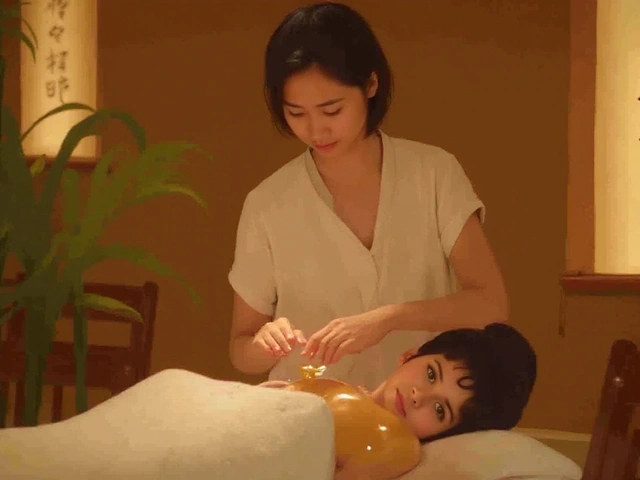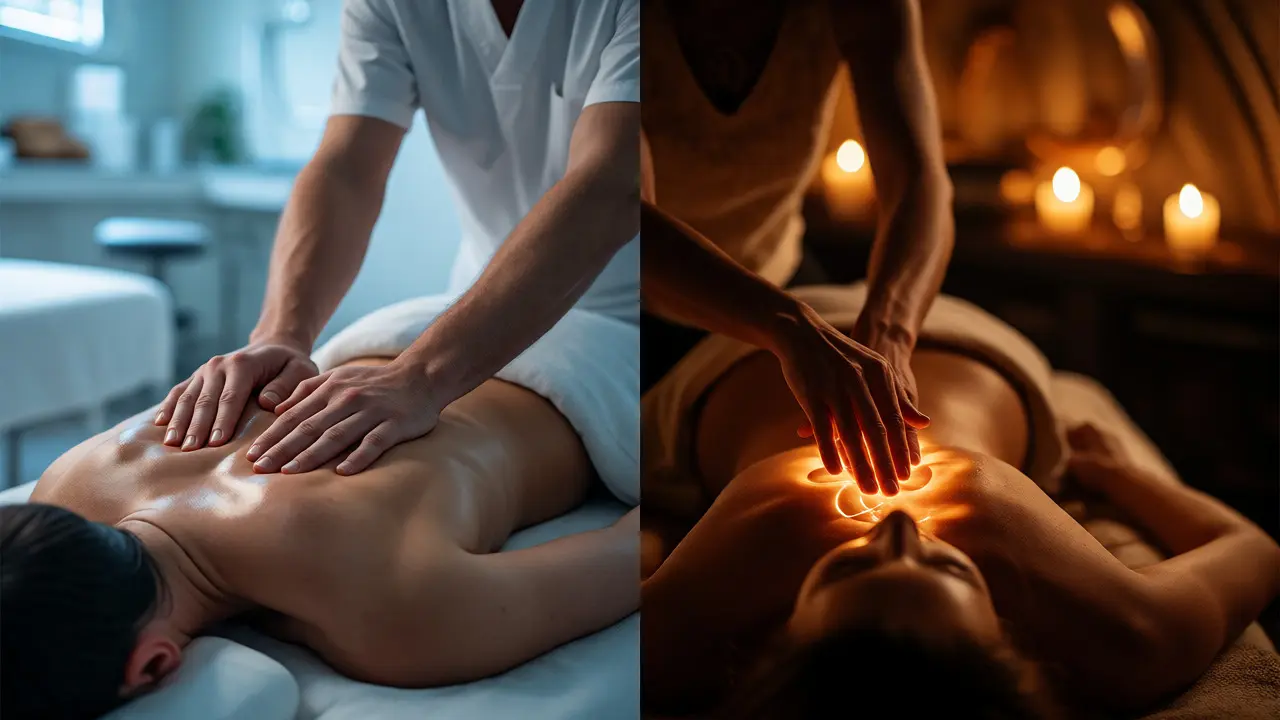
You walk into a spa or wellness center, and suddenly you're staring at two options that sound similar but feel worlds apart. On one hand, there's the familiar classical massage, known for kneading away that stubborn knot in your shoulder after a long week of desk work. On the other, there's tantric massage, a holistic practice rooted in ancient Indian philosophy that focuses on harmonizing internal energy and spiritual development. It sounds mysterious, maybe even a bit intimidating if you've heard rumors about it being purely sexual. So, which one do you pick? Do you want quick physical relief, or are you ready for a deeper journey?
The truth is, these two therapies aren't just different versions of the same thing. They come from entirely different lineages, use distinct techniques, and aim for completely different outcomes. Choosing the wrong one can leave you feeling underwhelmed-or worse, confused about what actually happened during those ninety minutes. Let’s break down the real differences so you can make an informed choice based on what your body and mind actually need right now.
Origins and Core Philosophy
To understand why these massages feel so different, you have to look at where they came from. Classical massage has its roots in Western medical practices, heavily influenced by figures like Gustav Zander and Swedish massage pioneers in the late 19th century. Its primary goal is physiological: to manipulate soft tissues to reduce pain, improve circulation, and relax muscles. Think of it as mechanical maintenance for your body. If your engine is overheating, classical massage cools it down.
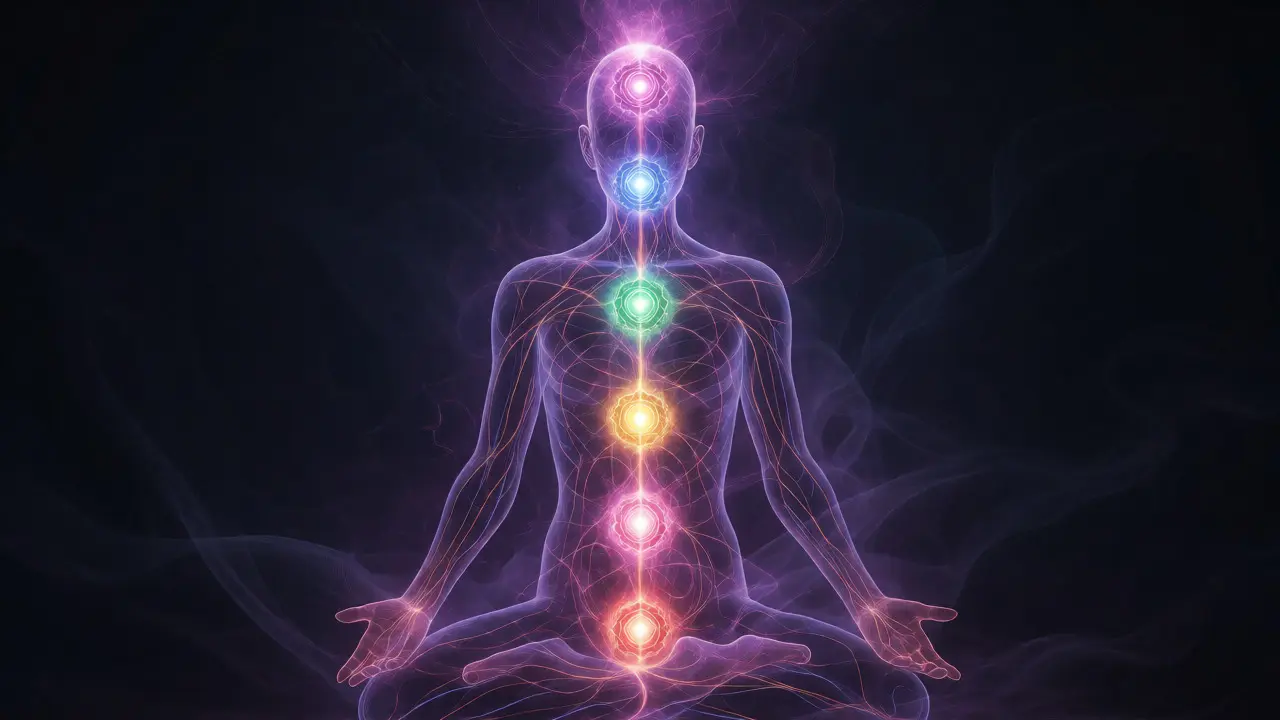
Tantric massage, however, draws from a tradition over 5,000 years old originating in India. It wasn't originally designed for muscle knots; it was part of a broader spiritual framework aimed at awakening the Kundalini energy and balancing the seven chakras (energy centers) along the spine. While modern adaptations often blend Eastern and Western techniques, the core intent remains spiritual and energetic rather than purely anatomical. It’s less about fixing a broken part and more about optimizing the flow of life force within you.
Techniques and Physical Experience
If you book a classical session, expect a structured approach. Therapists use standardized strokes like effleurage (gliding), petrissage (kneading), friction, and tapotement (tapping). The pressure is usually consistent, ranging from light to firm depending on your tolerance, and the focus is strictly on specific muscle groups. A typical session lasts about 60 minutes. You lie down, the therapist works on your back, legs, and arms, and then you leave feeling physically looser.
Tantric massage is a different beast entirely. Sessions are longer, typically lasting 90 to 120 minutes, because the process involves more than just touching skin. It starts with a ritualistic communication phase where you discuss intentions, set boundaries, and establish a safe space. This isn't just small talk; it’s crucial for building trust. During the massage itself, the touch varies wildly. You might experience feather-light caresses using tools like peacock feathers or warm towels, followed by firmer strokes that stimulate energy flow. Breathing is synchronized between you and the therapist, turning the session into a meditative practice. Unlike classical massage, tantric work often includes full-body coverage, sometimes including intimate areas, though this depends on the specific style and agreed-upon boundaries. The goal isn't necessarily to reach orgasm, but to heighten sensitivity and release stored emotional tension.

Goals and Outcomes: What Will You Feel?
Here is where the decision becomes personal. Are you trying to fix a problem, or transform your state of being?
| Feature | Classical Massage | Tantric Massage |
|---|---|---|
| Primary Goal | Muscle relaxation & pain relief | Energy harmonization & spiritual growth |
| Duration | ~60 minutes | 90-120 minutes |
| Muscle Release | High (85-95%) | Moderate (50-60%) |
| Stress Reduction | Moderate (60-70%) | High (85-95%) |
| Emotional Impact | Low to Moderate | High (often cathartic) |
Data from holistic therapy associations suggests that while classical massage excels at immediate physical relief-making it ideal for athletes or people with chronic back pain-tantric massage offers deeper psychological benefits. Surveys indicate that 68% of tantric clients report improved mental health and better sleep, compared to the primarily physical gains of classical sessions. If you’re dealing with burnout, anxiety, or a sense of disconnection from your body, tantric techniques tend to resonate more. However, if you just need your shoulders to stop screaming at you, classical massage is faster and more direct.
Who Should Choose Which?
Let’s get practical. Who is each massage actually for?
- Choose Classical Massage if:
- You have acute muscle pain, sports injuries, or postural issues.
- You prefer a straightforward, non-emotional experience.
- You have limited time (60 minutes is standard).
- You are skeptical of spiritual or energetic concepts.
- Choose Tantric Massage if:
- You feel emotionally blocked or stressed beyond physical symptoms.
- You want to explore your sensuality and body awareness without pressure.
- You are open to a slower, more mindful pace.
- You are looking for long-term transformation rather than a quick fix.
It’s also worth noting the demographic trends. In many regions, classical massage users skew slightly male and are often motivated by performance or pain management. Tantric massage clients are frequently women aged 30-45 seeking holistic well-being, though men increasingly seek it out for stress relief and intimacy connection. Neither is "better"; they just serve different human needs.
Costs and Practical Considerations
Your wallet will notice the difference. Because tantric massage requires more time, specialized training, and a more intimate environment, it costs significantly more. In many European markets, a 60-minute classical massage averages around $50-$80 (or equivalent local currency), while a 120-minute tantric session can range from $150-$250. You’re paying for the therapist’s extended presence and specialized skill set.
Another factor is consistency. One classical massage can provide temporary relief. With tantric massage, practitioners often recommend a series of 3-4 sessions to fully integrate the energetic shifts. Don’t expect a single session to solve years of accumulated stress. Also, verify the credentials of your practitioner. The market has seen a rise in "pseudo-tantric" services that blur lines with erotic entertainment. Legitimate tantric therapists undergo rigorous training-often 150+ hours-in energy work and ethics, distinguishing them from providers offering simple sensual rubdowns.
Common Misconceptions
The biggest barrier to trying tantric massage is the stigma. Many people assume it’s just fancy foreplay. While sexuality is acknowledged as a vital energy source, authentic tantric massage is not inherently sexual in the conventional sense. The goal is not climax but expansion. In fact, some styles explicitly exclude genital contact, focusing instead on heart-centered connection and breathwork. Conversely, classical massage is rarely misunderstood-it does exactly what it says on the tin. But don’t dismiss classical massage as "boring." For physical ailments, it’s medically validated and highly effective.
Ultimately, listen to your body. If you’re tight, sore, and tired of sitting at a desk, book the classical massage. It’s efficient and proven. If you’re feeling numb, anxious, or disconnected from yourself, give tantric massage a try. It might just wake you up in ways you didn’t expect.
Is tantric massage always sexual?
No. While tantric massage acknowledges sexual energy, it is not synonymous with sex. Authentic sessions focus on energy flow, relaxation, and emotional release. Genital contact may occur in some traditions but is not mandatory, and the goal is never solely orgasm.
Which massage is better for back pain?
Classical massage is generally superior for acute or chronic muscular back pain due to its targeted deep tissue techniques and higher pressure application. Tantric massage may help if the pain is psychosomatic or linked to stress, but classical methods offer faster physical relief.
How long should I commit to tantric massage?
Practitioners typically recommend a minimum of 3 to 4 sessions to experience the cumulative benefits of energy balancing. Single sessions can be relaxing, but the transformative effects on mindset and sensitivity often require repeated exposure.
Can I combine both types of massage?
Yes, many people alternate between them. Use classical massage for physical maintenance after intense exercise or periods of poor posture, and schedule tantric sessions periodically for deeper mental and energetic resets.
What should I wear during a tantric massage?
This varies by center and agreement. Some clients remain fully nude, others keep underwear on, and some stay partially clothed. Discuss comfort levels and boundaries with your therapist before the session begins to ensure a safe and respectful experience.