For decades, the prostate massage was a topic whispered about in urology clinics or discussed only in hushed tones at adult stores. Today, it is stepping out of the shadows. Whether you are dealing with persistent pelvic pain, struggling with urinary issues, or simply curious about enhancing your sexual experiences, understanding this practice is crucial. It is not just a fringe technique; it is a therapeutic tool with over a century of medical history.
But here is the catch: doing it wrong can cause harm. Doing it right can provide significant relief from conditions like chronic prostatitis. This guide cuts through the myths and focuses on the anatomy, the proven benefits, and the safe ways to perform or receive this treatment.
What Exactly Is Prostate Massage?
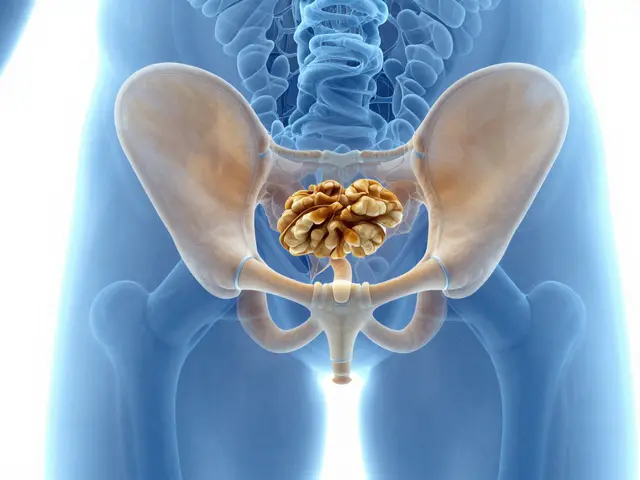
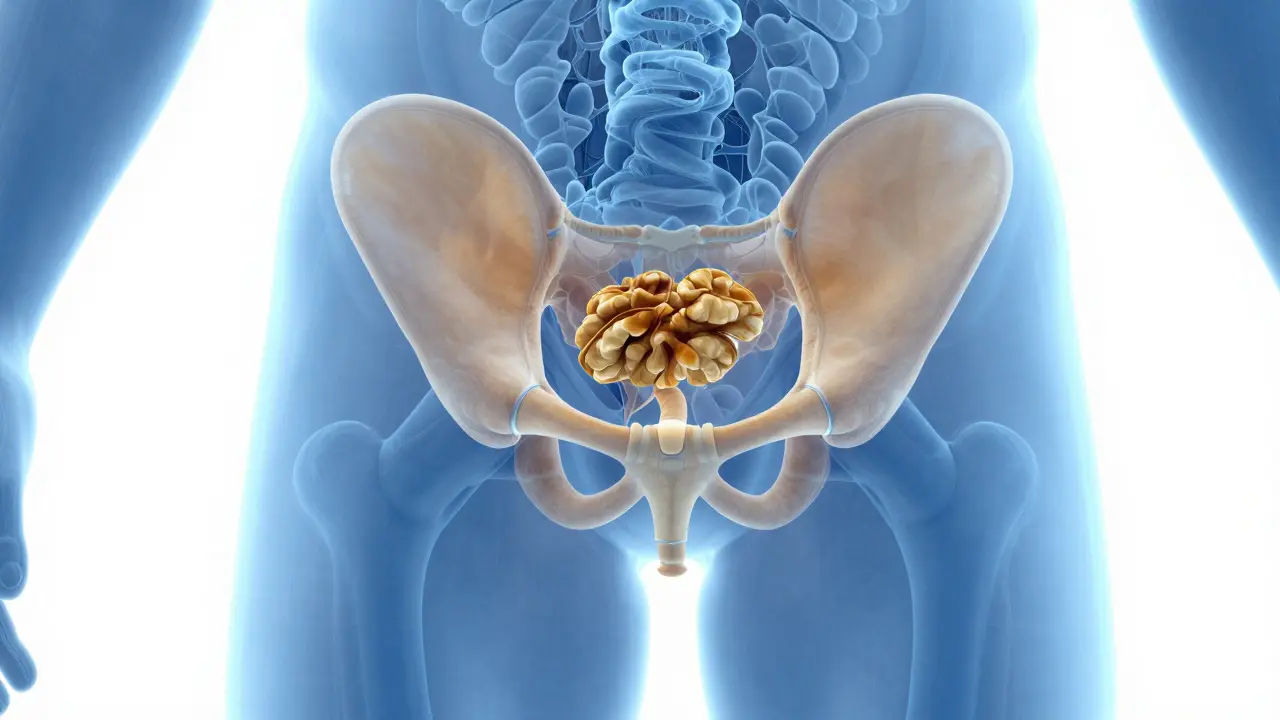
To understand the benefits, you first need to understand the target. The Prostate Gland is a walnut-sized organ located below the bladder and in front of the rectum. It wraps around the urethra, the tube that carries urine out of the body. Its primary job is to produce the fluid that nourishes and transports sperm.
Prostate massage involves applying pressure to this gland, usually via the rectal wall, to stimulate drainage and blood flow. Historically, doctors used this method to collect prostatic fluid for diagnosis. Later, it became a standard treatment for congestion in the prostate. Today, it exists in two distinct forms:
- Medical/Therapeutic Massage: Performed by a healthcare provider or trained therapist to treat inflammation, drain infected fluid, and relieve pelvic tension.
- Recreational/Sensual Massage: Performed by individuals or partners using fingers or specialized devices to enhance sexual pleasure and achieve orgasm.
While the end goal differs, the mechanical action is similar: gentle, rhythmic pressure applied to the anterior wall of the rectum, where the prostate sits approximately 5-7 centimeters inside.
The Medical Case: Why Doctors Recommend It
If you have been told you have Chronic Prostatitis, you know the frustration. Antibiotics often fail because they cannot penetrate the thickened ducts of an inflamed prostate effectively. This is where massage comes in.
The theory is straightforward. When the prostate is inflamed, its tiny ducts can become blocked with stagnant fluid and bacteria. Think of it like a clogged pipe. Massage acts as a manual unclogging mechanism. By gently milking the gland, you help drain these secretions into the urethra, allowing them to be flushed out during urination.
Research supports this approach. A study published in *Urologie pro praxi* (2004) highlighted that massage aids antibiotic therapy by "draining presumed occluded outlets" and improving circulation within the gland. This improved blood flow helps deliver medications more effectively and removes toxins that contribute to inflammation.
In countries like Germany, up to 65% of patients with chronic prostatitis are prescribed prostate massage as part of their treatment plan. In the Czech Republic, this figure is around 45%. While lower in the US (30%), the trend is shifting toward recognizing its value as a complementary therapy.
Beyond Infection: Pelvic Floor and Urinary Health
Prostate massage isn't just for fighting bacteria. Many men suffer from Chronic Pelvic Pain Syndrome (CPPS), a condition where pain persists without an active infection. Often, this pain stems from tight, spasming muscles in the pelvic floor.
The prostate is intimately connected to these muscles. When the pelvic floor is chronically tense, it restricts blood flow to the prostate, leading to stagnation and pain. Massage helps in two ways:
- Mechanical Release: Direct pressure on the prostate can trigger a reflex relaxation of the surrounding pelvic floor muscles.
- Reduced Pressure: By draining excess fluid, the gland shrinks slightly, reducing pressure on the urethra. This can lead to smoother, less painful urination.
Some experts, including Dr. Hartmann from Hartmann Direct, suggest that regular massage may also play a role in preventing Benign Prostatic Hyperplasia (BPH), or enlarged prostate, by maintaining healthy hormone levels and preventing tissue stagnation. However, more large-scale studies are needed to confirm cancer prevention claims definitively.
The Pleasure Principle: Sexual Wellness Benefits
You cannot discuss prostate massage without addressing its recreational side. For many men, stimulating the prostate unlocks a new dimension of sexual pleasure. Often called the "male G-spot," the prostate is densely packed with nerve endings.
Stimulation here can lead to:
- Intense Orgasms: Many men report orgasms that feel deeper and more full-body compared to penile stimulation alone.
- Increased Sensitivity: Regular, gentle stimulation can heighten overall genital sensitivity.
- Emotional Release: The act requires vulnerability and relaxation, which can reduce stress and improve intimacy with a partner.
Devices designed for this purpose, such as the Aneros MGX or Lelo Billy 2, have seen a surge in popularity. In the Czech market alone, sales of prostate massagers rose by 22% between 2020 and 2023. These devices offer consistent vibration and shape, which some find easier to use than manual techniques.
Safety First: Who Should Avoid It?
This is the most critical section. Prostate massage is not for everyone, and timing matters immensely.
- Acute Prostatitis: If you have a fever, chills, or severe sudden pain, massage can spread the infection into the bloodstream (sepsis). This is a medical emergency.
- Prostate Cancer: Manipulating a tumor could potentially spread cells. Always consult your oncologist first.
- Severe Hemorrhoids or Anal Fissures: Insertion can worsen these conditions and cause significant pain or bleeding.
- Recent Rectal Surgery: Wait until fully healed and cleared by your surgeon.
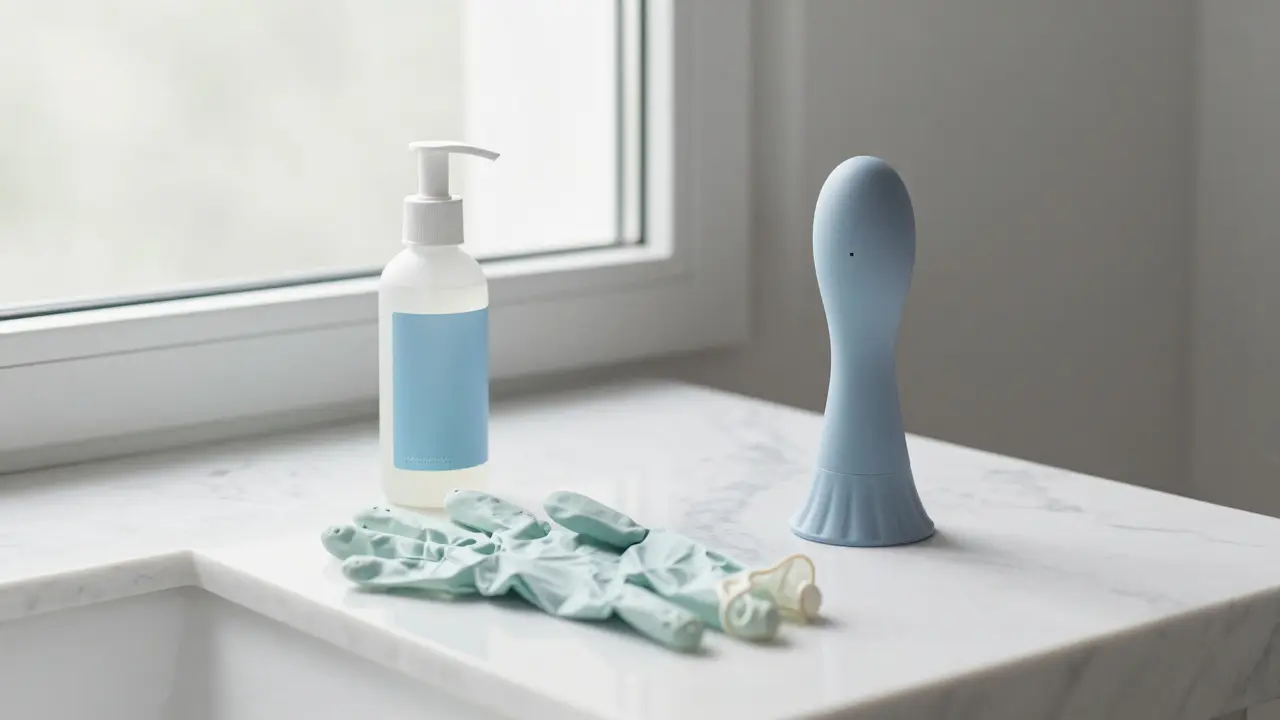
Even for healthy men, hygiene is non-negotiable. Use plenty of water-based lubricant, trim nails short, and consider wearing a latex glove. If using a device, ensure it has a flared base to prevent it from getting lost inside the rectum.
How to Perform Prostate Massage Safely
If you have cleared the medical hurdles, here is how to proceed. Whether you are doing it yourself or with a partner, patience is key.
- Preparation: Empty your bowels beforehand. Wash hands thoroughly and trim nails. Apply a generous amount of water-based lubricant to the finger or device.
- Relaxation: Lie on your side with knees bent towards your chest. Take deep breaths to relax the pelvic floor muscles. Tension makes insertion difficult and painful.
- Insertion: Gently insert the lubricated finger or device. Move slowly. You should feel no sharp pain.
- Locating the Prostate: Insert about 5-7 cm (2-3 inches). The prostate feels like a firm, rounded bump on the front wall of the rectum (towards your belly button), resembling the size and texture of a walnut or a nose tip.
- The Motion: Use a gentle "come hither" motion with your finger, or apply steady, light pressure with a device. Avoid aggressive rubbing. The goal is gentle compression, not friction.
- Duration: Keep sessions short-10 to 15 minutes maximum. Start with once or twice a week to see how your body reacts.
If you experience any burning, sharp pain, or bleeding, stop immediately. Discomfort is normal at first due to unfamiliarity, but pain is a warning sign.
Comparison: Manual vs. Device-Assisted Massage
| Feature | Manual (Finger) | Device (Vibrator/Massager) |
|---|---|---|
| Precision | High (you can feel exactly what you touch) | Medium (depends on device shape) |
| Consistency | Variable (finger fatigue sets in) | High (consistent vibration/pressure) |
| Learning Curve | Steep (requires anatomical knowledge) | Low (designed for ergonomic fit) |
| Cost | Free | $30 - $150+ |
| Best For | Medical drainage, targeted trigger point release | Recreational pleasure, consistent stimulation |
Overcoming Psychological Barriers
Let's address the elephant in the room: shame. Surveys indicate that up to 35% of men initially refuse prostate massage due to psychological barriers or fear of discomfort. It is natural to feel vulnerable. However, remember that this is a routine medical procedure for many urologists and a common wellness practice for others.
Start small. If the idea of internal massage feels too intense, begin with external perineum massage (the area between the scrotum and anus). This stimulates the same nerve pathways indirectly and can help you get accustomed to the sensation without penetration.
Talk to your doctor. If you are seeking this for health reasons, having a professional explain the process can demystify it. Knowing that 65% of men who try it after explanation report subjective improvement can be a powerful motivator.
The Future of Prostate Care
We are moving toward a more holistic view of men's health. The integration of biofeedback therapy with prostate massage is gaining traction. Biofeedback teaches men to consciously control their pelvic floor muscles, while massage physically releases tension. Together, they offer a potent solution for CPPS.
As stigma decreases, we expect to see more standardized guidelines. Organizations like the Czech Urological Society have already updated recommendations to include massage in preventive care for BPH. The goal is clear: proactive maintenance rather than reactive crisis management.
Whether you are looking to alleviate chronic pain or explore new heights of pleasure, prostate massage offers tangible benefits when approached with respect, hygiene, and medical awareness. Listen to your body, consult professionals when needed, and prioritize safety above all else.
Can prostate massage cure prostate cancer?
No. There is no scientific evidence that prostate massage cures or prevents prostate cancer. In fact, if you have undiagnosed cancer, massage could potentially spread malignant cells. Always consult an oncologist before attempting any form of prostate manipulation if cancer is suspected.
How often should I do prostate massage for health benefits?
For therapeutic purposes, such as treating chronic prostatitis, doctors often recommend 1-2 times per week. However, frequency should be tailored to your specific condition. Over-massaging can irritate the tissue. Start with once a week and adjust based on comfort and symptom relief.
Is it painful to get a prostate massage?
It should not be painful. You might feel pressure, fullness, or a strange sensation, especially if you are new to it. Sharp pain, burning, or bleeding indicates that you are pressing too hard, using insufficient lubrication, or have an underlying condition like acute inflammation. Stop immediately if you feel pain.
Can I do prostate massage myself?
Yes, self-massage is common and effective. Ensure you have trimmed nails, use plenty of lubricant, and maintain strict hygiene. Using a mirror can help you locate the prostate more easily. Alternatively, specialized curved devices designed for self-use can make the process simpler and more comfortable.
Does prostate massage help with erectile dysfunction?
Indirectly, yes. By improving blood flow to the pelvic region and reducing pelvic floor tension, massage can support better erectile function. However, it is not a direct cure for ED caused by vascular or neurological issues. It works best as part of a comprehensive treatment plan.