You just left the relaxation room feeling lighter than you have in weeks. The oils are still on your skin, the silence of the treatment is fading, and now comes the part nobody warns you about: talking about it. For many couples, the post-massage conversation is where the real work begins. Did one person feel rushed? Was the pressure too light for one but perfect for the other? If you handle this wrong, a relaxing afternoon can turn into a debate about who booked the wrong place or who didn’t communicate better.
The goal here isn't to win an argument. It’s to make sure both of you actually enjoyed the experience and know how to replicate the good parts next time. Think of this moment as a chance to tune in to each other’s needs, not a performance review of the therapist or the venue.
Why the Post-Massage Chat Matters More Than You Think
A couples' massage is typically a 60 to 90-minute ritual. It involves travel, changing, lying still, and letting someone else touch you. That’s a lot of vulnerability packed into a short window. When you step out, you’re carrying two different experiences. One partner might have felt deeply connected because you were side-by-side. The other might have felt anxious because the music was too loud or the room was too cold.
If you ignore these differences, they don’t disappear. They become background noise. Next time you book a wellness session, that quiet resentment will be there, making it harder to relax. By addressing small frictions immediately, you build a shared language for comfort. This practice doesn’t just fix the current issue; it trains your brain to view disagreements as problems to solve together, rather than attacks from your partner.
Choosing the Right Time and Place
Timing is everything. Do not start this conversation in the reception area while the front desk staff is watching. Do not do it while you’re rushing to get to dinner. And definitely avoid doing it when you’re both tired and hungry on the drive home, unless you’re very good at keeping things light.
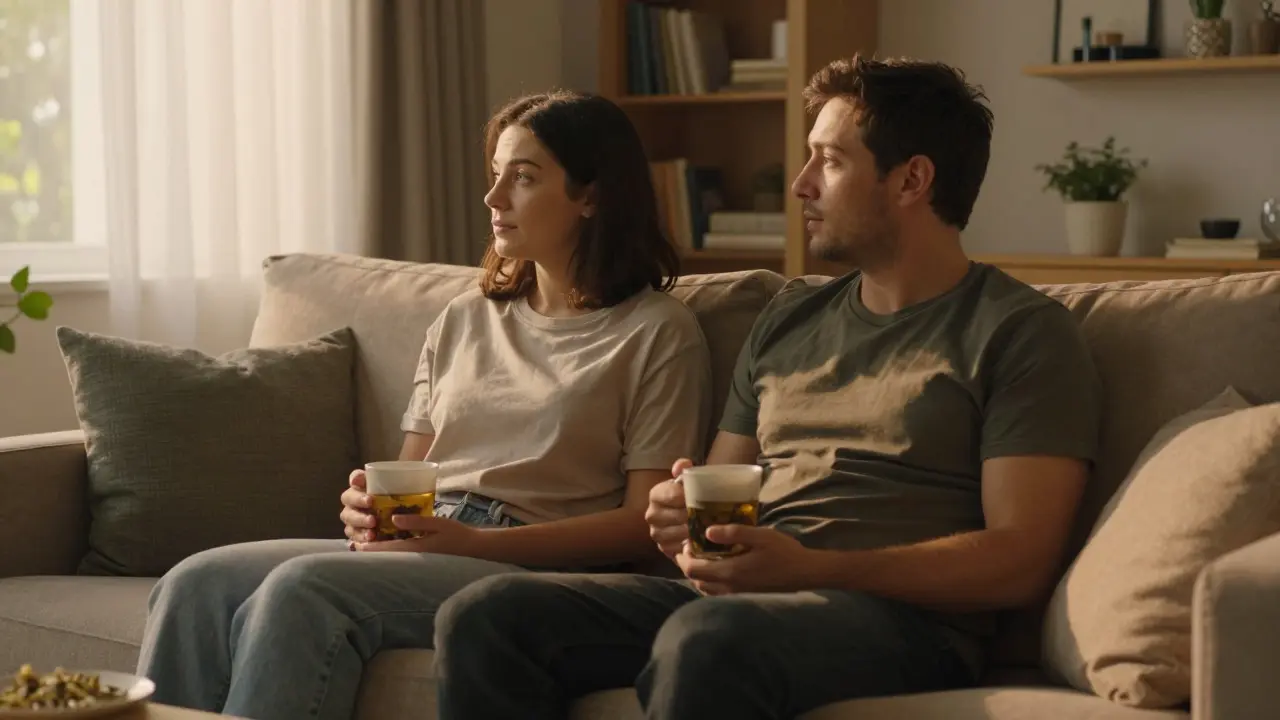
Wait until you are in a private space where you can sit comfortably. Maybe it’s your living room with a cup of tea, or maybe it’s a quiet bench in the park nearby. Give yourselves 10 to 20 minutes. The key is to ensure both people are relatively calm. If one of you is still buzzing from the adrenaline of a busy day, wait. Emotional safety requires a baseline of physical ease. Sitting side-by-side rather than face-to-face can also help reduce the feeling of confrontation. It signals partnership, not opposition.
The SBI Method: A Simple Framework for Honest Talk
When we get upset, we tend to generalize. We say things like "You always pick places that are too far away" or "You never listen to what I need." These statements trigger defensiveness because they attack character, not behavior. To avoid this, try using the SBI framework. It stands for Situation, Behavior, and Impact. It keeps the focus on specific facts rather than vague judgments.
- Situation: Describe the specific context. "When we were in the treatment room..."
- Behavior: Note what happened objectively. "...the therapist asked if you wanted deeper pressure, and you said yes without checking with me..."
- Impact: Explain how it affected you emotionally. "...I felt a bit disconnected because I wasn't sure if my preference mattered in that moment."
This structure removes the blame. You aren't saying your partner was selfish. You're describing a sequence of events and your internal reaction. It gives your partner a clear picture of what to adjust next time without feeling attacked.

Starting with Appreciation to Lower Defenses
Before you dive into the minor gripes, lead with gratitude. This sounds simple, but it works because it proves you value the experience itself. Mention two or three specific things you loved. "I really liked that we had our own private room," or "It was nice that you remembered to bring the extra blanket."
When your partner hears genuine appreciation, their nervous system relaxes. They stop bracing for impact. This creates a safe container for the rest of the conversation. If you skip this step and go straight to complaints, the whole chat can feel like a list of grievances. Start with what worked, then move to what could be smoother.
Active Listening: The Other Half of the Job
Feedback is a two-way street. Once you’ve shared your thoughts, hand the floor over. Ask open-ended questions like, "How did you feel during the massage?" or "Is there anything you would change for next time?" Then, shut up and listen.
Resist the urge to explain yourself or justify your choices. If your partner says they felt the room was too bright, don’t immediately say, "But the dimmer switch was broken!" Just acknowledge it. Say, "Okay, so the light bothered you. Got it." Validation doesn't mean agreement; it means understanding. Repeat back what you heard to confirm you got it right. "So, next time, let's ask the therapist to close the blinds before we start?" This ensures you’re both on the same page.
Turning Feedback into Action
A conversation without a conclusion is just venting. End your chat by agreeing on one concrete action for the future. It doesn’t have to be big. It could be as simple as deciding to check reviews for lighting quality before booking again, or agreeing that you’ll both speak up to the therapist if something feels off during the session. Having a shared plan turns the feedback from a complaint into a tool for improvement. It shows that the conversation had a purpose.
| Aspect | Criticism | Constructive Feedback |
|---|---|---|
| Focus | Partner's personality or habits | Specific situation and behavior |
| Language | "You always...", "You never..." | "When X happened, I felt Y..." |
| Tone | Judgmental, global, past-oriented | Descriptive, specific, future-oriented |
| Goal | To prove the partner is wrong | To understand impact and improve next time |
| Result | Defensiveness, conflict | Clarity, connection, action plan |
Common Pitfalls to Avoid
Even with the best intentions, conversations can go sideways. Watch out for these traps:
- Bringing up old scores: Don't use the massage as a segue into arguing about the trip you took last month. Keep the scope tight to the current experience.
- Over-explaining: If you feel the need to write a long essay defending why you chose that salon, you’re probably already in defensive mode. Keep it brief.
- Ignoring body language: If your partner is crossing their arms or looking away, slow down. They might need a break. Pause and ask if they want to continue later.
Building a Ritual of Reflection
You don’t have to do this deep-dive every single time. But making it a habit after significant shared experiences builds trust. Some couples find it helpful to schedule a quick "debrief" after any major outing, whether it’s a weekend getaway or a fancy dinner. Over time, you’ll notice that you spend less time figuring out what went wrong and more time enjoying the moment, because you’ve already established a safe way to talk about it.
The next time you leave a couples' massage, take a breath. Look at your partner. And remember: the goal isn't perfection. It's understanding. That’s what makes the next one even better.
How long should the post-massage conversation take?
Aim for 10 to 15 minutes. This is enough time to share feelings and agree on one action item without turning into a lengthy debate. If it drags on longer, you might be getting stuck in details rather than focusing on the emotional impact.
What if my partner gets defensive when I give feedback?
If defensiveness rises, pause the conversation. Acknowledge their feeling ("It seems like this is touching a nerve") and suggest picking it up later when you're both calmer. Often, defensiveness comes from feeling attacked, so returning to the SBI method and emphasizing your own feelings rather than their faults can help reset the tone.
Should we discuss the therapist's performance with each other?
Yes, but keep it factual. Instead of saying "The therapist was bad," say "The pressure was a bit heavy for me." Discussing the external factors helps separate the issue from your partner's role, making it easier to agree on changes for the next visit, such as choosing a different stylist or giving clearer instructions upfront.
Is it okay to end the conversation without a solution?
Sometimes, just sharing feelings is enough. However, ending with a small, actionable step (like "Let's look at photos of quieter rooms next time") helps reinforce that the conversation was productive. It leaves you both with a sense of forward momentum rather than unresolved tension.
How do we handle it if we had completely different experiences?
This is common. One person may have loved the silence while the other missed the music. Validate both perspectives. Use phrases like "That makes sense, given how you prefer..." to show you respect their experience. The goal is to find a middle ground or compromise for the next time, not to declare one experience 'correct' and the other 'wrong.'