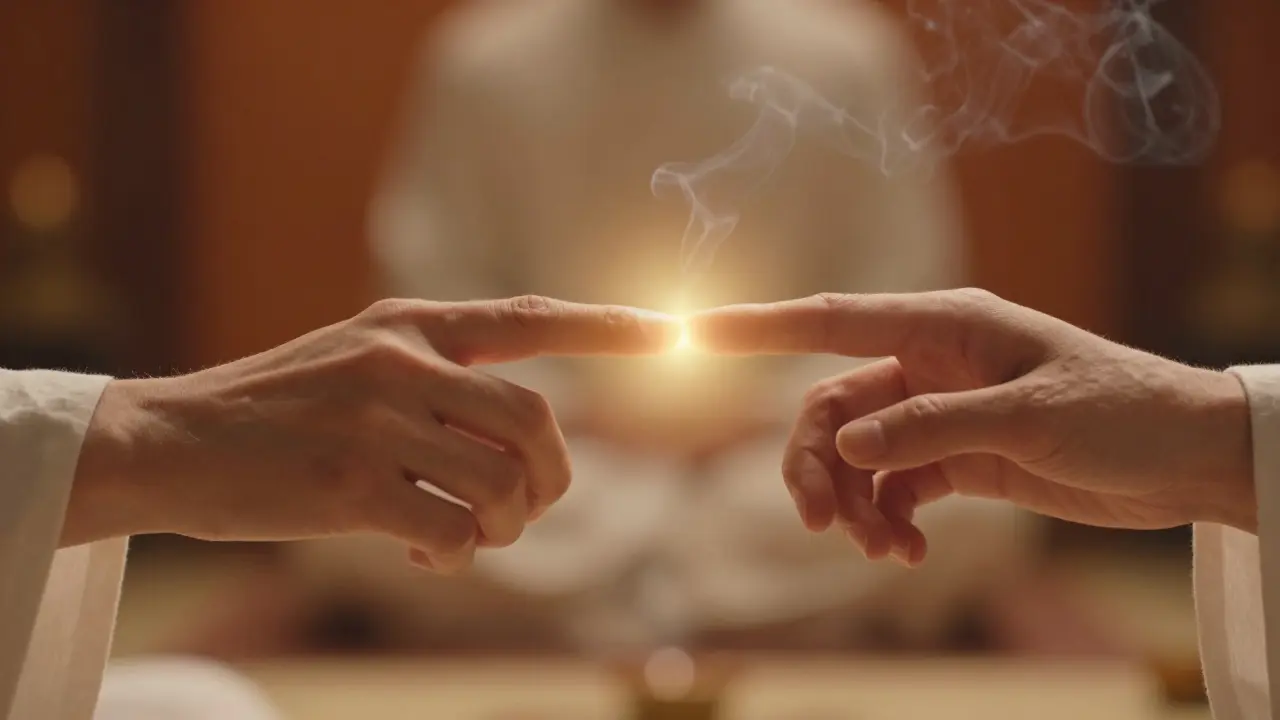
Walking into a room for your first sensual experience can feel like a leap of faith, especially when you're in your twenties and still figuring out what you actually like. Most of us are taught that touch is either "functional" (like a deep tissue massage for a sore neck) or "goal-oriented" (where everything leads toward an orgasm). But there is a massive gap in between those two extremes. That gap is where tantric massage is a deeply relaxing and energetic practice that connects the body, mind, and soul through conscious touch. For young adults, it isn't just about the physical sensation; it's about rewriting the script on how we perceive our own bodies and our boundaries.
The Big Difference: Tantra vs. Erotic Massage
One of the biggest hurdles young adults face when researching this is the confusion between tantra and erotica. If you search for "sensual massage" online, you'll find a lot of services that are essentially a precursor to sex. That is not what this is. While an erotic massage focuses on stimulation and a specific physical peak, a Tantric Massage focuses on sexual wellness and the flow of energy. The goal isn't a finish line; the goal is the journey.
In a tantric session, the emphasis is on presence and respect. Think of it as a meditation where the skin is the canvas. Instead of focusing on the genitals as a means to an end, the practitioner treats the entire body as an erotic zone. For someone exploring their sexuality, this shift is liberating. It removes the pressure to "perform" or reach a certain state, allowing you to simply feel. It's about sensing rather than achieving.
| Feature | Tantric Massage | Erotic Massage |
|---|---|---|
| Primary Goal | Energy flow, relaxation, and self-connection | Sexual stimulation and arousal |
| Focus Area | The entire body as a sensual map | Primarily genital-focused |
| Desired Outcome | Mindfulness and holistic release | Orgasm or sexual gratification |
| Pacing | Slow, conscious, and rhythmic | Fast-paced or intensity-driven |
Breaking Through the Walls of Shame
For many young adults, the early twenties are plagued by "body noise"-that internal voice that tells you your stomach isn't flat enough or your skin isn't perfect enough to be touched. This shame often manifests as physical tension or "blocks" in the body. These blocks are usually the result of stress, past trauma, or the societal pressure to suppress emotions.
Tantric practices use slow, mindful touch to gently dissolve these barriers. When a practitioner uses long, fluid strokes combined with gentle touches, it signals to the nervous system that it is safe to relax. By accepting touch without the immediate expectation of sex, you start to dismantle the shame associated with your own skin. You learn that you are worthy of pleasure and attention simply because you exist, not because you are performing a role for someone else.

The Art of Conscious Touch and Rituals
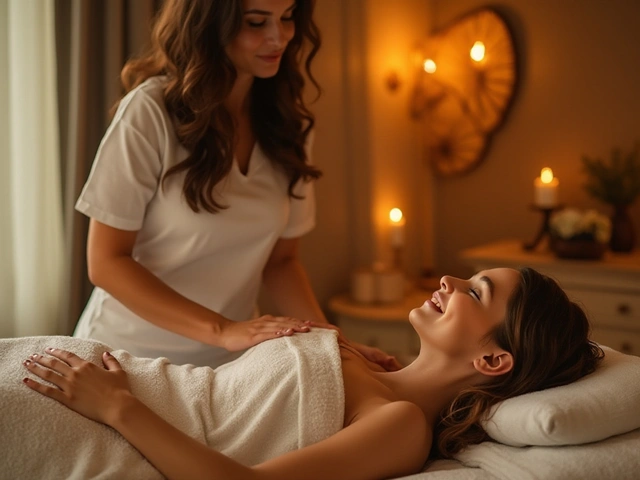
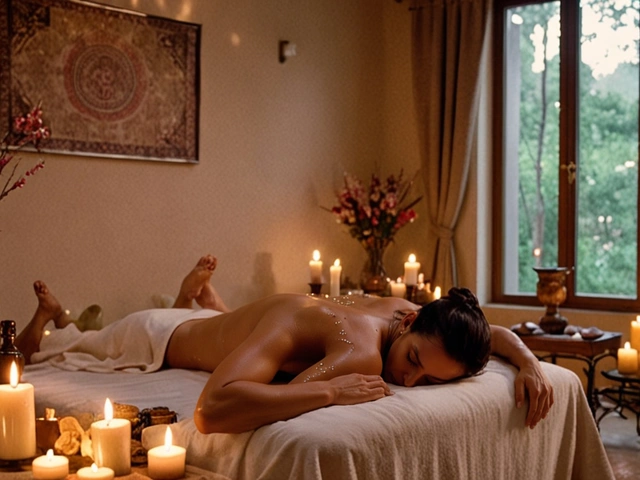
A professional session is more than just oil on skin; it's a ritual. Most practitioners use high-quality natural oils that reduce friction and allow for a seamless glide. The environment is carefully curated-often involving warm towels to relax the muscles and perhaps the use of feathers or furs to create contrasting sensations of light and heavy touch.
Depending on the level of depth you're looking for, sessions vary in length and scope. For those who are hesitant, an "Art of Touch" ritual (typically 60 to 120 minutes) avoids intimate areas and focuses on general relaxation. However, for those ready to dive deeper into their sexual exploration, holistic sensory massages-which can range from 90 minutes (Classic) to as long as 5 hours (Mystic)-include work on the pelvic floor and genitals.
Crucially, these intimate touches are not performed to trigger an orgasm. Instead, they are designed to wake up the nerves and move energy. For men, this can introduce the concept of a non-ejaculatory orgasm, where the pleasure is felt throughout the entire body rather than being concentrated in one spot and then disappearing. This leaves the person feeling vital and refreshed rather than depleted.
The Role of Breath and Energy
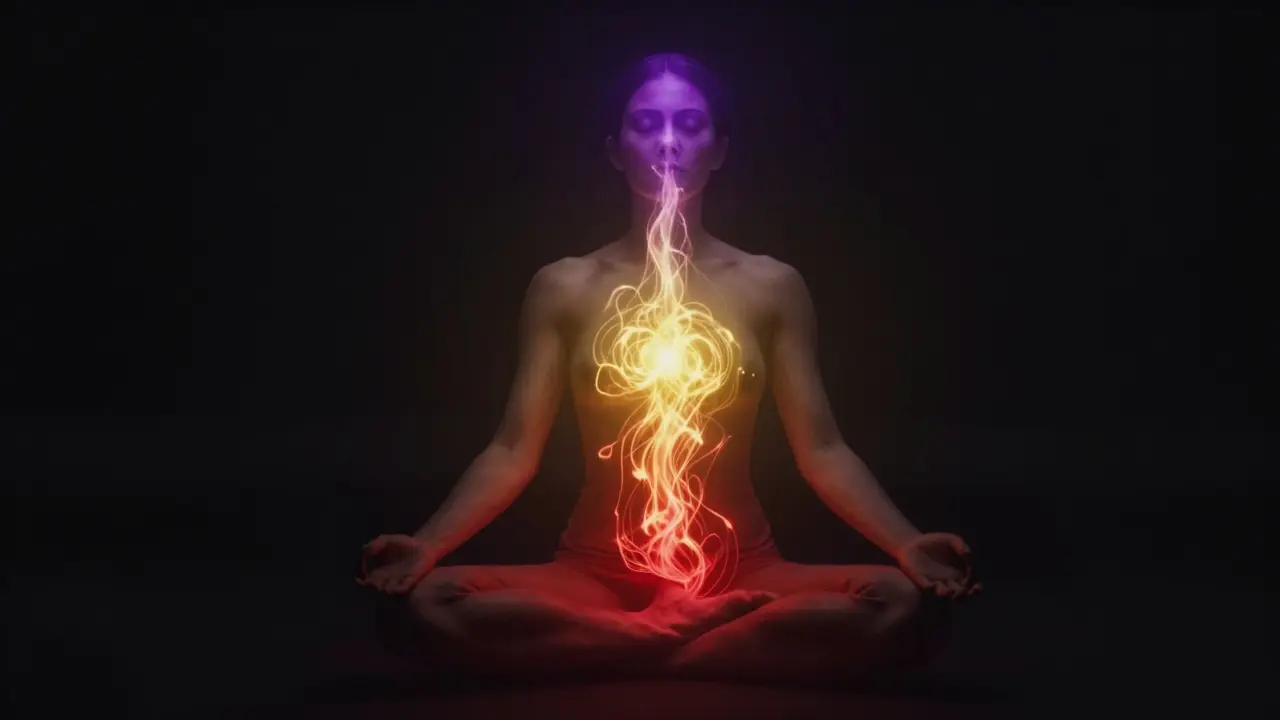
You can't have tantra without Pranayama (breath work). Breath is the vehicle that moves energy. During a massage, you'll be encouraged to breathe deeply and consciously. If you hold your breath, you hold onto tension. When you breathe into the sensation, you allow the energy generated during an intimate touch to spread from the pelvic region up into the heart and head.
This process turns a physical act into an emotional one. For a young adult, learning to connect their breath with their physical sensations is a superpower they can take into their future romantic relationships. It moves sex from a mechanical act to a spiritual exchange. You stop asking "Am I doing this right?" and start asking "What does this feel like right now?"
Navigating the Experience: What to Expect
If you've never done this before, the idea of being naked with a stranger might feel daunting. It's important to know that in traditional tantric settings, both the giver and receiver are often nude. This isn't for sexual titillation, but as a symbol of naturalness, openness, and equality. It strips away the social masks we wear and brings us back to our most basic human state.
- Communication: A good session starts with a conversation about boundaries. You should feel empowered to say no to any specific touch at any time.
- Sensation: Expect a mix of techniques. You'll feel long, sweeping movements that integrate the body, followed by pinpoint touches that awaken specific nerve endings.
- Emotional Release: Don't be surprised if you feel the need to cry or laugh. When deep-seated tension leaves the body, it often comes with an emotional wave.
- Integration: After the session, give yourself time to stay in a quiet space. The "glow" from a tantric session is a result of shifted energy, and rushing back into a loud city environment can disrupt that peace.
Practical Tips for Your First Exploration
Before booking a session, consider what you actually want. Are you looking for stress relief? Or are you trying to overcome a specific sexual insecurity? Being clear about your intent helps the practitioner tailor the experience. If you're feeling nervous, start with a non-intimate ritual and work your way up as trust is built.
Avoid viewing the massage as a "service" you are buying, and instead view it as a collaborative practice. The more you are willing to let go and trust the process, the more you will get out of it. Remember, there is no such thing as a "wrong" reaction. Whether you feel intense pleasure, numbness, or sudden boredom, all of those are valid data points in your journey of self-discovery.
Is tantric massage the same as a "happy ending" massage?
Absolutely not. A "happy ending" is a transactional sexual service. Tantric massage is a holistic wellness practice. While it may involve touching intimate areas, the goal is energy movement and mindful awareness, not the delivery of a sexual climax for the sake of gratification.
Do I have to be naked for a tantric massage?
In traditional tantric sessions, both the practitioner and the client are nude to represent openness and nature. However, if you are not comfortable with this, many professional practitioners will accommodate your boundaries or suggest starting with a clothed session or a non-intimate ritual.
Can it help with sexual dysfunction or anxiety?
Yes. Because it focuses on removing psychological blocks and the pressure to perform, it can be very effective for those dealing with performance anxiety or a disconnected feeling toward their own bodies. It teaches you to enjoy touch for the sake of touch.
How long does a typical session last?
It depends on the ritual. Basic mindful touch sessions usually last 60 to 120 minutes. More comprehensive, holistic sensory massages can last from 90 minutes up to 5 hours to allow the body and mind enough time to fully surrender and open up.
What should I do if I feel uncomfortable during the massage?
You should communicate immediately. A professional tantric practitioner values consent and boundaries above all else. You can ask them to change the pressure, move to a different part of the body, or stop the session entirely at any point.