
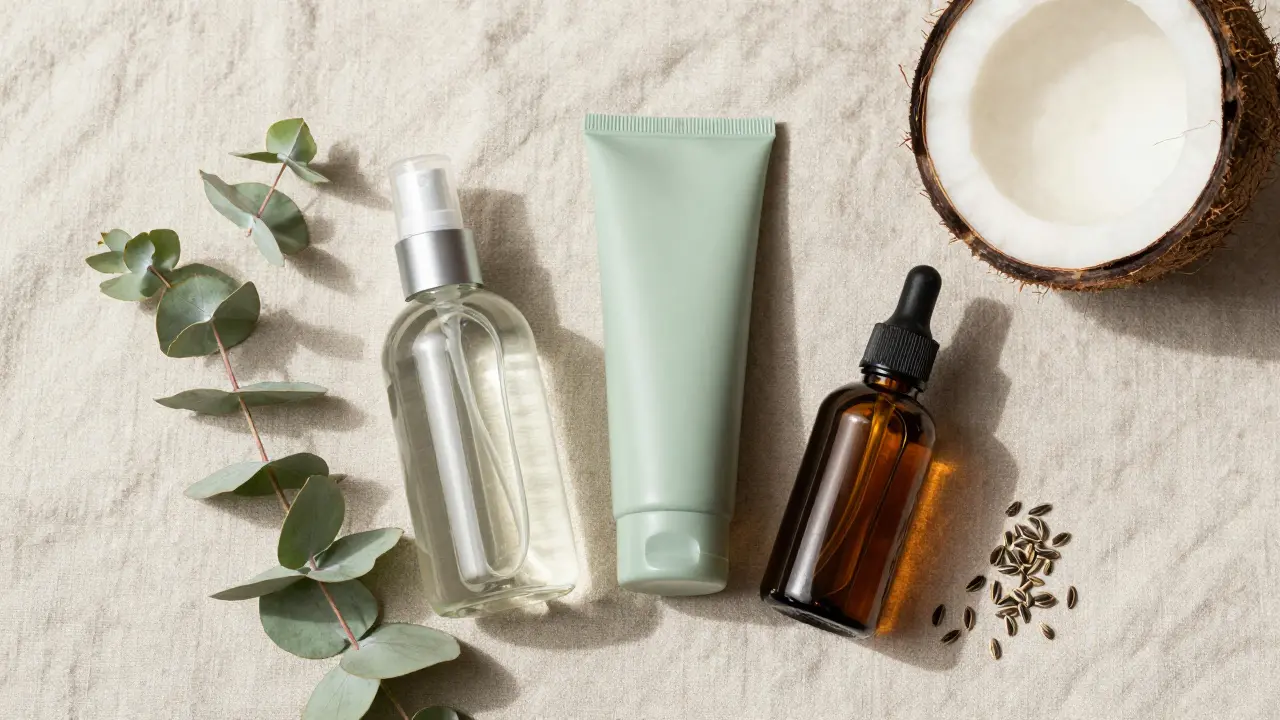
The Foundation of a Safe Yoni Experience
Choosing the right lubricant for yoni massage is a critical step in ensuring comfort, safety, and pleasure during this intimate practice isn't just about reducing friction. It's about respecting the delicate ecosystem of your body. The yoni, or vulva and vagina, is a highly sensitive area with its own natural pH balance and microbiome. Using the wrong product can lead to irritation, infections like bacterial vaginosis or yeast overgrowth, and even damage to toys if you incorporate them into your routine.
You might think all lubricants are created equal, but they aren't. The market is flooded with options ranging from cheap drugstore brands to high-end organic formulations. For yoni massage, which often involves prolonged contact and specific techniques aimed at relaxation and connection, the choice of gel dictates the quality of the experience. You need something that feels good, stays safe inside the body, and cleans up easily without disrupting your skin's health.
In this guide, we'll break down the three main types of lubricants-water-based, silicone-based, and oil-based-and explain exactly which one fits your needs. We'll look at ingredients to avoid, compatibility with toys, and how to make an informed decision based on your body's unique requirements.
Water-Based Lubricants: The Universal Choice
Water-based lubricants are the most versatile and widely recommended option for yoni massage due to their compatibility with all toy materials and ease of cleanup. They are made primarily of water, glycerin, and thickeners like cellulose or hyaluronic acid. Because they mimic the body's natural fluids, they feel familiar and comfortable on the skin.
The biggest advantage of water-based gels is their universal compatibility. If you use vibrators, dildos, or other erotic toys made from silicone, TPE, TPR, or glass, water-based lube is the only safe choice. Silicone toys will degrade and become sticky or mushy if you use silicone or oil-based lubes with them. Water-based lubricants wash off with warm water, leaving no residue on your sheets or skin.
However, there are downsides. Water-based lubes tend to dry out faster than other types. During a long yoni massage session, you might find yourself needing to reapply frequently. Some cheaper brands contain high levels of glycerin or parabens, which can disrupt the vaginal pH and cause yeast infections in susceptible individuals. Always look for "glycerin-free" and "paraben-free" labels if you have a history of sensitivities.
- Pros: Compatible with all toys and condoms; easy to clean; mimics natural moisture.
- Cons: Dries out quickly; may require frequent reapplication; some formulas contain irritants.
- Best For: Beginners, those using silicone toys, and people with sensitive skin who choose high-quality, glycerin-free formulas.
Silicone-Based Lubricants: Long-Lasting Glide
If longevity is your priority, Silicone-based lubricants offer exceptional slipperiness and durability, lasting much longer than water-based alternatives without drying out. These gels are made from dimethicone or cyclomethicone, creating a silky, smooth texture that doesn't evaporate. A small amount goes a long way, making them cost-effective over time despite often having a higher upfront price.
Silicone lubes are waterproof, meaning they stay slick even if you take your massage into the shower or bath. This can be a wonderful addition to a sensual routine, allowing for uninterrupted flow. They are also hypoallergenic and free from sugars and glycerin, which makes them a safer bet for people prone to yeast infections compared to many water-based options.
The major drawback? Compatibility. You cannot use silicone lube with silicone toys. The two silicons react chemically, breaking down the surface of the toy and ruining it. Additionally, cleaning silicone lube off your body and bedding requires soap and water, as it doesn't rinse away with just water. It can leave a greasy film if not washed thoroughly.
- Pros: Extremely long-lasting; very slippery; waterproof; glycerin-free (yeast-friendly).
- Cons: Damages silicone toys; harder to clean off skin and sheets; not compatible with latex condoms (can weaken them).
- Best For: Extended massage sessions, shower play, and users who do not use silicone toys.
Oil-Based Lubricants: Natural Sensuality
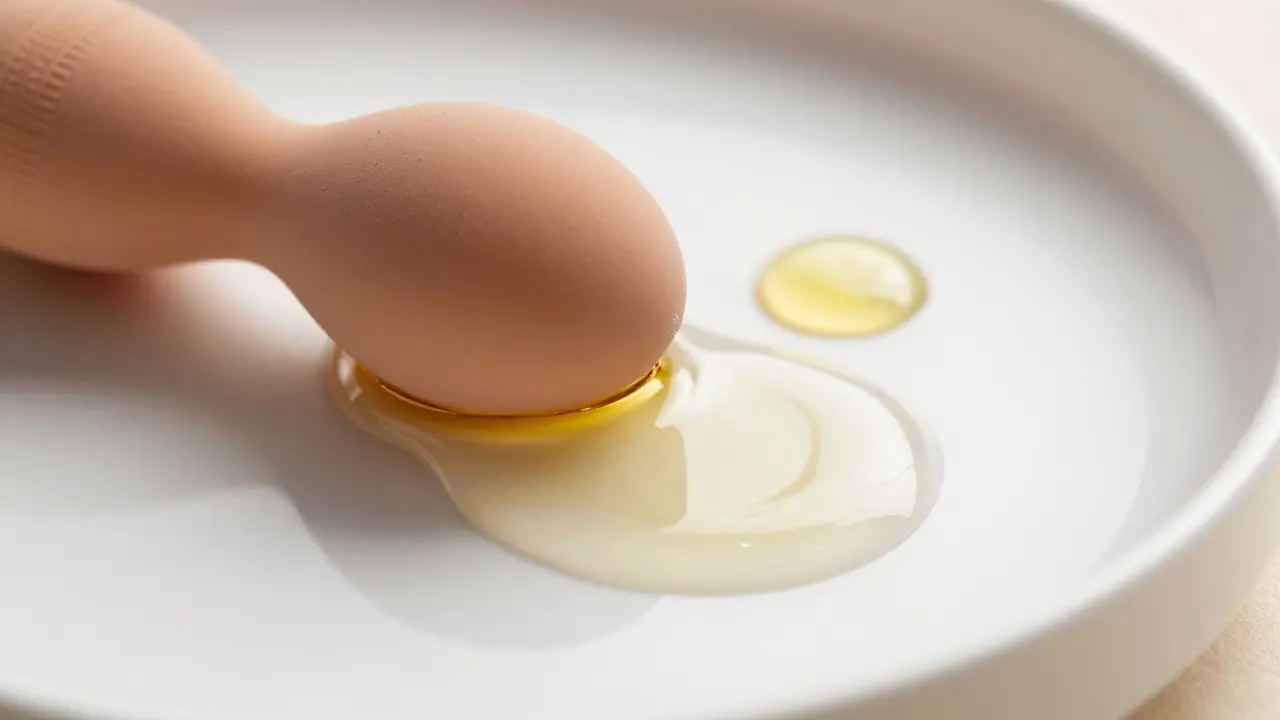
Oil-based lubricants provide a rich, natural feel that nourishes the skin, often derived from plant sources like jojoba, coconut, or almond oil. Oils have been used for centuries in massage practices worldwide because they penetrate the skin, providing hydration and a luxurious glide. For external yoni massage, where the focus is on the vulva and surrounding areas rather than internal penetration, oils can be incredibly soothing and relaxing.
Natural oils like Jojoba oil is a stable, non-comedogenic plant oil that closely resembles human sebum, making it gentle on sensitive skin are excellent choices. Jojoba doesn't go rancid easily and is less likely to clog pores. Coconut oil is popular for its scent and antifungal properties, though it can be heavy and messy. Almond oil is light and absorbs well.
Crucially, oil-based lubricants destroy latex. If you use latex condoms or have latex bed linens, oil is a strict no-go. Furthermore, while oils are great for external massage, inserting them internally can disrupt the vaginal flora more significantly than water-based lubes, potentially leading to infections. They are difficult to clean out of the body and can trap bacteria.
- Pros: Nourishes skin; long-lasting; natural ingredients; enhances tactile sensation.
- Cons: Destroys latex condoms; hard to clean; risk of disrupting vaginal pH if inserted; stains sheets.
- Best For: External-only massage, couples not using condoms, and those seeking a natural, holistic experience.
Ingredient Awareness: What to Avoid
Regardless of the base type, the ingredient list matters. Many commercial lubricants contain additives that can cause irritation, burning, or allergic reactions. When shopping for yoni massage gels, scan the label for these common culprits:
- Glycerin: While it adds thickness, high concentrations can feed yeast, leading to infections. Look for glycerin-free options if you are prone to thrush.
- Parabens: Preservatives that have been linked to hormonal disruption. Opt for paraben-free products.
- Propylene Glycol: A thickener that can cause contact dermatitis in some people.
- Fragrances and Flavors: Artificial scents and flavors are unnecessary and often irritating to mucous membranes. Unscented is always best for internal use.
- Numbing Agents: Some lubes contain benzocaine or lidocaine to delay ejaculation. Avoid these for yoni massage, as they reduce sensation and can mask pain signals that indicate injury or irritation.
Instead, look for simple, clean ingredients. Hyaluronic acid is a fantastic addition to water-based lubes, as it retains moisture and soothes tissue. Aloe vera is another gentle, anti-inflammatory ingredient suitable for sensitive skin.
Compatibility Guide: Toys and Condoms
If your yoni massage includes sex toys or barrier protection, compatibility is non-negotiable. Using the wrong combination can ruin expensive toys or compromise safety.
| Lubricant Type | Silicone Toys | Glass/Stainless Steel Toys | Latex Condoms | Polyisoprene/Polyurethane Condoms |
|---|---|---|---|---|
| Water-Based | ✅ Safe | ✅ Safe | ✅ Safe | ✅ Safe |
| Silicone-Based | ❌ Unsafe (Degrades Toy) | ✅ Safe | ⚠️ Caution (May Weaken) | ✅ Safe |
| Oil-Based | ⚠️ Check Material | ✅ Safe | ❌ Unsafe (Breaks Latex) | ✅ Safe |
Note: Most modern vibrators are made of matte silicone. Never use silicone or oil lube with them. Stick to water-based for peace of mind. If you prefer the feel of silicone lube, ensure your toys are made of glass, metal, or hard plastic.
Special Considerations: Pregnancy and Sensitivity
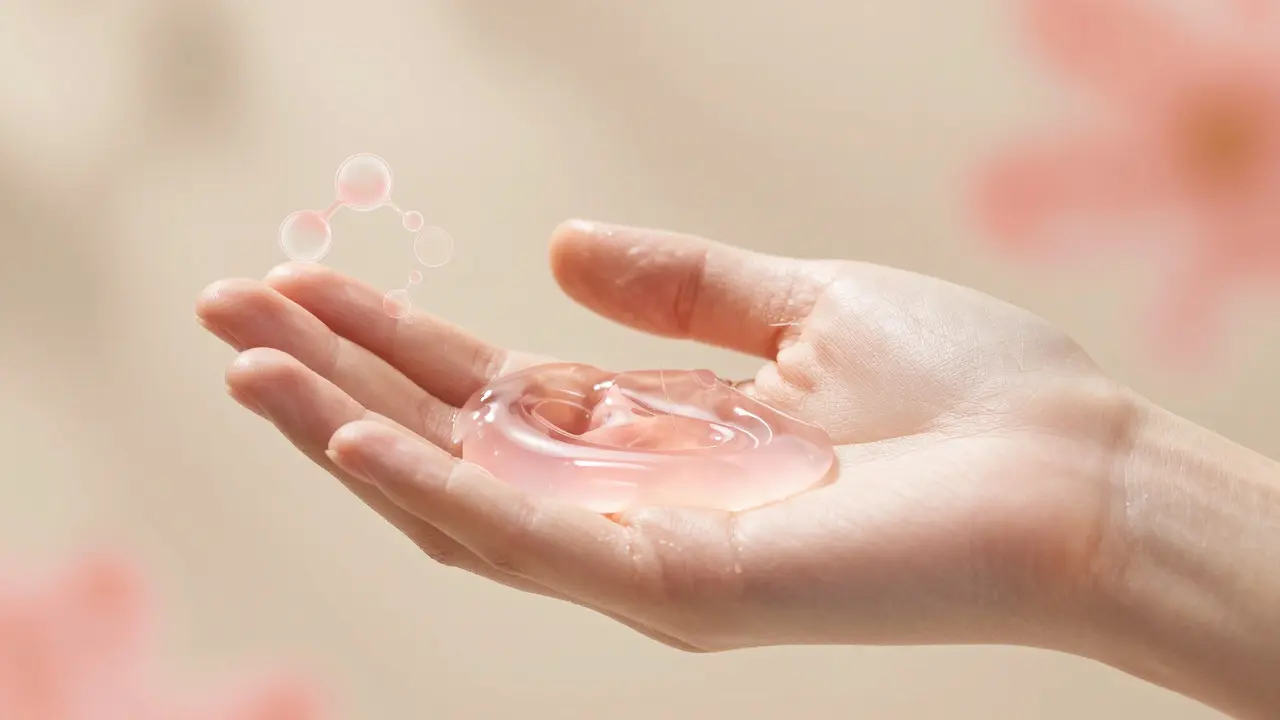
If you are pregnant or have heightened sensitivity, your body's needs change. Hormonal shifts can make tissues more vascular and sensitive. In these cases, simplicity is key. Choose a pure, medical-grade water-based lubricant or a natural oil like jojoba for external use only.
Avoid any product with warming or cooling effects, as these sensations can be overwhelming or uncomfortable during pregnancy. Prebiotic lubricants, which contain ingredients like lactobacillus or inulin, can help maintain a healthy vaginal pH balance, offering an extra layer of protection against infections. Products like Durex Intima Balance or similar prebiotic gels are designed to support the natural flora while providing lubrication.
How to Apply for Best Results
Application technique affects performance. Start with a small amount-a pea-sized drop is often enough to begin. Warm the lubricant between your hands before applying it to the yoni. Cold lube can be shocking and counterproductive to relaxation. Apply generously to both your hands and the target area. Reapply as needed, especially with water-based formulas. Remember, the goal is ease and comfort, so don't hesitate to add more if friction increases.
Frequently Asked Questions
Can I use cooking oil for yoni massage?
While some people use coconut or olive oil, it's generally not recommended for internal use. Cooking oils are not sterile and can disrupt the vaginal pH, leading to infections. They also stain sheets and are difficult to clean. If you choose oil, opt for food-grade, cold-pressed, organic oils specifically marketed for personal care, and use them externally only.
Is saliva a good lubricant for yoni massage?
Saliva is not an ideal lubricant. It contains enzymes and bacteria that can alter the vaginal pH and increase the risk of infection. It also dries out very quickly, leading to increased friction. Dedicated lubricants are formulated to be safe, pH-balanced, and long-lasting.
Why does my lubricant sting?
Stinging usually indicates an allergic reaction or sensitivity to an ingredient, such as glycerin, propylene glycol, or preservatives. It can also happen if the pH of the lubricant is too high or low for your body. Stop using the product immediately, rinse with water, and switch to a hypoallergenic, glycerin-free, and pH-balanced alternative.
Can I mix different types of lubricants?
You should never mix silicone and water-based lubes, as the silicone will separate and create a greasy mess. Mixing oil and water-based lubes is also ineffective. However, some people mix a small amount of silicone lube with water-based lube to extend its longevity, but this voids compatibility with silicone toys. It's safer to stick to one type per session.
How do I store my lubricant?
Store lubricants in a cool, dry place away from direct sunlight. Heat can degrade the ingredients and change the consistency. Keep the cap tightly closed to prevent contamination. Most lubricants have a shelf life of 1-2 years; check the expiration date on the packaging.