You just stepped out of a lingam massage. The room is dim, your body feels strangely light, and there’s a hum in your chest that wasn’t there an hour ago. You might be thinking, "Is this normal? Should I feel something specific?" If you’re waiting for a clear-headed, practical to-do list, you’ve come to the right place. Most guides tell you what happens *during* the ritual, but almost none explain what to do when you’re standing in your kitchen ten minutes later, wondering if you should drink water or go back to bed.
The truth is, the massage itself is only half the practice. The other half-integration-is where the actual shift happens. Without it, the experience remains a fleeting moment of pleasure rather than a lasting change in how you relate to your energy and body. Integration isn’t about doing more; it’s about allowing the new state to settle into your nervous system without crashing it with immediate stress. Here is how to navigate the hours and days after your session so the benefits stick.
Why Integration Matters More Than the Touch
Think of your nervous system like a computer running too many background apps. A lingam massage closes some of those apps and frees up processing power. But if you immediately open ten heavy programs (like checking work emails or arguing with a partner), the system freezes. Integration is the process of stabilizing the heightened energetic state achieved during the ritual so it becomes part of your baseline reality. According to practitioners at centers like Lažánky, this phase requires treating the experience as sacred data. You are rewiring how your brain processes touch and pleasure. Rushing this step often leads to "energetic hangovers," where you feel drained or emotionally raw instead of revitalized.
This isn’t just woo-woo talk. Physiological changes occur during deep sensory work. Your parasympathetic nervous system-the "rest and digest" mode-has been activated deeply. Jumping straight into sympathetic activation (fight or flight) disrupts the hormonal balance established during the session. You need a buffer zone. This buffer allows the oxytocin and endorphins released during the massage to circulate fully, creating a sense of well-being that lasts days, not minutes.
The First Hour: Grounding and Hydration
When you leave the studio, resist the urge to jump on social media or call someone to debrief. Your first priority is physical grounding. During the massage, your energy moved upward from the pelvic floor toward the heart and head. Now, you need to bring it down. Start by drinking warm water. Not cold, not sugary juice-warm water. It helps flush toxins released from tissues and supports lymphatic flow, which has likely been stimulated by the rhythmic strokes.
- Avoid intense conversation: Give yourself permission to say nothing. Let the silence continue.
- Walk barefoot if possible: Connecting with the earth helps discharge excess static energy.
- No caffeine: Coffee is a stimulant that can shatter the delicate meditative state you’ve entered. Wait at least four hours.
If you feel emotional tears coming, let them fall. Many men report unexpected crying after a lingam massage. This isn’t sadness; it’s the release of stored tension in the pelvic region. Holding it in creates resistance, which blocks integration. Acknowledge the emotion, breathe through it, and keep moving slowly. Your body is shedding old armor.
Daily Routine Adjustments for the Next 72 Hours
Sugama.cz notes that full integration typically takes between 24 and 72 hours. This doesn’t mean you stay in bed for three days, but you do need to adjust your pace. Treat this window as a mini-retreat within your normal life. The goal is to maintain the openness created during the ritual without forcing new experiences.
| Category | Do This | Avoid This |
|---|---|---|
| Food | Light, nourishing meals (soups, steamed veggies) | Heavy meats, alcohol, processed sugar |
| Activity | Gentle walks, stretching, journaling | High-intensity gym workouts, competitive sports |
| Mental State | Passive observation of thoughts | Over-analyzing the experience or judging it |
| Social Interaction | Quiet time with trusted partners or solitude | Loud parties, crowded bars, heated debates |
Notice the pattern here: everything is gentle. Your body is recalibrating its sensitivity thresholds. What felt normal yesterday might feel overwhelming today. That’s okay. It means your senses are waking up. Eat lighter foods because digestion takes energy away from integration. Avoid alcohol completely for at least two days; it dulls the very sensitivity you worked to expand.
Navigating Emotional Waves
Here is the part most people aren’t warned about: you might feel vulnerable, exposed, or even irritable. Why? Because the lingam massage bypasses intellectual defenses. It speaks directly to the limbic system. When those defenses drop, suppressed emotions surface. You might remember a childhood memory or feel a sudden wave of grief or joy with no obvious trigger.
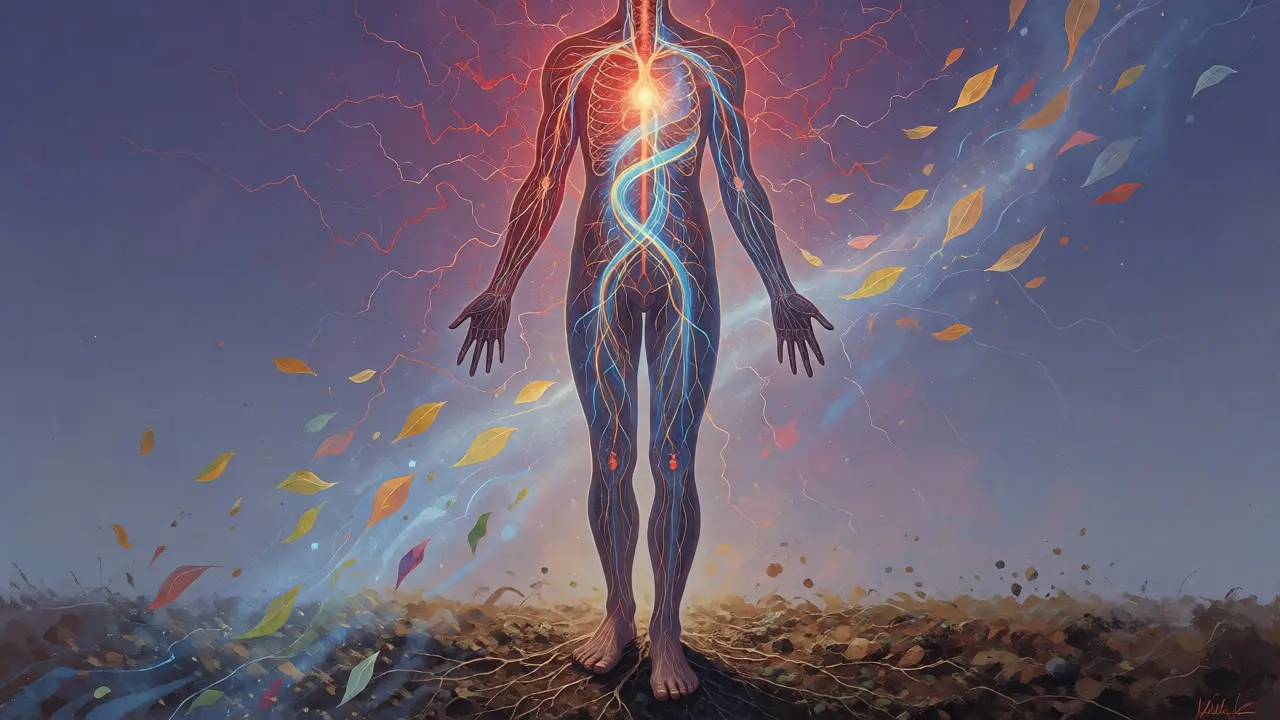
Don’t try to fix these feelings. Don’t ask, "What does this mean?" Just observe them. Imagine you are sitting on a riverbank watching leaves float by. Each leaf is an emotion. Some are bright and happy, others dark and heavy. Watch them pass without jumping into the river. This detachment is key. If you engage with every thought, you’ll exhaust yourself. If you ignore them, they’ll resurface louder later. Witnessing is the middle path.
Journaling can help, but keep it unstructured. Write whatever comes to mind. Do not edit. Do not worry about grammar. The act of writing externalizes the internal chaos, helping your brain file the experience properly. Many therapists suggest writing down one word that captures the feeling of the session. Revisit that word daily for three days. Does its meaning change? Often, it deepens.

Returning to Intimacy and Connection
If you have a partner, communicate before you see them. Tell them you’ve had a significant therapeutic experience and may need space or gentleness. They might misinterpret your quietness as distance or your sensitivity as moodiness. Setting expectations prevents conflict.
When you do reconnect physically, approach intimacy differently. Slow down. Notice how your skin feels against theirs. Is it more sensitive? Yes. Use this heightened awareness to deepen connection rather than rushing to performance. Tantra teaches that sexual energy is creative energy. Channel this new vitality into affectionate touch, eye contact, and shared presence. You don’t need to replicate the massage techniques; just carry the intention of reverence into your everyday interactions.
For those single, use this time to reconnect with yourself. Take a long bath. Listen to music that resonates with your current mood. Explore your own body with curiosity, not judgment. The goal is to build a relationship with your own pleasure center that exists independently of another person.
Signs You Are Integrating Successfully
How do you know it’s working? Look for subtle shifts in your daily life. You might find yourself smiling more easily. Colors might seem brighter. You might feel less reactive to minor annoyances. These are signs that your nervous system is settling into a higher baseline of peace.
Conversely, if you feel anxious, scattered, or overly tired after three days, you might have overstimulated yourself. Did you skip the rest period? Did you drink alcohol? Did you force a big decision? If so, scale back. Return to basics: hydration, sleep, and silence. Integration is not linear. It’s a spiral. You return to the same themes, but from a deeper level.
Remember, the purpose of lingam massage isn’t just pleasure-it’s clarity. By respecting the aftercare, you honor the work done on your body. You transform a one-hour appointment into a lifestyle shift. So, tonight, turn off the phone, drink some warm tea, and let your body speak. Listen closely. It has things to say.
Can I exercise after a lingam massage?
It is best to avoid high-intensity exercise for 24-48 hours. Gentle yoga or walking is encouraged to help ground the energy. Heavy lifting or cardio can re-activate stress hormones, disrupting the parasympathetic state achieved during the ritual.
Why do I feel emotionally raw after the session?
Lingam massage releases stored tension in the pelvic floor, which is often linked to emotional trauma or suppression. Feeling raw is a sign of detoxification. Allow yourself to cry or feel vulnerable without judgment. This is the body’s way of clearing old patterns.
How long does the integration process take?
Typically, 24 to 72 hours. During this time, prioritize rest, hydration, and low-stress activities. Full integration of deeper energetic shifts may take up to a week, depending on individual sensitivity and prior preparation.
Should I drink alcohol after a lingam massage?
No. Alcohol is a depressant and dehydrator that can blunt the heightened sensitivity and clarity gained from the massage. It is recommended to wait at least 48 hours before consuming alcohol to allow the nervous system to stabilize naturally.
What if I feel nothing after the massage?
This is common, especially for first-timers or those who are mentally guarded. Integration may happen subtly over several days. Trust the process. Sometimes the effects manifest as increased energy or better sleep rather than immediate emotional breakthroughs.