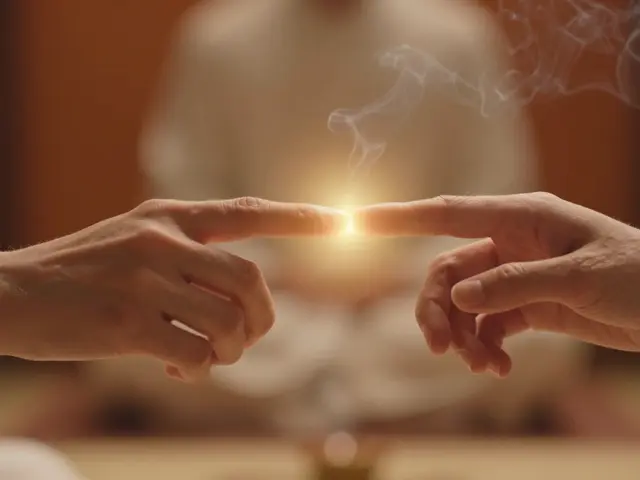

Imagine a coiled serpent sleeping at the base of your spine. For centuries, yogis and tantrics have described this as Kundalini, a dormant creative force waiting to be awakened. Most people live their lives completely unaware of this potential energy, treating their bodies merely as vehicles for daily tasks. But what if you could unlock that power? What if a simple touch could send waves of awareness rushing up your spine, clearing mental fog and igniting a deep sense of bliss?
This isn't just mystical poetry. It's a tangible physiological and energetic experience accessible through practices like tantric massage. Unlike a standard Swedish rub-down aimed at muscle knots, tantric work targets the subtle energy channels-known as nadis-that run alongside your physical nerves. When these channels are clear, Kundalini rises. When they're blocked by stress or trauma, the energy stagnates. This article breaks down exactly how this ancient mechanism works, why modern practitioners are turning back to it, and what you can realistically expect from an awakening session.
What Exactly Is Kundalini Energy?
To understand the massage, you first need to understand the fuel. In Hindu and Tantric traditions, Kundalini is defined as a primal cosmic energy located in the Muladhara chakra at the base of the spine. Think of it as a battery charged with pure life force, often referred to as Shakti or the "serpent fire." It exists in a latent state in most humans, curled up like a spring, doing nothing until triggered.
Why does it stay asleep? Life gets busy. Stress, poor posture, emotional repression, and even excessive screen time create blockages in our energetic system. These blockages act like dams in a river. The water (energy) is there, but it can't flow. When Kundalini remains dormant, you might feel physically fine but spiritually empty, creatively stagnant, or emotionally numb. Awakening this energy isn't about becoming superhuman; it's about restoring full connectivity between your body, mind, and spirit.
| Feature | Standard Massage | Tantric Massage |
|---|---|---|
| Primary Goal | Muscle relaxation, pain relief | Energy flow, spiritual connection |
| Focus Area | Physical tissue (muscles/fascia) | Subtle body (chakras/nadis) |
| Pace | Varied, often rhythmic | Slow, mindful, intentional |
| Outcome | Reduced tension | Awakened vitality, expanded consciousness |
The Role of Chakras in Energy Flow
If Kundalini is the electricity, your chakras are the circuit breakers and transformers. There are seven primary chakras aligned along your spine, each governing specific organs, emotions, and psychological states. They start at the base (Muladhara) and end at the crown (Sahasrara).
When you receive a tantric massage, the practitioner isn't just rubbing skin. They are working to open these centers. A blocked root chakra, for instance, might manifest as anxiety or lower back pain. By applying specific pressure and intention to this area, the therapist helps release stored fear, allowing the Kundalini energy to move upward into the sacral chakra (Svadhisthana), which governs creativity and sexuality. If that center is also blocked, the energy hits a wall. The goal is a smooth ascent all the way to the crown, where individual consciousness merges with universal awareness.
You don't need to be a yoga master to feel this. Many clients report sudden insights, spontaneous tears, or bursts of laughter during sessions. These aren't random reactions; they are signs of energetic release. Your body holds onto unprocessed emotions, and when the energy starts moving, those emotions surface so they can be let go.

How Tantric Massage Awakens the Serpent
So, how does the actual session trigger this awakening? It’s not magic; it’s a structured process designed to shift your nervous system from "fight or flight" to "rest and digest," while simultaneously stimulating sensory pathways.
- The Ritual of Presence: Every session begins with a grounding ritual. You might stand together, breathe deeply, and set intentions. This signals to your brain that safety has arrived. Without this psychological safety, your body won't dare to open its energetic gates.
- Sensory Variation: Practitioners use diverse tools-feathers, silk, warm oils, and varying pressures. Why? Because monotony puts the brain to sleep. Variety keeps your senses alert and forces you to stay present in your body. This heightened awareness is crucial for feeling the subtle shifts of energy.
- Targeting the Spine: Much of the work focuses on the back and the spinal column. Since the central channel (Sushumna Nadi) runs here, releasing tension along the spine directly facilitates the upward movement of Kundalini. Techniques often include long, slow strokes with hot towels or oil, combined with gentle vibration.
- Perineal Work: Often called the "root lock," work around the perineum is key. This area is dense with nerve endings and is closely linked to the Muladhara chakra. Gentle, respectful attention here can unlock significant amounts of trapped sexual and creative energy.
It is important to note that while tantra has roots in sexuality, a therapeutic tantric massage is primarily about energy, not orgasm. The sexual energy is used as fuel for spiritual expansion, not necessarily as a destination. Many practitioners emphasize that the goal is to circulate this energy throughout the whole body, rather than letting it pool in the genitals.
Signs That Your Kundalini Is Rising
How do you know if it’s working? The symptoms vary wildly from person to person, but there are common markers. Some people describe a sensation of heat rising up their spine. Others feel tingling in their hands or feet. Emotional volatility is also common-you might feel suddenly joyful, sad, or angry without a clear external cause.
Here are a few concrete indicators:
- Spontaneous Movements: Known as Kriyas, some people experience involuntary shaking, jerking, or curling. This is the body’s natural way of discharging excess energy or breaking through blocks.
- Heightened Sensitivity: Sounds may seem louder, colors brighter, and textures more vivid. Your senses become sharper because your awareness is no longer clouded by mental noise.
- Deep Relaxation Mixed with Alertness: You feel profoundly relaxed yet mentally sharp. This paradoxical state is often described as "alert calm."
- Emotional Release: Crying, laughing, or sighing deeply are frequent occurrences. These are releases of stored tension in the fascia and energetic field.
Don’t worry if you don’t feel anything dramatic the first time. Energetic blockages take time to dissolve. Consistency matters more than intensity. One powerful session can crack the door open, but regular practice widens the path.
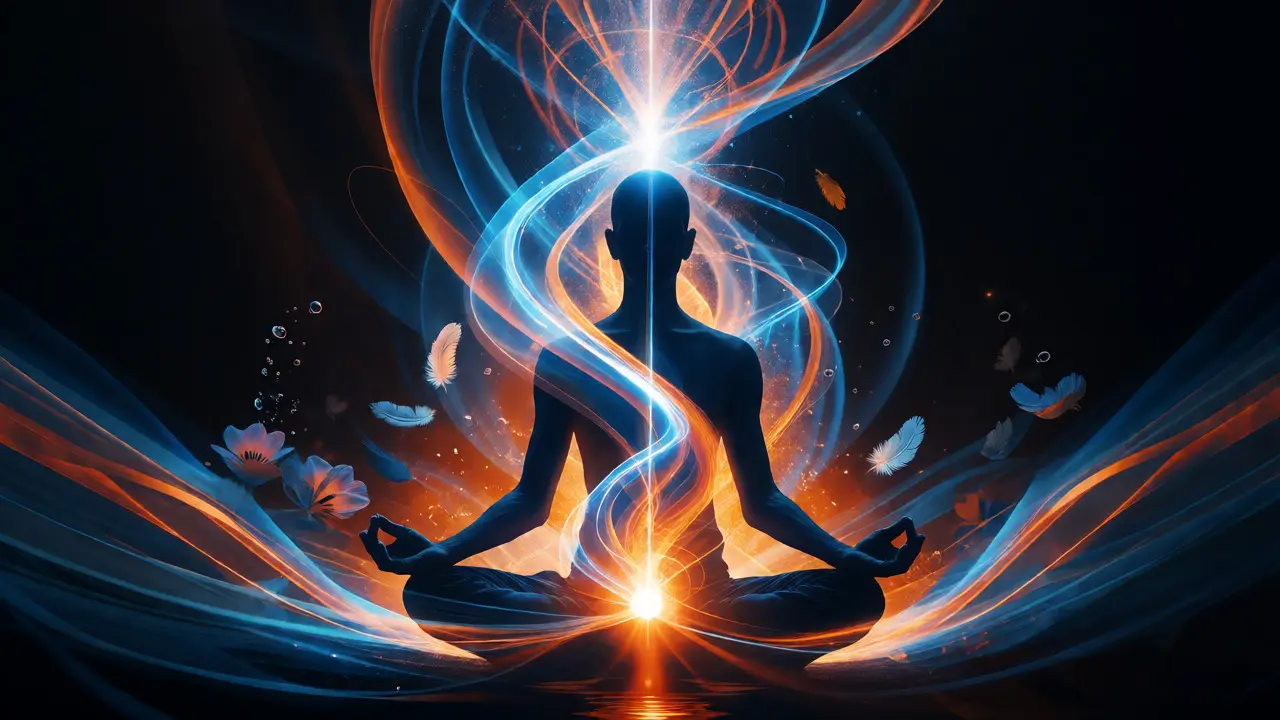
Common Misconceptions About Kundalini Awakening
Let’s clear up some myths. First, Kundalini awakening isn't always pleasant. While bliss is a possible outcome, the initial phase can be uncomfortable. If you’ve been suppressing emotions for years, forcing them out can feel overwhelming. This is sometimes called a "Kundalini crisis," though that term sounds scarier than it usually is. With proper guidance, these sensations pass quickly.
Second, you don't need to be sexually active to benefit. While the energy is rooted in the pelvic floor, its expression is creative and vital, not just reproductive. Artists, entrepreneurs, and healers often seek this awakening to boost their creative output.
Third, it’s not a one-time event. Enlightenment isn't a switch you flip. It’s a gradual unfolding. Each massage builds upon the last, slowly clearing deeper layers of resistance. Patience is your best friend on this journey.
Preparing for Your Session
To get the most out of your experience, preparation is key. Hydrate well before and after the session. Water helps flush out toxins released during the energetic shift. Eat light beforehand-heavy meals draw blood away from the digestive tract and can make you feel sluggish.
Communicate openly with your practitioner. Tell them about any past traumas, injuries, or areas you’re sensitive about. Consent and comfort are non-negotiable. If you feel safe, your nervous system will relax, allowing the energy to flow more freely. Remember, the practitioner is a guide, not a magician. Your willingness to surrender control is what allows the awakening to happen.
After the session, give yourself space. Avoid jumping straight into high-stress environments. Take a walk, journal your feelings, or simply rest. Integration is part of the process. The insights you gain during the massage need time to settle into your daily life.
Is Kundalini awakening dangerous?
For most healthy individuals, it is safe when guided by an experienced practitioner. However, those with severe psychiatric conditions or recent heart issues should consult a doctor first. Unsupervised, intense practices can sometimes lead to discomfort or anxiety, known as "Kundalini syndrome," but therapeutic massage is generally gentle and manageable.
Do I need to be naked for a tantric massage?
Typically, yes, nudity is common to allow unrestricted access to energy centers and remove barriers of clothing. However, boundaries are respected. You can choose to keep underwear on, and the practitioner will only uncover areas being worked on. Comfort and consent are paramount.
How often should I get a tantric massage for Kundalini awakening?
Frequency depends on your goals and budget. For significant progress, once every two weeks to monthly is ideal. Regular sessions help maintain the flow of energy and prevent new blockages from forming. Start with a single session to see how your body responds.
Can men experience Kundalini awakening too?
Absolutely. Kundalini is a human energy, not gender-specific. Men often report increased vitality, clarity, and emotional depth. The techniques are adapted slightly to suit male anatomy, particularly regarding prostate health and pelvic floor engagement.
What if I fall asleep during the massage?
Falling asleep is common and beneficial. It indicates deep relaxation and trust. Even if you're unconscious, your body continues to process the energy input. You may wake up feeling refreshed and subtly different. Don't force yourself to stay awake; let your body decide what it needs.