When you're doing a tantric massage, the oil isn't just a lubricant. It’s part of the ritual. It carries scent, warmth, intention. But if it’s stored wrong, it can turn from a tool of connection into a health risk. Bacteria. Mold. Rancid oil. These aren’t just theoretical problems - they happen. And when they do, they ruin more than the experience. They can cause skin reactions, infections, or even allergic emergencies. This isn’t about being overly cautious. It’s about respecting the body - yours and your partner’s.
What Oils Are Safe for Tantric Rituals?
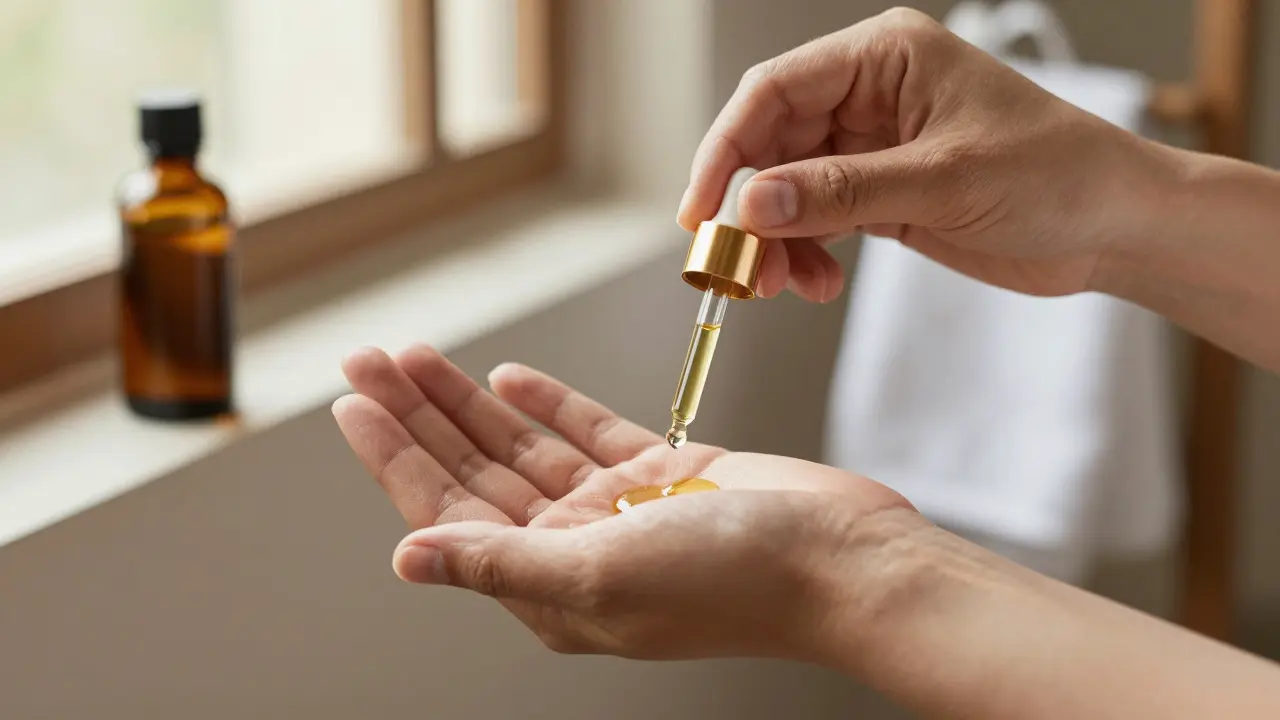
Not all massage oils are created equal. The best oils for tantric practice are cold-pressed, unrefined, and free of synthetic additives. Common choices include sweet almond oil, coconut oil, sesame oil, grapeseed oil, and argan oil. These oils absorb slowly, glide smoothly, and nourish the skin without clogging pores. Some practitioners add essential oils like sandalwood, rose, or ylang-ylang for their calming, sensual scents. But here’s the catch: essential oils are concentrated. Even a few drops can trigger reactions if the base oil is old or contaminated.A commercial blend like the Orgie Tantric Love Ritual Sensual Massage Vegetable Oil is a blend of sweet almond, grapeseed, sunflower, and argan oils with orchid and red fruit fragrances, designed specifically for tantric massage and extended foreplay works well because it’s formulated for skin sensitivity and slow absorption. But even store-bought oils can go bad. Check the expiration date. Smell it. If it smells like old nuts or crayons, throw it out.
Storage Conditions: Temperature, Light, and Air
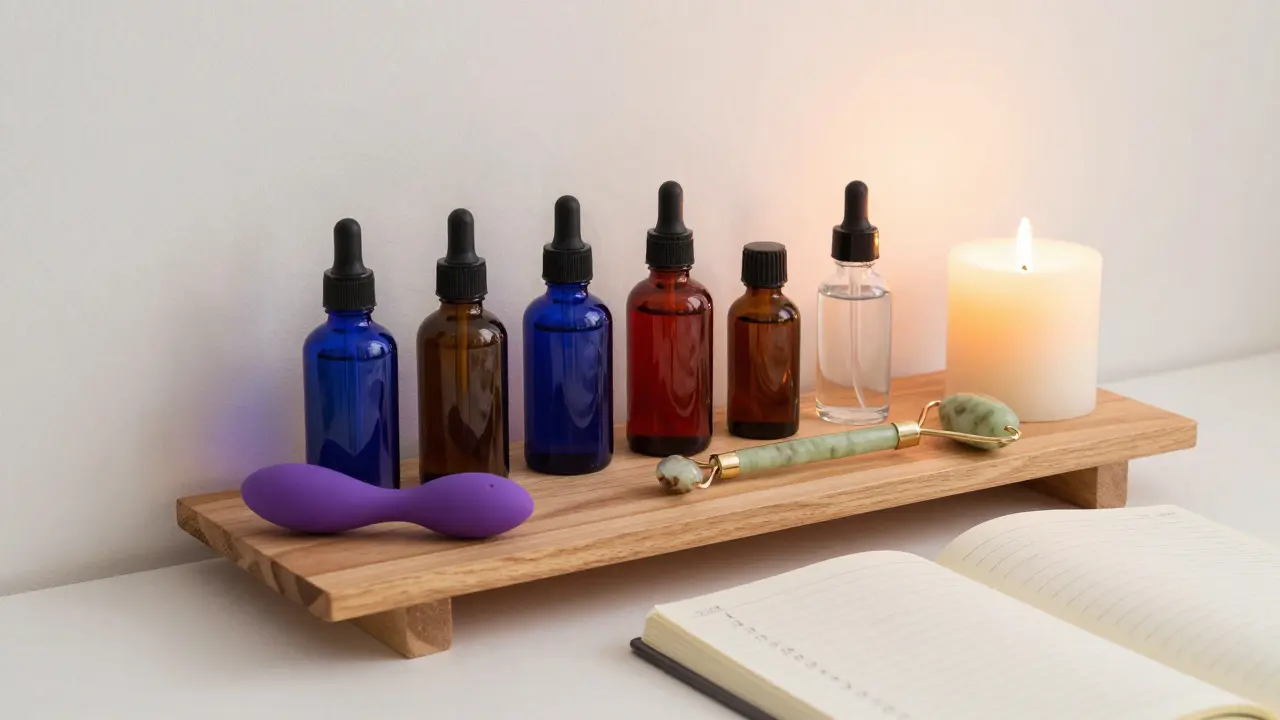
Oils degrade when exposed to heat, light, and air. That’s chemistry. Not magic. Storing your oils on a windowsill? Bad idea. Sunlight breaks down the fatty acids, turning them rancid. Keeping them near a heater or radiator? Worse. Heat speeds up oxidation. That’s why the best storage spot is a cool, dark cupboard - not the bathroom, not the bedside table, not the shelf above your candle holder.Use dark glass bottles - amber or cobalt blue - to block UV light. Glass is better than plastic because plastic can leach chemicals into the oil over time. Always seal the bottle tightly. Even a loose cap lets air in, and air is the enemy of fresh oil. If you use oil weekly, keep a small bottle (50-100 ml) for daily use. Store the rest in the fridge. Yes, the fridge. Coconut oil solidifies below 24°C, but that’s fine. It melts back to liquid when warmed by your hands. Refrigeration extends shelf life by months.
Clean Tools, Clean Skin
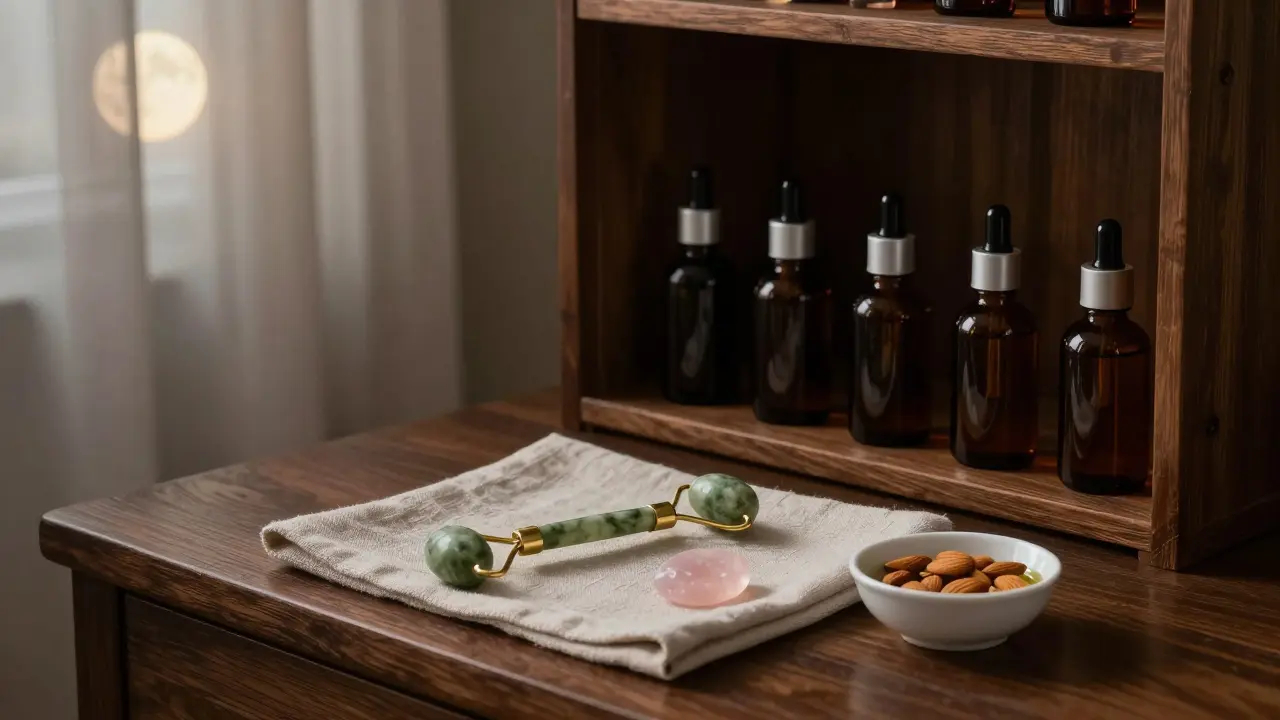
Your hands are the main tool. Wash them before every session. Use antibacterial soap. Don’t skip this. Even if you just washed them an hour ago. Sweat, dead skin, bacteria - they all add up. If you’re massaging someone else, wash your hands again after using the bathroom or touching your face.For tools like jade rollers, rose quartz stones, or silicone vibrators, cleaning is non-negotiable. Jade and rose quartz are porous. They absorb oils and bacteria. Never use alcohol, bleach, or harsh cleaners on them. Instead, rinse under lukewarm water with a drop of baby shampoo. Dry with a clean, lint-free towel. Some practitioners leave them out overnight under moonlight for energetic cleansing - that’s personal. But physically, they need to be clean first.
Silicone tools? Boil them in water for five minutes. That’s the gold standard. If they have electronics, don’t submerge them. Instead, wipe them down with a disinfectant spray made for intimate gear - the kind labeled safe for mucous membranes. Never mix these with household cleaners. Bleach eats silicone. Alcohol cracks it. And once it’s cracked, bacteria hide in the micro-grooves.
Linens, Towels, and Surfaces
You wouldn’t use a dirty towel to wipe your face after a workout. Why use one for a tantric massage? Every session needs fresh, clean linens. Single-use towels are ideal. If you reuse them, wash them in hot water with unscented detergent. No fabric softener. Fragrances can irritate sensitive skin. Mats and tables? Wipe them down with a disinfectant after each use. Don’t just wipe with a damp cloth. Use a spray designed for medical or intimate surfaces. Let it sit for 10 seconds before wiping dry.Also, don’t let pets near your massage space. Fur, dander, saliva - they all carry microbes. Keep the room clean. No clutter. No open food. No shoes. This isn’t about perfection. It’s about reducing risk.
When to Throw Oil Away
Oils have a shelf life. Even unopened. Sweet almond oil lasts 6-12 months. Coconut oil lasts up to 2 years. Grapeseed oil? Only 3-6 months. Once opened, the clock starts ticking faster. Here’s how to tell if oil is bad:- Smell: Rancid = sour, bitter, like crayons or old nuts
- Texture: Slimy, sticky, or grainy
- Color: Darker than when you bought it
- Feel: Leaves a greasy residue that doesn’t absorb
If any of these happen - toss it. No exceptions. Rancid oil doesn’t just smell bad. It causes inflammation. It can trigger eczema flare-ups. In rare cases, it leads to infections. Better to spend $15 on a new bottle than risk a reaction that lasts weeks.
Hygiene as Ritual
Tantric practice isn’t just about pleasure. It’s about presence. Cleaning your tools, storing your oils properly, washing your hands - these aren’t chores. They’re part of the ritual. When you take time to wipe down your jade roller with intention, you’re not just removing oil. You’re clearing space. You’re honoring the body. You’re saying: this moment matters.Some practitioners label their tools. Blue for face, red for body, clear for intimate use. Color-coding prevents cross-contamination. Others keep a log: date opened, date used, condition noted. It sounds excessive. But think about it: if you wouldn’t use expired toothpaste, why use expired massage oil?
What Not to Do
- Don’t store oils in the bathroom. Humidity ruins them.
- Don’t use plastic containers. They leach chemicals.
- Don’t reuse towels without washing. Bacteria thrive in damp fabric.
- Don’t add water to oil. Water breeds mold.
- Don’t mix oils from different bottles. Contamination spreads fast.
- Don’t skip handwashing. Even if you’re alone.
And never, ever use baby oil or mineral oil. They’re petroleum-based. They don’t nourish skin. They just sit on top. Worse, they trap bacteria against the skin. They’re fine for babies’ diapers. Not for tantric rituals.
Final Checklist
Before your next session, ask yourself:- Is the oil stored in a dark glass bottle, away from heat and light?
- Has the oil been opened for more than 6 months? If yes, test it.
- Are your hands clean? Did you wash with soap?
- Are your tools washed and dried? No moisture left behind?
- Are linens fresh? No old scent? No stains?
- Is the space free of pets, dust, and clutter?
If you answer yes to all, you’re ready. Not just physically. Mentally. Spiritually. Because hygiene isn’t just about cleanliness. It’s about care. And in tantric practice, care is the deepest form of intimacy.
Can I refrigerate all massage oils?
Yes, most natural oils benefit from refrigeration, especially those with short shelf lives like grapeseed or hemp seed oil. Coconut oil will solidify but returns to liquid at body temperature. Avoid refrigerating oils with essential oil blends if they separate - shake gently before use. Never freeze oils; it damages their molecular structure.
How often should I clean my massage tools?
Clean tools after every use. For stone tools, rinse with lukewarm water and baby soap. For silicone, boil or use a dedicated intimate disinfectant. Even if you don’t use them daily, clean them at least once a week. Moisture and oil residue attract bacteria even when unused.
Is it safe to use essential oils directly on the skin?
Never apply undiluted essential oils directly to skin. They’re too potent. Always mix them into a carrier oil like almond or coconut oil at a ratio of 1-2 drops per tablespoon. Even then, do a patch test on your inner wrist first. Some people react to rose or ylang-ylang - especially if the oil is old or oxidized.
Can I reuse massage oil after a session?
No. Once oil touches skin, it picks up bacteria, sweat, and dead cells. Reusing it risks cross-contamination. Even if it looks clean, it’s not sterile. Always use fresh oil for each session. If you’re doing a solo ritual, still use a new portion. Don’t pour leftover oil back into the main bottle.
What’s the best way to disinfect massage tables?
Use a disinfectant spray labeled for intimate or medical surfaces. Spray, let sit for 10 seconds, then wipe with a clean microfiber cloth. Avoid bleach, ammonia, or vinegar - they degrade fabric and leave residue. For wooden tables, use a mild soap solution and dry immediately. Never let moisture sit.