You don’t need a spa budget or a certified therapist to experience the deep connection of tantric massage. In fact, your living room can become a sanctuary if you set the stage correctly. Most people fail because they treat it like a quick rub-down rather than a ritual. They skip the prep work, get interrupted by a phone notification, or realize halfway through that the room is too cold. The difference between a mediocre evening and a transformative experience lies almost entirely in the environment.
Think of your home preparation as building a container for intimacy. If the container leaks-through noise, light, or discomfort-the energy escapes before you even begin. This guide breaks down exactly how to curate that space so both partners can drop their defenses and truly connect.
Creating the Visual Sanctuary with Light
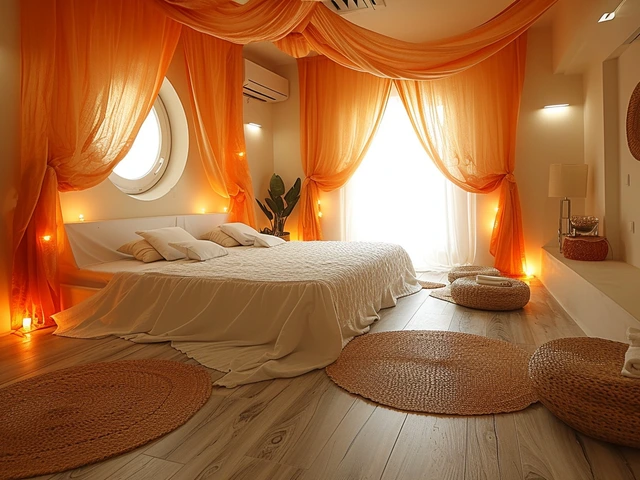
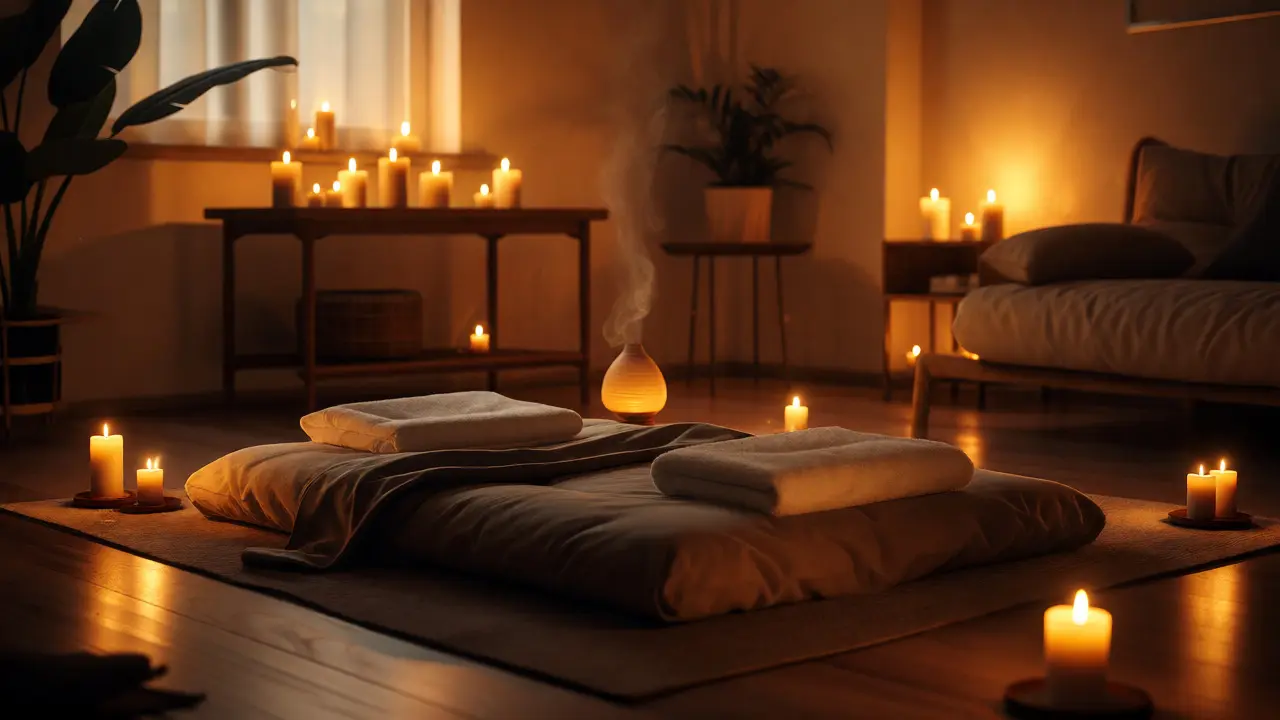
Harsh overhead lighting is the enemy of relaxation. It triggers our "doing" brain, keeping us alert and analytical. For a tantric session, you want to activate the parasympathetic nervous system, which thrives in softness and shadow. Turn off the big lights. Instead, rely on candles and dimmable lamps.
Why candles? Because the flickering flame has a hypnotic quality that naturally slows down breathing. It mimics the rhythm of life without demanding attention. Place them at eye level or lower, creating a warm glow that hides insecurities about body image. If you’re worried about safety, LED candles with real-wax bases offer the same visual warmth without the fire risk. The goal isn’t pitch darkness; it’s a golden haze that invites closeness.
The Temperature Factor: Warmth Equals Safety
Here is a physiological truth many overlook: we cannot fully relax if we are cold. When your body feels chilly, muscles tense up to preserve heat, making deep tissue work difficult and shallow breathing inevitable. Before you start, crank up the thermostat. Aim for a temperature slightly warmer than what you’d find comfortable while sitting still in clothes-around 75°F (24°C) is often ideal.
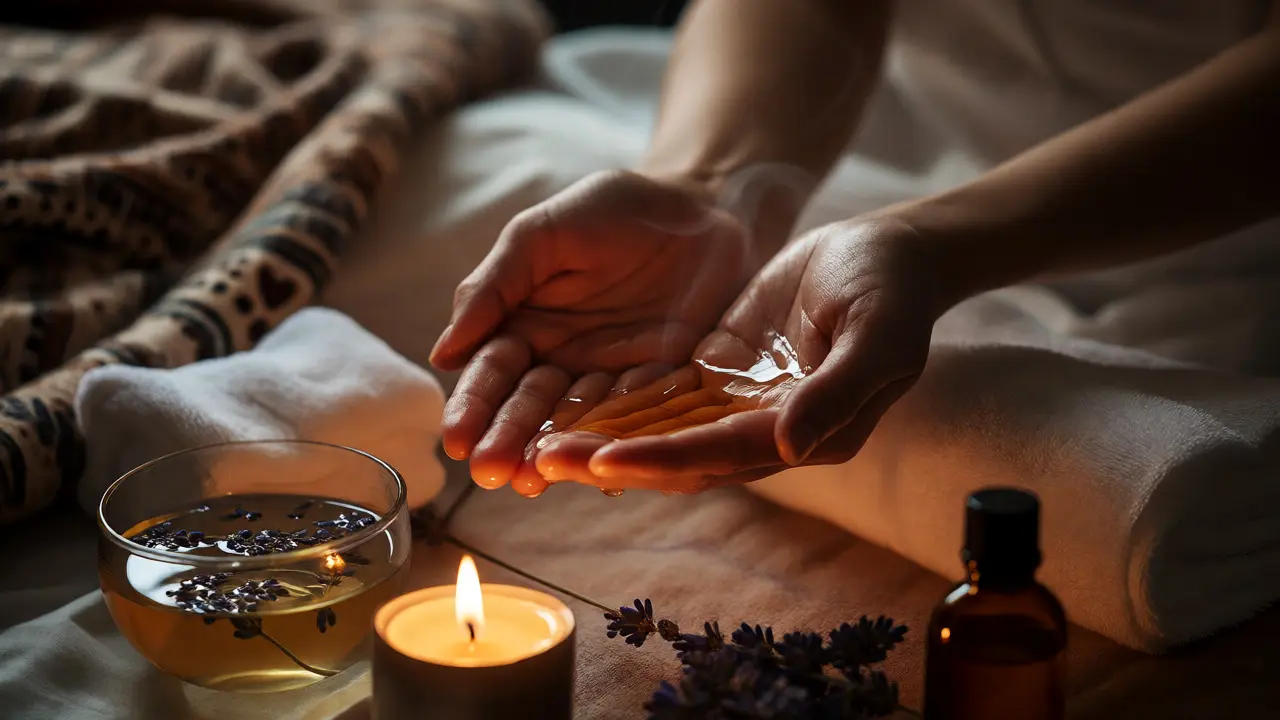
Have extra blankets ready. Not just for covering up, but for strategic warmth. A heated blanket or a hot water bottle placed under the lower back can instantly melt tension. Warm hands are also crucial. Rub your palms together vigorously or hold them over a candle flame (carefully!) for a few seconds before touching your partner. Cold fingers breaking the skin contact can jolt someone out of their meditative state.
Aromatherapy: Engaging the Olfactory Brain
Your sense of smell bypasses the logical brain and goes straight to the limbic system, where emotions and memories live. You can hack this system with scent. Don’t just grab any air freshener; choose essential oils intentionally based on the mood you want to create.
- Lavender: Best for calming anxiety and slowing the heart rate. Perfect if one or both partners had a stressful day.
- Ylang Ylang: Known as an aphrodisiac, it helps open the heart and encourages sensuality.
- Sandalwood: Grounding and spiritual, great for deeper, slower sessions focused on presence.
- Citrus (Bergamot): Use sparingly if you want a lighter, more energetic vibe, though it’s less traditional for deep tantric work.
Use a diffuser or an aroma lamp. Avoid burning incense sticks directly if you have sensitive lungs; the smoke can be overpowering. A few drops of oil in a bowl of hot water near a radiator works surprisingly well if you don’t have special equipment.
Soundscapes: Curating the Audio Backdrop
Silence can be awkward if you aren’t used to it. Background noise fills the gaps and prevents the mind from wandering to tomorrow’s grocery list. But not all music works. Avoid tracks with lyrics or sudden beats. You want ambient soundscapes, slow instrumental music, or nature sounds like rain or ocean waves.
Create a playlist beforehand. Do not let someone fiddle with Spotify during the session. The volume should be low enough that you can whisper comfortably but loud enough to mask household noises like traffic or neighbors. Some couples find that matching their breath to the rhythm of the music creates a synchronized feedback loop, deepening the bond.
The Physical Setup: Comfort and Protection
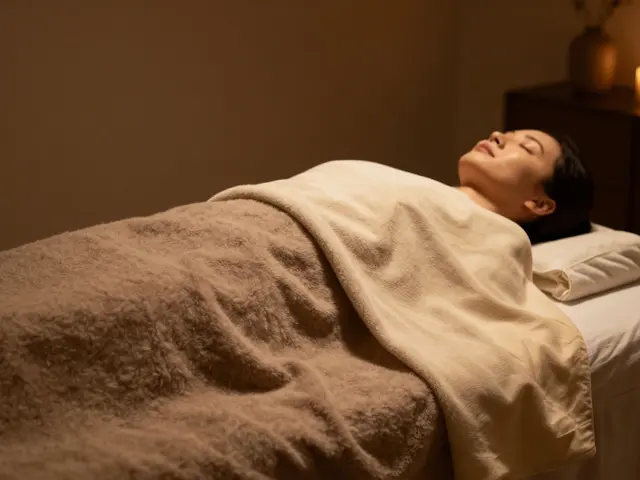
You don’t need a professional massage table. A firm mattress or a thick yoga mat on the floor works perfectly fine. However, oil gets everywhere. If you use a bed, protect it. Disposable paper sheets are cheap insurance against stained linens. Alternatively, use old towels or dark-colored sheets you don’t mind sacrificing.
| Item | Purpose | Pro Tip |
|---|---|---|
| Massage Oil | Reduces friction, hydrates skin | Warm the oil in your hands before applying |
| Soft Towels | Protection and modesty | Keep one nearby to wipe excess oil |
| Blankets | Temperature regulation | Layer them so you can adjust easily |
| Water/Tea | Hydration post-massage | Herbal tea aids digestion and calm |
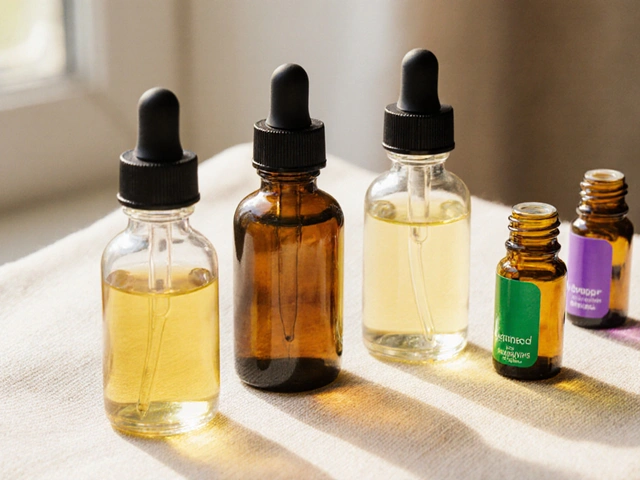
Choose the right oil. Coconut oil is popular but can stain sheets heavily. Jojoba or almond oil absorbs better and leaves less residue. Whatever you choose, ensure it’s unscented if you’re using separate aromatherapy, or lightly scented if you prefer simplicity. Never use baby lotion; it dries too quickly and creates drag.
Eliminating Distractions: The Digital Detox
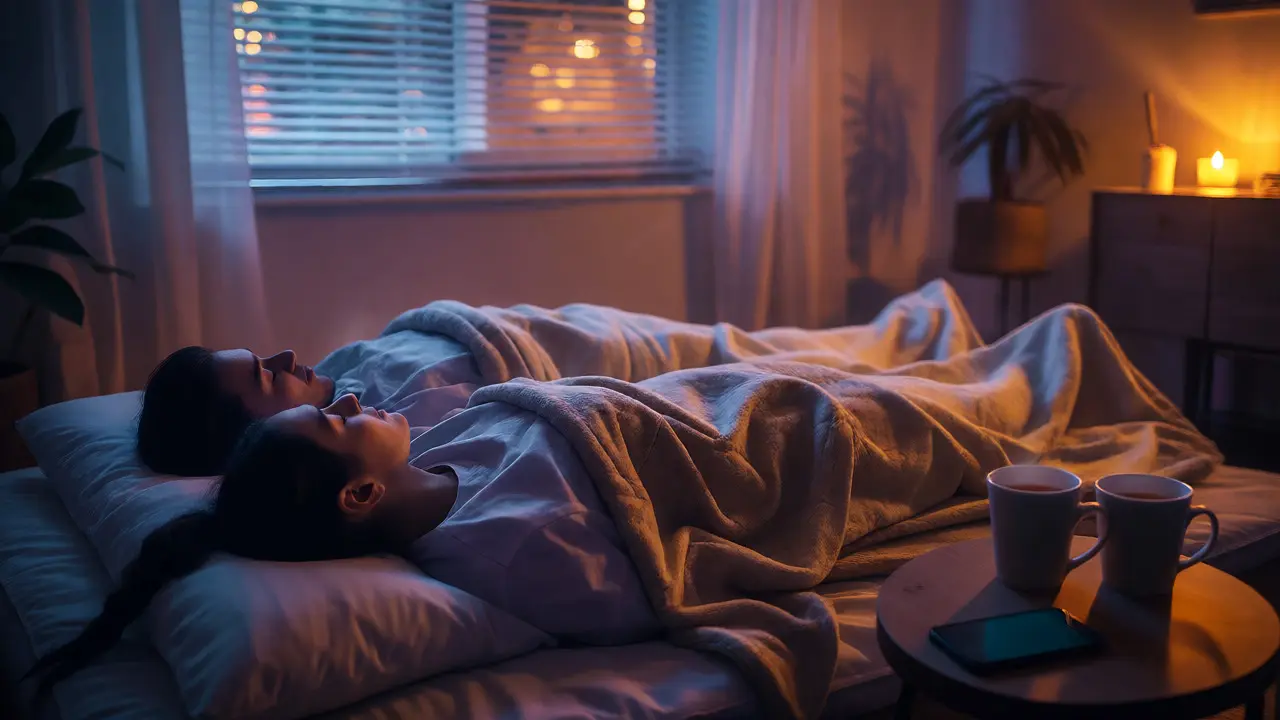
This is non-negotiable. Put your phones in another room. Not on silent-off, or at least on airplane mode. The mere presence of a smartphone on a nightstand signals to the brain that you are available for interruption. A vibrating buzz can shatter the fragile trance state you’ve built.
Close the blinds to block streetlights and passing cars. If you have pets, consider whether they will disrupt the flow. Sometimes, having a cat jump on the bed adds charm; other times, it breaks the spell. Decide beforehand. If you have young children, negotiate clear boundaries. "Mom and Dad are resting" might need to be replaced with a firm lock on the bedroom door.
The Ritual of Closing
Many people rush the end. The massage finishes, and they immediately stand up, stretch, and check their emails. This abrupt transition can leave you feeling disconnected or irritable. Plan a closing ritual.
Spend five minutes lying still after the last stroke. Let the sensations settle. Then, wrap up in a warm blanket. Have a pot of herbal tea ready on a side table. Sipping something warm helps ground you back into reality gently. Talk softly about what felt good, but avoid critiquing technique. Keep the conversation gentle and appreciative. This closure seals the experience, making it easier to return to daily life without losing the peace you cultivated.
Troubleshooting Common Environmental Failures
If things feel off, check these common pitfalls:
- Too bright: Are you seeing each other’s facial expressions too clearly? Dimmer lights reduce performance anxiety.
- Too cold: Is one partner shivering? Add layers. Shivering releases cortisol, which kills relaxation.
- Slippery surfaces: If you’re on a hard floor, ensure the mat doesn’t slide. Use a rug underneath.
- Smell overload: Too much fragrance can cause headaches. Less is more.
Remember, the environment is a tool, not a test. If a candle blows out, laugh about it and light another. If the music skips, fix it or turn it off. Flexibility is part of the tantric mindset. By preparing your home thoughtfully, you signal to your partner that this time is sacred, protected, and entirely yours.
Do I need a specific type of massage oil for tantric massage?
While you can use any body-safe oil, jojoba, sweet almond, or coconut oil are best because they glide smoothly and absorb slowly, allowing for long strokes. Avoid lotions or creams, as they dry too fast and create friction. Always do a patch test for allergies first.
How long should I prepare the room before starting?
Allow at least 15-20 minutes for setup. This includes cleaning the space, setting up lighting, warming the room, and arranging towels. Rushing the setup often leads to forgetting key elements like water or blankets, which disrupts the flow later.
Can I use my bed instead of a massage table?
Yes, absolutely. Just ensure the mattress is firm enough to support movement. Protect the bedding with disposable sheets or old towels. A softer surface can actually enhance comfort for longer sessions, provided you have proper leverage.
What kind of music is best for a tantric massage?
Instrumental, ambient, or nature sounds work best. Avoid songs with lyrics or heavy bass. The music should be background texture, not a focal point. Slow tempos (60-80 BPM) help synchronize breathing.
Is it necessary to use aromatherapy?
It’s not strictly necessary, but highly recommended. Scent is a powerful trigger for relaxation and memory. Even a simple lavender spray can shift the mental state. If you dislike strong smells, stick to neutral air circulation or mild citrus.