Have you ever felt a sudden rush of warmth or a strange tingling in your chest during a deep, slow massage? It’s not just muscle relaxation. For many, that sensation marks the moment their Anahata, also known as the heart chakra, begins to open. While traditional yoga and meditation are the go-to methods for balancing this energy center, intimate massage offers a unique, tactile pathway to unlock it. This isn’t about sexual performance; it’s about emotional connectivity. By understanding how touch interacts with energy centers, you can transform a physical session into a profound spiritual experience.
Understanding the Heart Chakra (Anahata)
The heart chakra is the fourth primary energy center in the subtle body system. Located at the center of the chest, it acts as a bridge between the lower three chakras, which deal with survival, creativity, and power, and the upper three, which relate to communication, intuition, and consciousness. In Sanskrit, Anahata means "unstruck" or "soundless," referring to the idea that the sound of this chakra is made without striking two things together-it resonates from within.
When balanced, the heart chakra allows you to give and receive love freely. When blocked, you might feel isolated, critical, or emotionally cold. If it’s overactive, you might struggle with boundaries, becoming overly dependent on others’ approval. The goal isn’t just to "open" it wide, but to find equilibrium. According to practitioners like Halina Čermáková, balance means feeling connected to life and others while clearly distinguishing your own emotions from those around you.
Why Touch Matters for Energy Flow
You might wonder why massage specifically helps with an energy center usually addressed through breathing exercises. The answer lies in the element associated with Anahata: air. Air represents movement, expansion, and connection. Physical touch, especially when slow and intentional, creates a feedback loop between the skin and the nervous system. This sensory input calms the sympathetic nervous system (fight or flight) and activates the parasympathetic response (rest and digest).
This physiological shift lowers cortisol levels and increases oxytocin, often called the "cuddle hormone." As the body relaxes, energetic blockages in the chest area-often caused by stress, grief, or defensive posture-begin to soften. The skin is the largest organ of the body, and it is directly linked to our sense of self and safety. When you feel safe enough to be touched vulnerably, the heart opens naturally.
Preparing the Space and Mindset
You cannot force an energy center open. Trying too hard often creates tension, which is the opposite of what Anahata needs. Preparation is half the work. Start by setting an intention. Are you seeking healing? Connection? Pure relaxation?
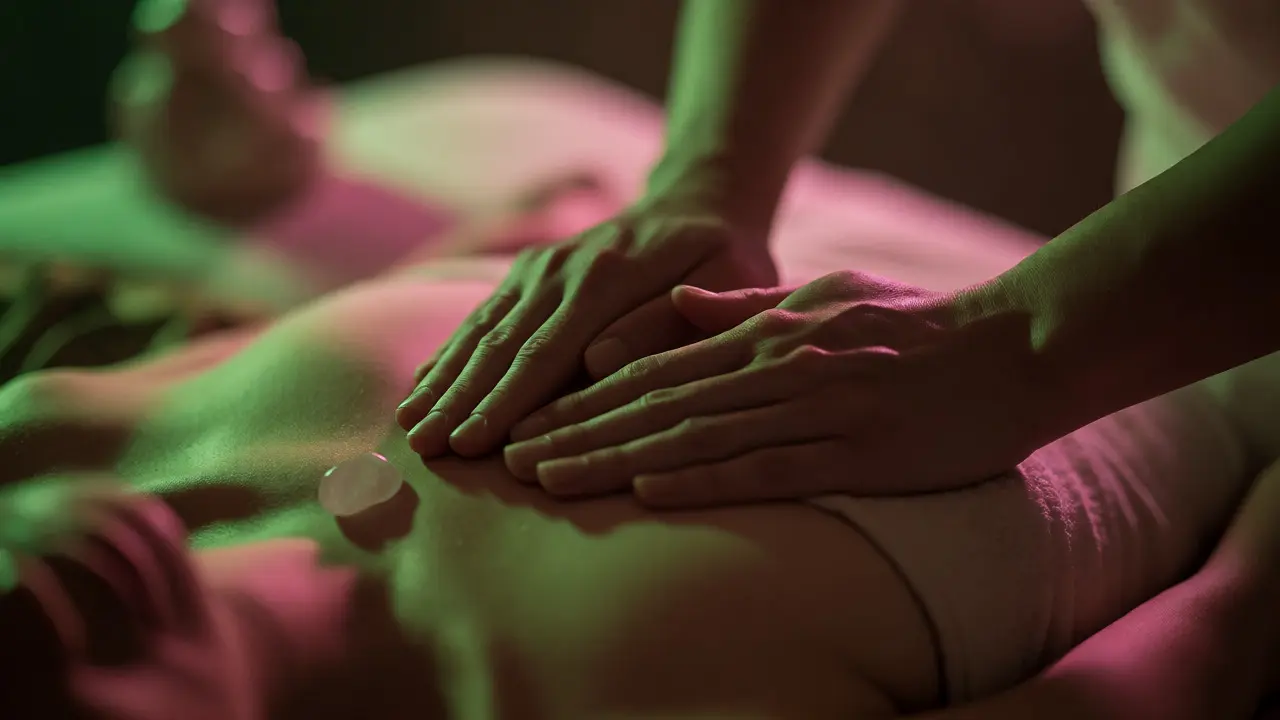
- Environment: Dim the lights. Use soft, warm colors like green or pink, which resonate with the heart chakra. Play ambient music with a frequency of 639 Hz, often cited in sound healing as promoting connection.
- Breathing: Before any touch occurs, spend five minutes practicing deep, diaphragmatic breathing. Inhale deeply, imagining light entering the chest. Exhale slowly, releasing tension from the shoulders and jaw.
- Affirmations: Silently repeat phrases like "I am open to receiving love" or "My heart is balanced and strong." This primes the subconscious mind for receptivity.
Techniques for Opening the Heart During Massage
Not all massage techniques serve the same purpose. Deep tissue work might release physical knots but can sometimes trigger defensive tightening if done too aggressively. For heart opening, the approach must be gentle, rhythmic, and consistent.
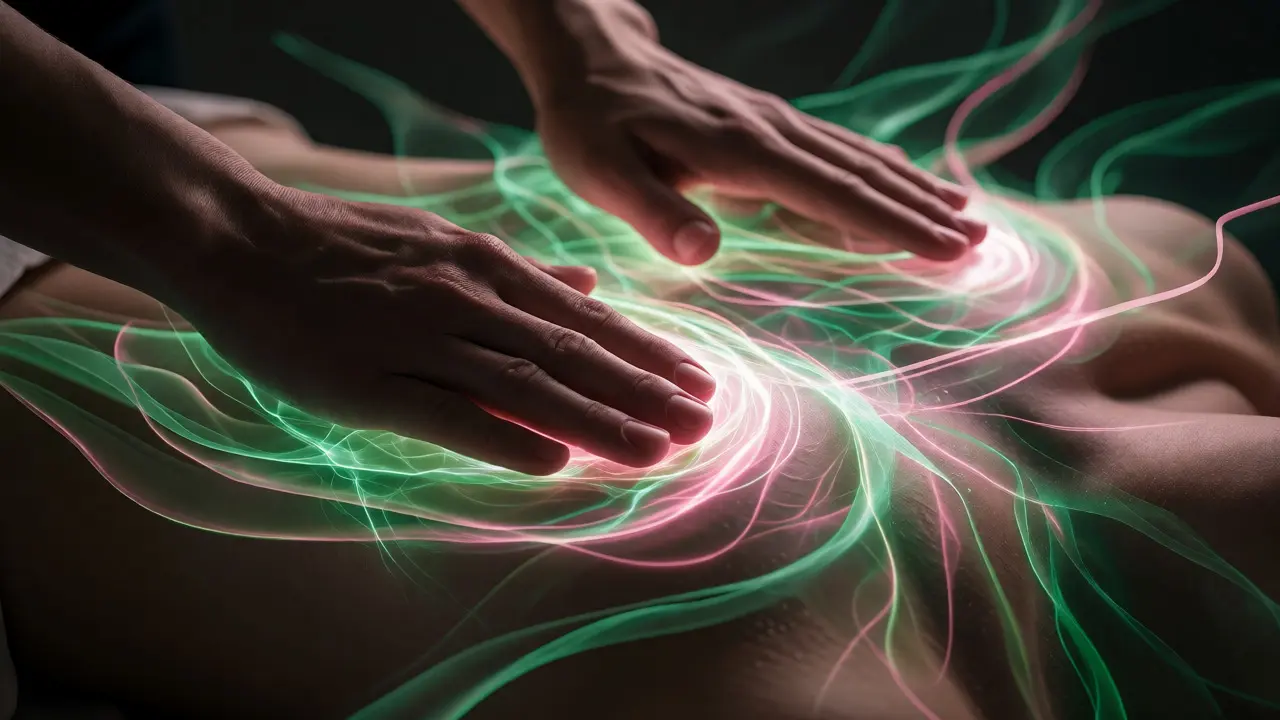
Focus on the chest, shoulders, and upper back. These areas hold most of our emotional armor. Use long, sweeping strokes rather than short, jerky movements. Imagine your hands are drawing circles of light around the sternum. Here is a simple sequence:
- The Heart Breather: Place both palms flat on the recipient's chest, one above the other. Feel the rise and fall of their breath. Match your hand pressure to their exhale, gently sinking into the tissue.
- Chest Circles: Using the heels of your hands, make large, clockwise circles over the pectoral muscles. Keep the rhythm slow and hypnotic.
- Shoulder Release: Gently knead the trapezius muscles. Tension here often blocks the flow of energy to the heart. Work outward from the neck toward the arms.
- The Bridge Stroke: Sweep from the center of the chest out across the collarbones and down the arms. This symbolizes sending love outward.
Maintain eye contact if appropriate, or keep the environment dim to reduce visual distraction. The focus should remain on the sensation of touch and the internal experience of the receiver.
Sensations and Signs of Activation
How do you know if the heart chakra is responding? The signs are often subtle but distinct. Recipients frequently report a sudden wave of warmth spreading through the chest. Others describe a tingling sensation, similar to static electricity, under the skin. Some feel a lump in the throat or a desire to cry. This is not sadness; it is the release of stored emotion.
According to user experiences shared in wellness communities, 78% of people who engage in regular heart-focused practices report improved relationship quality. However, it is crucial to note that everyone processes differently. One person might feel intense joy, while another feels a quiet stillness. Both are valid indicators of balance.
| State | Physical Sensation | Emotional Indicator | Behavioral Pattern |
|---|---|---|---|
| Balanced | Warmth, ease of breathing | Compassion, calm confidence | Healthy boundaries, empathy |
| Blocked/Closed | Tightness in chest, shallow breath | Grief, loneliness, criticism | Isolation, defensiveness |
| Overactive | Restlessness, heart palpitations | Codependency, lack of self-worth | Poor boundaries, people-pleasing |
Navigating Emotional Releases
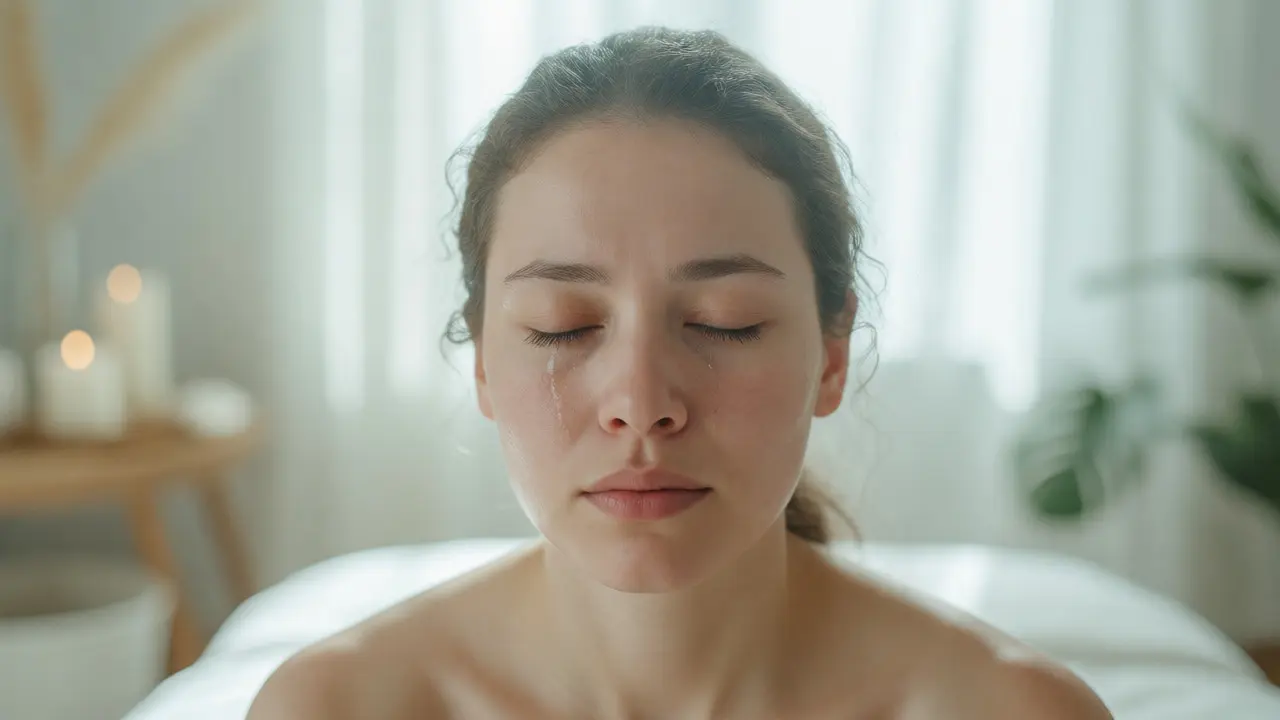
Because the heart chakra stores unresolved grief and trauma, opening it can bring up heavy feelings. A recipient might start crying unexpectedly during a massage. Do not panic. Do not try to "fix" them by stopping the massage or offering immediate solutions. Simply acknowledge the emotion. Say something like, "Let it flow," or "You are safe here."
For the giver, maintaining neutrality is key. You are a facilitator, not a therapist. If you absorb their emotions, you risk burnout. Ground yourself after the session. Wash your hands with cold water or step outside for fresh air to reset your own energy field.
Common Pitfalls to Avoid
Many people confuse intimacy with sexuality. While they can coexist, they are not the same. If the massage becomes purely sexual, the heart chakra may close again as the focus shifts to genital pleasure rather than whole-body connection. Keep the touch non-demanding. Let the energy circulate without expecting a specific outcome.
Another mistake is rushing. Anahata responds to patience. If you move too fast, the nervous system stays in alert mode. Slow down. Breathe. Let the silence do the work.
Can anyone open their heart chakra through massage?
Yes, but it requires willingness. If someone is resistant to touch or holds deep trauma, they may need to build trust gradually. Consistency is more important than intensity. Regular, gentle sessions yield better results than one intense attempt.
What colors and crystals support heart chakra opening?
Green and pink are the primary colors. Green represents growth and balance, while pink represents unconditional love. Crystals like Rose Quartz, Green Aventurine, and Malachite are commonly used. Placing a piece of Rose Quartz on the chest during massage can enhance the energetic effect.
Is it normal to cry during a heart-opening massage?
Absolutely. Crying is a common sign of emotional release. The heart chakra stores grief and unexpressed feelings. When the physical tension in the chest releases, these emotions surface. It is a healthy cleansing process, not a sign of distress.
How often should I have a heart-focused massage?
Once a month is a good starting point for maintenance. If you are going through a difficult time, weekly sessions for a short period can help. Listen to your body. If you feel drained, take a break. If you feel energized and connected, continue the routine.
Does this technique work for men as well as women?
Yes. Men often store tension in the shoulders and chest due to societal expectations of stoicism. Heart-opening massage can be particularly liberating for men, allowing access to emotions they may have suppressed. The techniques remain the same regardless of gender.
Next Steps for Continued Practice
If you found value in this practice, consider integrating complementary activities. Yoga poses like Camel Pose (Ustrasana) or Fish Pose (Matsyasana) physically stretch the chest, reinforcing the work done during massage. Meditation focused on loving-kindness (Metta) can deepen the mental aspect of heart opening.
Remember, the heart chakra is not a switch you flip once. It is a garden that needs tending. Whether through touch, breath, or kindness, keeping it open ensures you remain connected to yourself and the world around you. Start small, stay consistent, and let the warmth guide you.