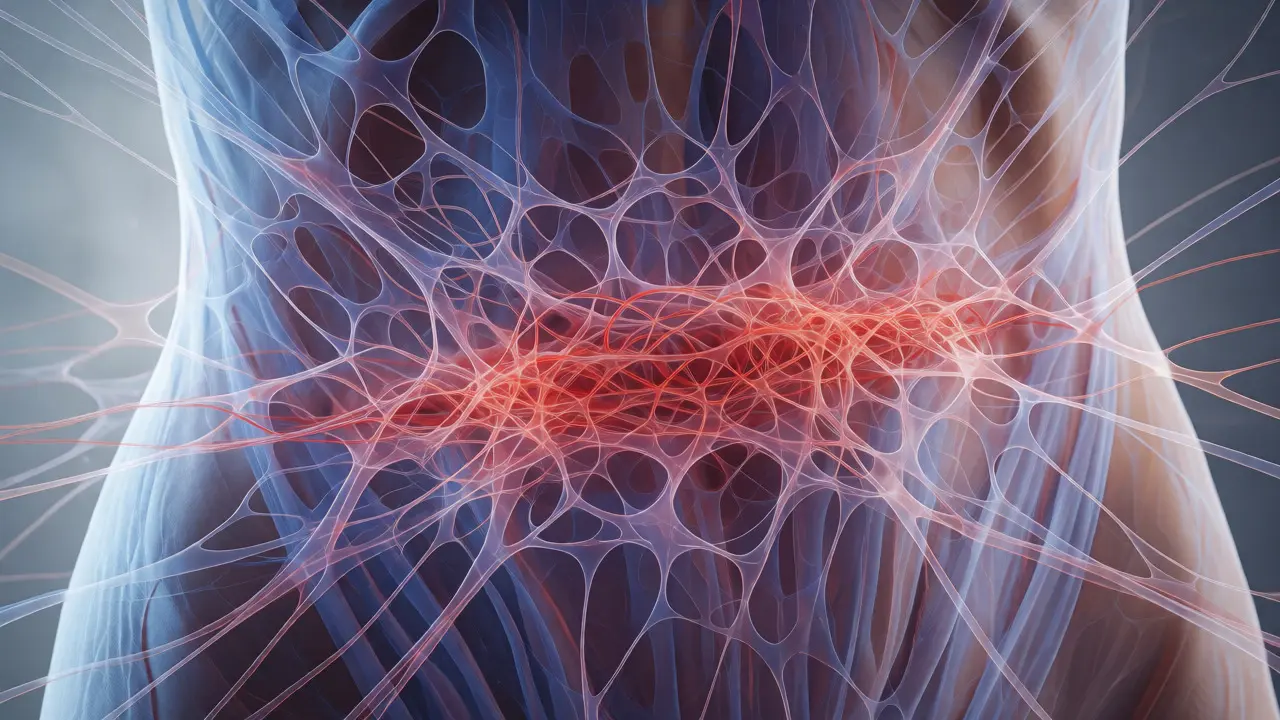
Most new mothers or surgical patients focus entirely on the visible line left behind by a scalpel. They buy silicone sheets, apply expensive creams, and wait for the redness to fade. But here is the problem: the skin heals, yet the body often remembers the trauma. You might feel tightness when you bend over, numbness around your belly button, or pain during intimacy that seems unrelated to the incision site itself. This happens because scars are not just surface-level marks; they are disruptions in the fascial network that connects your entire body. Treating these postoperative and postpartum scars requires more than topical applications. It requires touch.
Touch therapy, specifically manual scar mobilization, addresses the mechanical restrictions created by surgery or childbirth. When tissue heals, it lays down collagen fibers in a chaotic, disorganized pattern. Without intervention, these fibers adhere to underlying muscles and nerves, creating adhesions. These adhesions restrict movement, cause chronic pain, and can even affect organ function. By applying specific pressure and movement techniques, you can reorganize this collagen, restore sensation, and improve the aesthetic appearance of the scar. This guide walks you through why touch matters, how to perform safe self-massage, and when professional intervention becomes necessary.
Why Your Scar Needs More Than Cream
Silicone gels and tapes are excellent tools, but they have limits. Research from Charles University confirms that while silicone products are effective in the proliferative phase of healing-roughly the first few months-they primarily address hydration and inflammation. They do not break up deep tissue adhesions. If your scar feels like a rigid band across your abdomen or perineum, no amount of gel will make it soft again. That rigidity is structural.
Fascia is the connective tissue that wraps every muscle, bone, and organ. A C-section or episiotomy cuts through this web. As the wound closes, the fascia tries to stitch itself back together quickly, often gluing layers together that should slide freely. Imagine wearing a shirt that has shrunk in one specific spot. Every time you move, that shrunken spot pulls on the rest of the fabric. This is what an adhered scar does to your posture and pelvic floor.
Manual therapy works by physically separating these glued layers. Through sustained pressure and stretching, you encourage the collagen fibers to align along lines of tension rather than random clumps. This process, known as remodeling, takes time. It is not a quick fix, but it yields functional results that topical treatments simply cannot achieve.
The Timeline of Healing: When to Start Touching
Timing is everything. If you start massaging too early, you risk reopening the wound or causing internal bleeding. If you wait too long, the adhesions become dense and difficult to break down. The general rule of thumb involves three distinct phases.
- Inflammatory Phase (0-6 weeks): The wound is fresh. Focus on keeping it clean and dry. Gentle stroking around the scar is okay, but avoid direct pressure. For C-sections, wait until the incision is fully closed and any staples or dissolvable stitches are gone.
- Proliferative Phase (6 weeks-6 months): Collagen production peaks. The scar may look red and raised. This is the ideal window for gentle mobilization. Begin light circular motions once your doctor gives clearance. Silicone sheets work best here to manage hypertrophic scarring.
- Remodeling Phase (6-18 months): The scar matures. It becomes paler and flatter. Deep tissue massage becomes more effective and tolerable. Adhesions are established but still malleable. This is when serious scar release therapy makes the biggest difference.
Do not rush. A scar from a C-section or vaginal delivery continues to change for up to two years. Patience pays off. If you experience sharp pain, stop immediately. Discomfort or a mild pulling sensation is normal; agony is not.
Techniques for Abdominal Scars (C-Sections)
C-section scars are notorious for causing lower back pain and restricted hip flexion. The horizontal cut disrupts the abdominal wall’s integrity. Here is a simple routine you can try at home after your six-week checkup.
Start with skin rolling. Pinch a fold of skin near the scar and gently lift it away from the underlying muscle. Move slowly along the length of the scar. Do not pull hard enough to bruise. You are trying to create space between the skin and the fascia. Next, try circular friction. Place your fingertips directly on the scar and apply firm, steady pressure. Move in small circles. Change directions every minute. This breaks up cross-links in the collagen.
For deeper restriction, use cross-friction. Move your fingers perpendicular to the direction of the scar. Push firmly into the tissue, holding the stretch for 30-60 seconds before releasing. Repeat this five times. This technique targets the deep fascial bands that limit mobility. Many women report feeling lighter and able to stand straighter after just a few sessions.
| Method | Primary Benefit | Best Time to Use | Invasiveness |
|---|---|---|---|
| Scar Massage | Breaks adhesions, improves mobility | 6 weeks onward | Non-invasive |
| Silicone Gel/Sheet | Hydrates, reduces redness | Wound closure onward | Topical |
| Hyaluronic Acid Injection | Volumizes depressed scars | Mature scars (>6 months) | Minimally invasive |
| CO2 Laser | Resurfaces texture, stimulates collagen | Mature scars (>6 months) | Minimally invasive |
| Surgical Revision | Removes excess tissue | Mature scars (>1 year) | Invasive |
Addressing Perineal Scars (Episiotomies)
Perineal tears and episiotomies affect intimate health differently than abdominal scars. The tissue here is highly vascular and sensitive. Pain during intercourse or difficulty with bowel movements often stems from tight scar tissue restricting the pelvic floor muscles. Unlike the abdomen, you cannot easily roll the skin here. Instead, internal and external mobilization is key.
External massage involves using a water-based lubricant to glide fingers over the scar line. Apply gentle pressure and stretch the tissue toward the anus and toward the vagina alternately. This helps prevent the scar from tethering to the rectum or vaginal wall. For internal work, some therapists recommend using a dilator or finger to gently stretch the vaginal opening. This desensitizes the area and restores elasticity.
If you experience numbness or persistent pain, consider professional help. Specialists often use hyaluronic acid injections for these cases. Hyaluronic acid is a naturally occurring substance in the body that binds water. Injected directly into the scar tissue under local anesthesia, it hydrates the area from within and adds volume to depressed scars. According to Gynmedico, the effects last 12 to 18 months, providing significant relief from tightness and improving sexual comfort.

Beyond DIY: Professional Interventions
Sometimes, home massage isn’t enough. Dense keloids or thick hypertrophic scars require advanced tools. If your scar remains raised, painful, or cosmetically bothersome after a year of consistent care, look into clinical options.
Laser therapy is a popular choice. Fractional CO2 lasers create microscopic channels in the skin, triggering a healing response that replaces old scar tissue with healthier collagen. YesVisage notes that with numbing cream, the procedure is largely painless. It effectively smooths texture and reduces pigmentation. However, laser treatment does not fix deep adhesions. It works best when combined with physical therapy.
Another emerging option is radiotherapy or cryotherapy for stubborn keloids. These methods target the cellular activity causing excessive growth. While less common for standard C-section scars, they are valuable for patients prone to aggressive scarring. Always consult a dermatologist or plastic surgeon before pursuing these paths. They can assess whether your scar is ready for such interventions based on its age and characteristics.
Integrating Bodywork and Mindset
Scars carry emotional weight. For many women, a C-section scar represents a loss of agency or a reminder of medical trauma. Touch therapy offers a way to reclaim ownership of your body. Taking ten minutes daily to massage your scar allows you to reconnect with the area mindfully. It transforms the scar from a mark of damage into a site of healing.
Combine massage with breathing exercises. Inhale deeply, allowing your belly to expand against the resistance of the scar. Exhale slowly, consciously relaxing the muscles around the incision. This diaphragmatic breathing engages the core without strain, promoting circulation and reducing tension. Over time, this practice can alleviate associated symptoms like constipation or urinary urgency, which are often linked to restricted abdominal fascia.
Remember, consistency beats intensity. Five minutes every day is more effective than an hour once a month. Listen to your body. Some days the tissue will yield easily; other days it will resist. Both are part of the process. Your goal is not perfection but functionality and peace with your body’s history.
When can I start massaging my C-section scar?
You should generally wait until your postpartum checkup, typically around six weeks after birth. Ensure the incision is fully closed, with no signs of infection or drainage. Start with very light touch and gradually increase pressure as tolerated.
Does scar massage actually reduce the size of a scar?
Massage primarily flattens and softens scars by breaking down adhesions and organizing collagen. While it may not significantly shorten the length of the scar, it can make it much less noticeable, smoother, and less raised. For significant reduction in width, surgical revision might be needed.
Is hyaluronic acid injection safe for breastfeeding mothers?
Hyaluronic acid is biocompatible and naturally found in the body, making it generally safe. However, most practitioners recommend waiting until you have finished breastfeeding or consulting your OB-GYN. Local anesthetics used during the procedure also need consideration regarding milk transfer.
How often should I perform scar massage?
Daily is ideal. Aim for 5 to 10 minutes per session. Consistency is crucial for remodeling collagen. If the scar becomes irritated or inflamed, take a break for a day or two and then resume with lighter pressure.
Can scar massage help with back pain?
Yes. Abdominal scars can pull on the lower back and pelvis due to fascial connections. Releasing the scar tissue often alleviates tension in the lumbar spine and hips, leading to improved posture and reduced pain.