Most of us are conditioned to view sex as a sprint. We rush through foreplay, hit the finish line, and collapse. But what if intimacy wasn’t about reaching an end point? What if the goal was the journey itself?
This is the core promise of Tantra, an ancient practice that shifts the focus from orgasm as a destination to pleasure as a continuous state. Originally meaning "loom" or "weaving," Tantra invites you to weave together physical sensation, breath, and emotional connection. It’s not just about lasting longer; it’s about feeling more deeply. If you’ve ever felt that your intimate moments were too short or lacked depth, these techniques offer a way to transform that experience into something expansive and sustained.
Redefining the Goal: From Orgasm to Connection
The biggest hurdle in learning Tantra is unlearning modern sexual habits. Conventional sex often treats orgasm as the sole metric of success. In contrast, Tantric philosophy views orgasm as a byproduct of deep connection, not the prize. Swami Prem Agni, founder of the Meditation Center Lažánky, explains that in Tantric sex, there is no boundary or mandatory goal you must achieve. This mindset shift reduces performance anxiety, which is often the enemy of longevity in the bedroom.
When you stop chasing the climax, you free yourself to explore the vast landscape of sensation between arousal and release. Studies from Charles University in Prague suggest that when this experience becomes intense enough, it transitions into a meditative state. You aren’t just having sex; you’re entering a flow state where time seems to dissolve. This isn’t mystical woo-woo; it’s a physiological response to focused presence and controlled arousal.
- Traditional Sex: Linear, goal-oriented, focused on genital stimulation, ends with orgasm.
- Tantric Intimacy: Circular, process-oriented, involves whole-body awareness, extends beyond orgasm.
Core Techniques for Extending Pleasure
You don’t need years of meditation to start experiencing longer, deeper intimacy. There are specific, actionable techniques you can integrate immediately. These methods work by regulating your nervous system and directing energy throughout the body, rather than letting it pool exclusively in the genitals.
1. Waveriding (Surfing the Wave)
Waveriding is perhaps the most famous Tantric technique for men, though women can use similar principles. It involves balancing on the edge of orgasm without crossing over. Imagine your arousal level as a wave rising toward a shore. Your job is to surf that crest, maintaining high intensity without crashing.
Monika Sičová, an instructor at the Tantric School in Brno, describes this as "stopping at the best moment." When you feel you are close to ejaculation or climax, slow down or stop stimulation entirely. Breathe deeply. Wait for the urge to subside slightly, then begin again. Over time, you learn to maintain that peak state for minutes or even hours. It requires patience, but the payoff is immense.
2. The Microcosmic Orbit
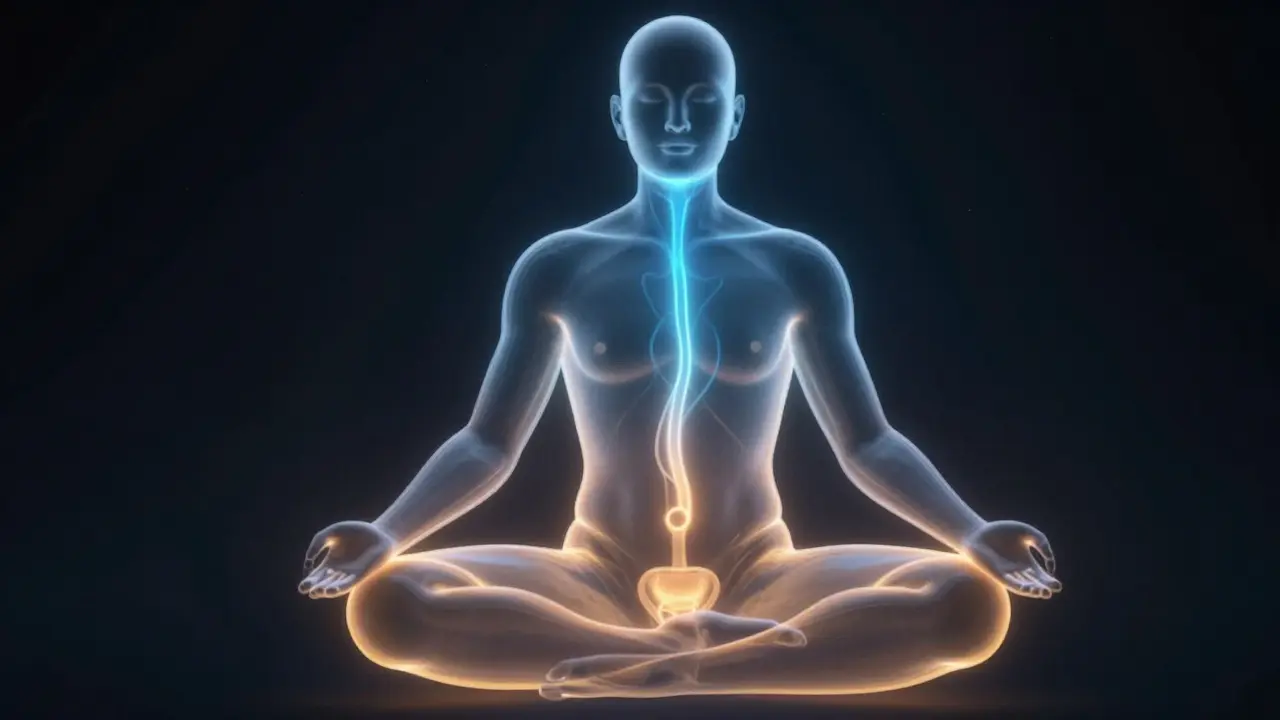
This technique circulates energy up the spine and down the front of the body. During inhalation, visualize energy moving up your spine from the base of your tailbone to the top of your head. On exhalation, let it flow down through your chest and belly back to the perineum. This cycle prevents energy from getting stuck in the pelvic area, which often leads to premature release. It also creates a full-body buzz of pleasure, making the experience less localized and more holistic.
3. Eye Gazing
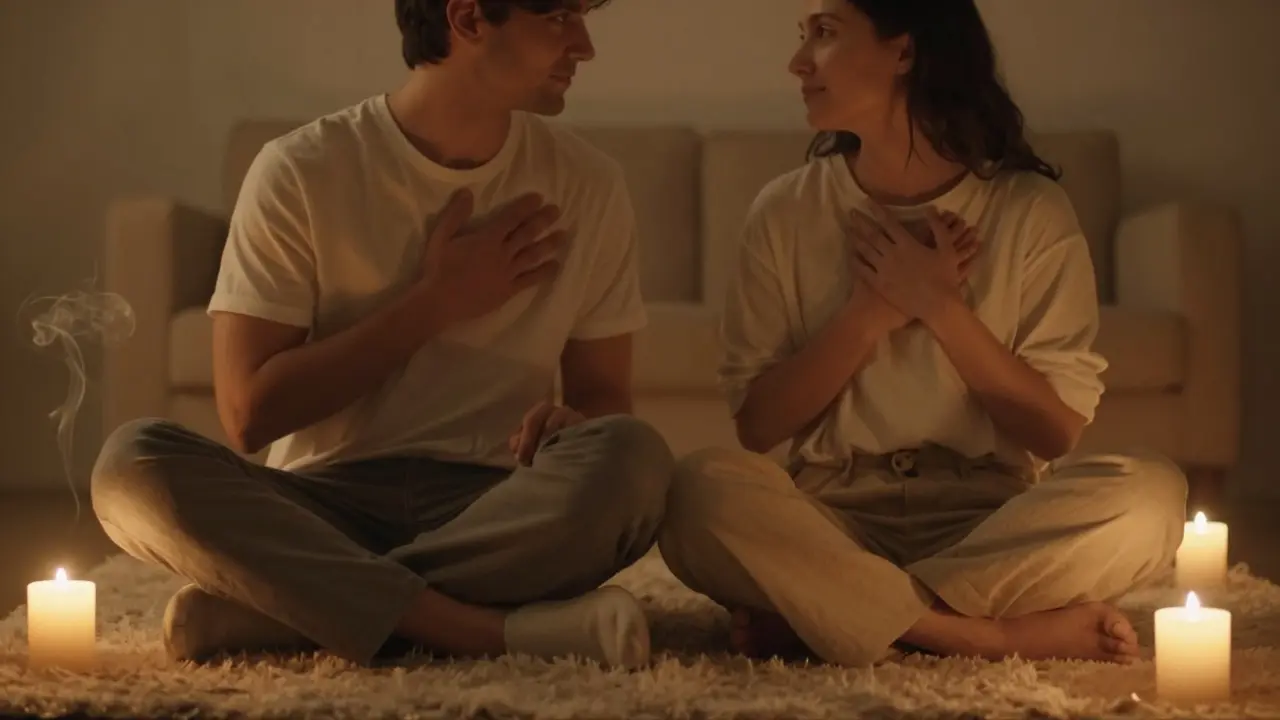
Sound simple? It’s deceptively powerful. Maintaining eye contact during intimacy creates a direct neural link between partners. According to experts at mojesebepoznani.cz, this increases bonding and vulnerability. Start by sitting opposite each other, placing hands on hearts, and sharing what you appreciate about one another. Then, carry this gaze into physical touch. It keeps you present and stops your mind from wandering to distractions.
4. Mantra and Breath
Before beginning any ritual, synchronize your breath. Chanting "OM" five times audibly can help align your energies. The "O" vibrates in the throat and chest, while the "M" resonates in the head. This vocalization calms the nervous system and signals to your partner that you are ready to connect. Regular, deep breathing is crucial throughout the act to keep arousal manageable and oxygen flowing.
Creating the Right Environment
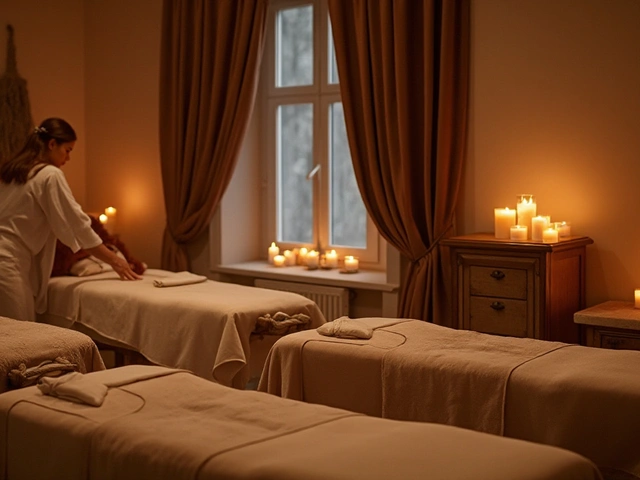
Tantra doesn’t thrive in a rushed, cluttered environment. You need to create a sanctuary. Light candles, use essential oils like sandalwood or jasmine, and play soft, ambient music. Remove phones and other distractions. The space should feel safe and inviting.
Consider starting with a non-sexual Tantric massage. The "Erotic Awakening Massage" described in Tantric texts involves gentle work on the vulva, clitoris, and internal areas for women, or broader bodywork for men. The key is slowness. Move so slowly that your partner barely feels the friction. This builds anticipation and heightens sensitivity, allowing small touches to feel electric.
| Aspect | Traditional Approach | Tantric Approach |
|---|---|---|
| Goal | Orgasm | Connection & Prolonged Pleasure |
| Duration | Short (minutes) | Extended (hours possible) |
| Focus | Genitals | Whole Body & Energy |
| Mindset | Performance-based | Presence-based |
| Communication | Often minimal | Essential & Continuous |
Common Challenges and How to Overcome Them
It’s not all smooth sailing. Many couples struggle initially. Petr, a 29-year-old user from a Czech forum, shared that trying waveriding without guidance led to frustration because they tried to delay orgasm too aggressively. This is a common pitfall. Don’t force it. If you get frustrated, take a break. Laugh. Touch non-sexually. Tantra is about joy, not discipline.
Another challenge is finding the time. With busy lives, carving out hours for intimacy can be hard. Start small. Even 20 minutes of focused, Tantric-style connection can make a difference. Consistency matters more than duration. Practice these techniques regularly, even outside the bedroom, such as through mindful kissing or holding hands.
Communication barriers are also real. Thirty-seven percent of users report discomfort with open communication. Use "I" statements. Say, "I feel aroused when you touch me here," instead of "You should do this." Build trust through non-sexual exercises first. If you have deep trauma or relationship issues, consider working with a certified therapist. Dr. Jan Novák warns that 15% of people attempting Tantric techniques without proper support experienced worsened sexual dysfunction due to anxiety.

The Science Behind the Sensation
Is Tantra just placebo? Research suggests otherwise. A study by Dr. Petra Vránová at the Institute of Sexology AV ČR found that couples practicing Tantra regularly reported higher satisfaction rates-78% after six months-compared to 42% in control groups. The mechanism involves parasympathetic nervous system activation. Deep breathing and slow movement lower cortisol (stress hormone) and increase oxytocin (bonding hormone). This biochemical shift allows for prolonged arousal without the stress-induced spike that leads to quick ejaculation.
Furthermore, the Charles University "Neurotantra" project, launched in January 2026, uses fMRI scans to map brain activity during Tantric practices. Early results show increased activity in regions associated with empathy and self-awareness, supporting the idea that Tantra rewires how we experience intimacy.
Getting Started: Practical Steps
If you want to dive in, here’s a roadmap:
- Educate Yourself: Read books like Tantra Love by Karel Jizera. Understand the philosophy before the mechanics.
- Start Solo: Practice waveriding or microcosmic orbit alone. Learn your body’s responses without pressure.
- Create Rituals: Set aside weekly time for Tantric intimacy. No phones, no rush.
- Take a Course: Consider workshops like those offered by the Tantric School in Brno. An 8-week course costs around 8,500 CZK and provides structured guidance.
- Communicate: Discuss boundaries and desires with your partner openly. Consent and comfort are paramount.
Remember, Tantra is a journey, not a destination. It’s about weaving a richer tapestry of connection with your partner and yourself. Be patient, be playful, and be present.
How long does it take to learn Tantric techniques?
There is no fixed timeline. Basic techniques like breathing and eye gazing can be practiced immediately. However, mastering skills like waveriding may take weeks or months of consistent practice. Most couples see noticeable improvements within 3-6 months of regular practice.
Is Tantra only for couples?
No. While Tantra enhances partnership, many practices like microcosmic orbit and solo waveriding can be done individually. It helps build self-awareness and control, which benefits any future partnerships.
Can Tantra help with premature ejaculation?
Yes. By teaching men to recognize and manage arousal levels, Tantra can significantly extend duration. Dr. Petra Vránová notes its effectiveness in treating premature ejaculation and anorgasmia. However, severe cases should be addressed with a medical professional alongside Tantric practice.
What if my partner isn’t interested in Tantra?
Start small. Introduce elements like slower pacing or eye gazing without labeling it "Tantra." Focus on mutual pleasure and relaxation. If your partner remains resistant, respect their boundaries. Forcing spiritual practices can damage intimacy.
Are there risks to practicing Tantra?
The main risk is performance anxiety if you treat it as a task. Without proper mindset, it can lead to frustration. Additionally, individuals with unresolved trauma may find intense emotional exposure challenging. Seek professional guidance if needed.