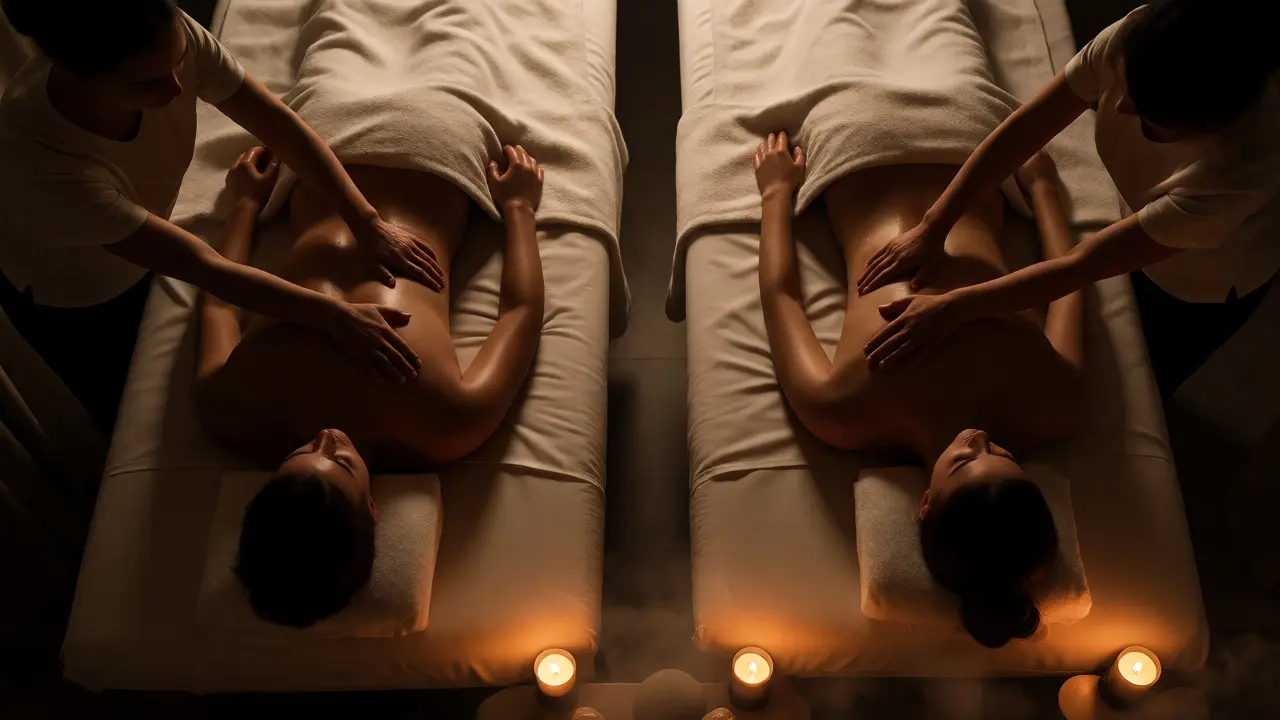
Booking a couple massage sounds like the perfect romantic getaway. You imagine synchronized relaxation, soft lighting, and shared calm. But here is the reality: poor planning turns this dream into a logistical nightmare. I have seen too many couples arrive stressed because they forgot to check parking or booked mismatched treatments that ruined the vibe. The difference between a five-star memory and a frustrating afternoon often comes down to what you do before you even step through the door.
A couple massage is not just two individual sessions happening at the same time. It is a coordinated service designed to enhance connection. According to recent industry data, synchronized experiences lower cortisol levels by roughly 22% more than solo sessions because of the social comfort factor. But this benefit only works if the logistics are seamless. If one partner is waiting twenty minutes while the other starts, the magic breaks. So, how do you book it right? Let’s walk through the practical steps that actually matter.
Why Booking Early Matters More Than You Think
You might think you can pop in last minute. In major cities, weekend slots fill up four days in advance. That is not an exaggeration. Data from leading booking platforms shows that 68% of weekend appointments are gone by Wednesday. If you want a specific therapist or a quiet corner room, you need to lock it in at least 72 hours ahead. Some high-end spas even recommend booking a week out during holiday seasons like Valentine’s Day or Christmas.
Waiting until the last minute forces you into compromise. You end up with less experienced therapists or awkward timing gaps. When you book early, you get control over the details. You can request adjacent rooms or side-by-side tables. You can ask for specific aromatherapy oils. This level of customization requires lead time. Do not let urgency steal your peace.
Choosing the Right Massage Type Together
This is where most reservations fail. One partner wants a deep tissue sports massage; the other wants a gentle Swedish oil rub. On paper, this seems fine. In practice, it creates chaos. Different techniques require different setups, durations, and therapist energies. A study by the Czech Masers Chamber found that mismatched techniques reduce synchronization efficiency by 40%. The result? One partner feels rushed, the other feels ignored.
The best approach is to agree on one style. If you both love pressure, choose Deep Tissue. If you want pure relaxation, pick Aromatherapy or Thai Oil Massage. If you cannot agree, consider a hybrid option where both therapists adjust their intensity within the same framework. For example, a standard Swedish massage allows one therapist to go deeper while the other stays light, but the overall structure remains aligned. This keeps the rhythm consistent.
| Massage Type | Best For | Intensity Level | Synchronization Ease |
|---|---|---|---|
| Swedish Massage | General relaxation, first-timers | Low to Medium | High (Standardized flow) |
| Deep Tissue | Muscle tension, athletes | High | Medium (Requires matching pain tolerance) |
| Thai Massage | Flexibility, energy flow | Active/Medium | High (Structured sequence) |
| Aromatherapy | Stress relief, sensory experience | Low | Very High (Calming environment) |
Navigating the Booking Platform
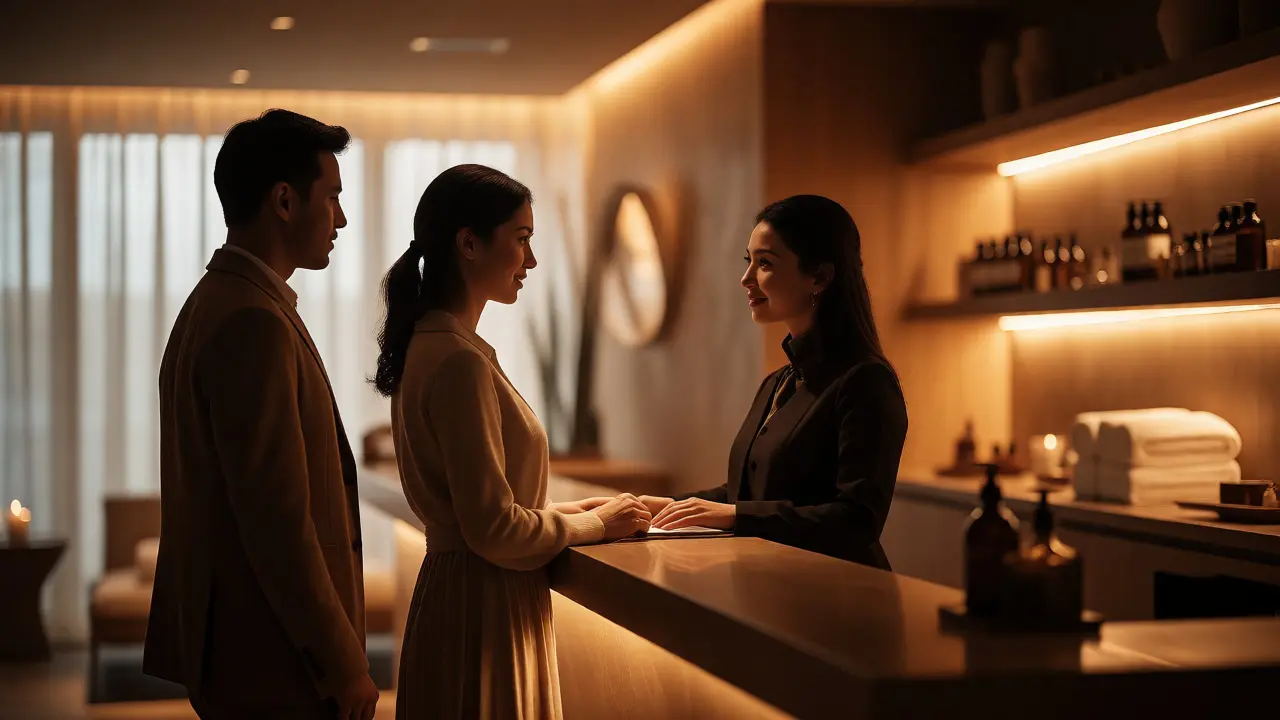
Most modern spas use digital booking systems like Reservio or similar local platforms. These tools are great, but they hide pitfalls. When you select "Couple Massage," ensure the system explicitly confirms two therapists are available simultaneously. Sometimes, the calendar shows availability for one slot, but the backend does not guarantee paired staffing. Always add a note in the comment section: "Requesting simultaneous start time for two people."
Check the cancellation policy carefully. Many vouchers and online bookings have strict 24-hour cancellation windows. If you cancel late, you lose the money. No exceptions. Life happens, so read the fine print. If you are buying a gift voucher, verify its expiration date immediately. Some expire six months after purchase, which is shorter than you expect.
Preparing for the Session: What to Bring and Expect
You do not need much, but preparation prevents delays. Arrive 15 minutes early. This is not optional. Why? Because you need to fill out health forms. Spas require medical history updates every visit. If you rush in at zero hour, you spend your paid time signing papers instead of relaxing. Use those 15 minutes to change clothes and hydrate.
Bring minimal belongings. Leave phones in the locker. Tell your partner beforehand that you will be unreachable. Disconnecting together is part of the therapy. Wear loose, comfortable clothing if you prefer not to wear spa underwear, though most places provide disposable ones. Avoid heavy meals two hours before the session. Digestion diverts blood flow away from muscles, reducing the massage’s effectiveness.
During the Massage: Communication Is Key
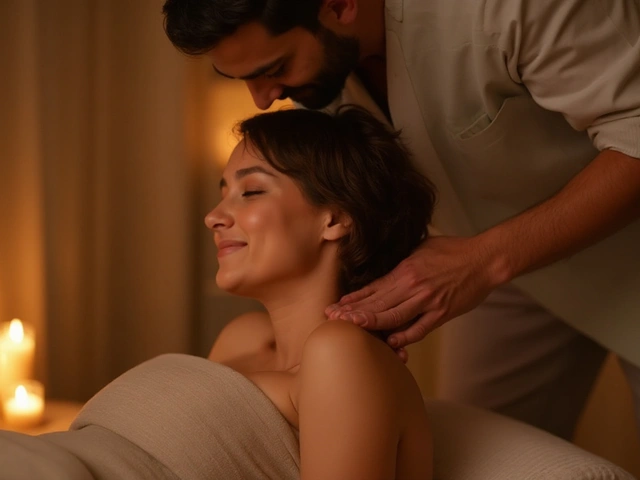
Once you are on the table, speak up. Therapists are trained to listen, but they cannot read minds. If the pressure is too hard, say so. If the room is too cold, mention it. Do not suffer in silence because you think it will ruin the mood. A good therapist adjusts instantly. In fact, feedback helps them tailor the session to your body’s needs.
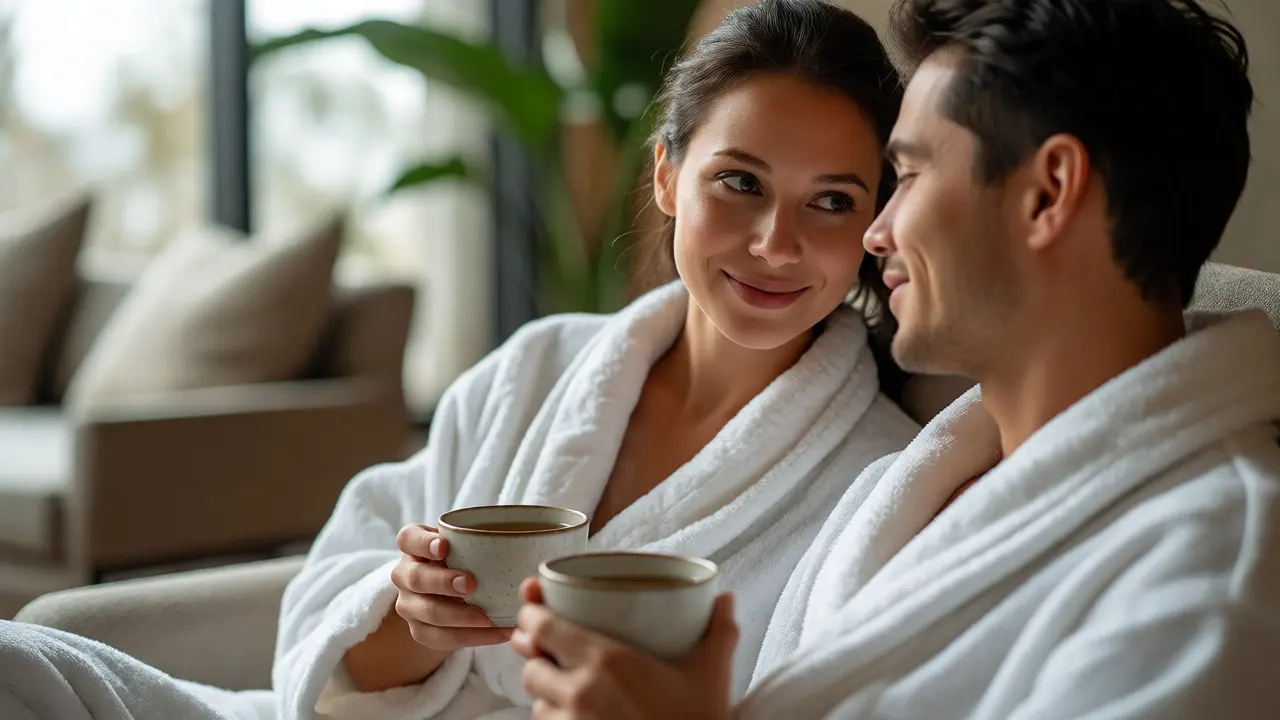
If you are in separate rooms, ask if you can share a post-massage tea break. Many spas offer this as an add-on. It bridges the gap between the physical treatment and the emotional reconnection. Sitting together in silence, sipping herbal tea, lets the nervous system settle back into daily life gently. Skipping this step often leaves partners feeling disjointed afterward.
Troubleshooting Common Issues
What if things go wrong? Here are quick fixes for common problems:
- Parking Nightmares: Check if the spa has dedicated parking. 33% of urban studios lack it. If yours does not, find nearby public lots before booking. Factor the cost and walking time into your schedule.
- Therapist Mismatch: If one therapist arrives late, ask to delay both starts. Do not let one partner begin alone. Synchronicity is the core value.
- Allergies: Mention nut or essential oil allergies during booking, not just at arrival. Some oils contain almond or peanut derivatives that cause severe reactions.
Remember, the goal is shared relaxation. If the experience feels transactional rather than restorative, give feedback politely. Most managers want to fix issues because repeat customers are valuable. 68% of couples return multiple times a year when treated well.
How far in advance should I book a couple massage?
You should book at least 72 hours in advance. For weekends or holidays, aim for one week ahead to secure preferred times and therapists.
Can we choose different types of massages?
Yes, but it is not recommended. Mismatched techniques can disrupt the synchronized experience. If you must, choose styles with similar durations and intensity levels to maintain harmony.
What happens if one partner cancels?
Policies vary, but most spas charge for both spots if the pair cancels late. Some allow rescheduling one person without penalty if notified 24 hours prior. Always check the specific terms.
Are couple massages suitable for pregnant women?
Not always. Only 32% of studios offer certified prenatal couple massages. Consult your doctor and confirm the spa has therapists trained specifically for pregnancy support.
Do we need to tip the therapists?
Tipping customs depend on your location. In Australia and the US, tipping 15-20% is standard. In some European countries, service charges are included. Ask discreetly at reception if unsure.