Most women are taught to treat their bodies like machines-same routine, same pressure, same expectations every day. But what if your body isn’t meant to be treated the same way all month? What if the way you want to be touched, the way your muscles respond, even the way you feel emotionally, shifts dramatically depending on where you are in your cycle? That’s where yoni massage meets cyclicity-and why it’s one of the most powerful, yet underused, tools for women’s physical and emotional well-being.
What Is Yoni Massage, Really?
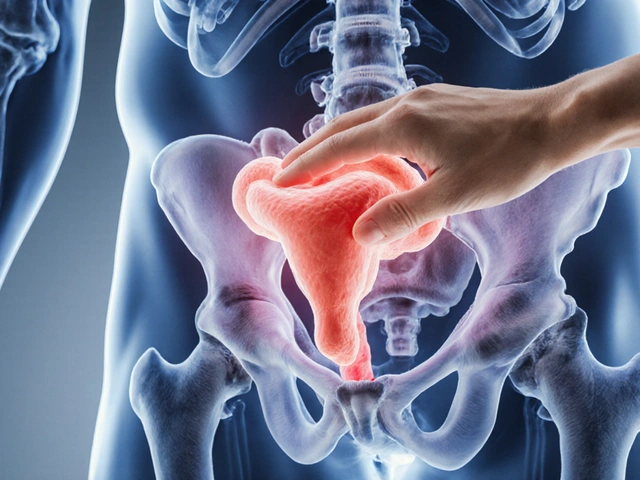
Yoni massage isn’t about sex. It’s not erotic entertainment. It’s not a luxury spa treatment with candles and lavender oil. At its core, yoni massage is a mindful, therapeutic practice focused on the vulva, vagina, and pelvic floor. The word “yoni” comes from Sanskrit, meaning “sacred space” or “source of life.” This isn’t poetic fluff-it’s a recognition that the female pelvis holds more than reproductive organs. It holds memory, emotion, tension, and energy. Unlike traditional massage, which often applies the same techniques regardless of hormonal shifts, yoni massage adapts to the natural rhythm of the menstrual cycle. This means the pressure, speed, intention, and even the areas touched change depending on whether you’re bleeding, ovulating, or preparing for your next period. Studies and practitioner reports show that when done correctly, yoni massage can reduce menstrual cramps by up to 60%, shorten period length by nearly two days, and improve pelvic blood flow-leading to better arousal, less pain during sex, and deeper emotional grounding. But only if it’s timed right.The Four Phases of Your Cycle-and How to Touch Them
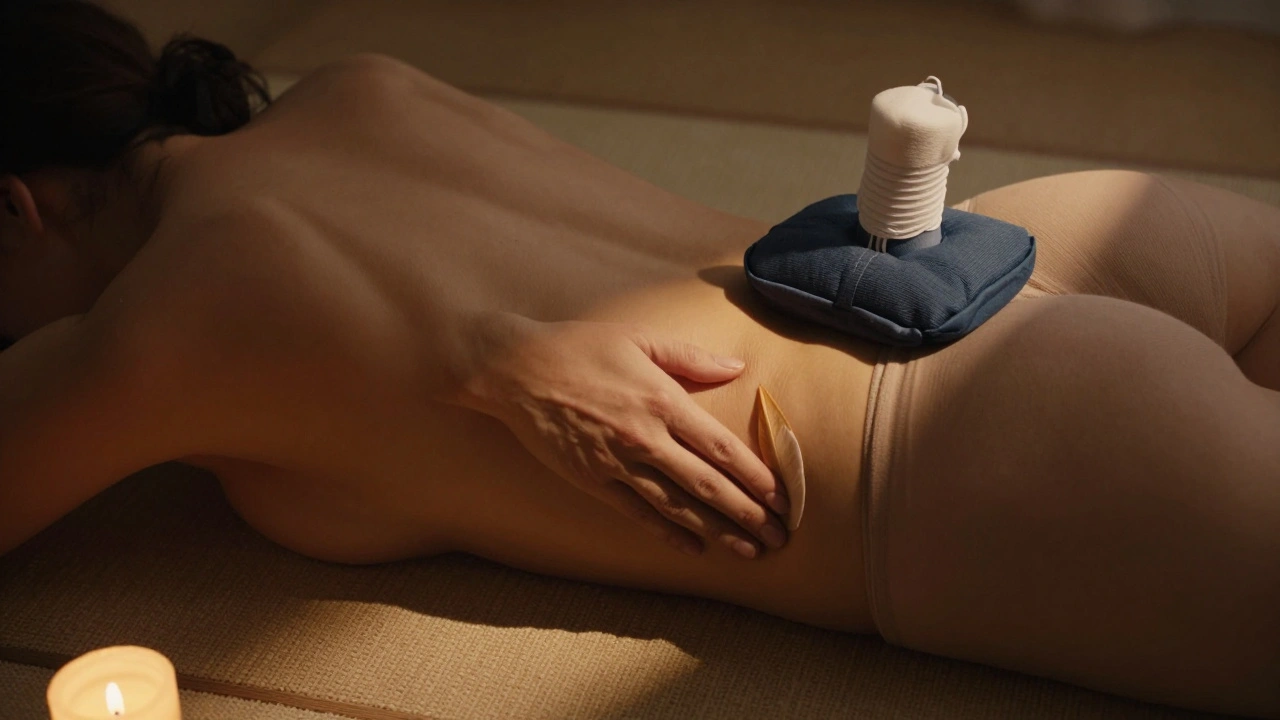
Your menstrual cycle isn’t just a countdown to your period. It’s a four-phase hormonal symphony. Each phase has a different energy, different sensitivity, and different needs. Ignoring this is like massaging a sprained ankle the same way you massage a tight shoulder-ineffective, or worse, harmful. 1. Menstrual Phase (Days 1-7) This is when your body is shedding the uterine lining. Estrogen and progesterone are at their lowest. You might feel tired, achy, sensitive, or emotionally raw. Your pelvic floor is relaxed but vulnerable. The last thing you need is deep pressure or internal stimulation. During this phase, gentle external touch is all that’s needed. Light circular strokes around the outer lips, a soft hold on the lower abdomen, or a warm compress on the sacrum can ease cramps and help release stored tension. Avoid internal massage entirely. Even yoni eggs should be left out-your body is already in a state of release. Forcing stimulation now can lead to heavier bleeding, prolonged periods, or even infection. One woman reported 10 days of spotting after an internal massage during her period. Her doctor confirmed: her body was still healing, and the pressure disrupted natural flow. 2. Follicular Phase (Days 7-14) This is when estrogen rises. Your energy climbs. Your skin glows. Your body feels more open, more responsive. This is the ideal time to explore deeper work. Fascial release techniques on the inner thighs and lower belly help unlock tension stored from previous cycles. Gentle internal massage with lubricated fingers-slow, rhythmic, and intentional-can stimulate pelvic circulation and improve vaginal elasticity. This is also the time to introduce tools like yoni eggs or gua sha wands. The tissues are more pliable, so you can safely build strength and awareness. Many women report feeling more connected to their bodies during this phase-more confident, more curious. Use this window to explore what feels good, not what you think should feel good. 3. Ovulatory Phase (Days 14-16) Peak estrogen, rising testosterone. This is your body’s most potent, expansive phase. You’re naturally more aroused. Your sensitivity is heightened. Your body is primed for pleasure and release. This is the time for more dynamic, rhythmic touch. Internal massage with deeper pressure, longer strokes, and intentional breathwork can help release old emotional blocks. Many women experience spontaneous orgasms during this phase-not because they’re trying, but because their bodies are finally free to respond fully. This isn’t about performance. It’s about surrender. Let your body lead. If you feel a pulse, a twitch, or a wave of heat, follow it. Don’t rush. Don’t force. Just be present. 4. Luteal Phase (Days 16-28) Progesterone takes over. You might feel moody, bloated, or emotionally fragile. This is the time when PMS creeps in. Your body is preparing for either pregnancy or shedding. Either way, your nervous system is on high alert. Now, less is more. Switch back to light, grounding touch. Focus on the hips, lower back, and outer pelvis. Avoid internal work unless you’re deeply relaxed and have no signs of discomfort. If you’re feeling anxious or irritable, try a warm oil massage on your inner thighs while breathing slowly. This helps calm the nervous system and reduces cortisol buildup. Many women report fewer mood swings and less breast tenderness when they shift to gentle touch during this phase.Why Most People Get It Wrong
The majority of massage therapists-even those trained in tantric or sensual techniques-still treat the pelvis like any other body part. They use the same pressure, the same rhythm, the same assumptions. But your pelvis isn’t static. It’s a living, breathing, hormonal landscape. One study found that women who received yoni massage adjusted to their cycle reported 47% greater improvement in pelvic pain and sexual satisfaction compared to those who received standard massage. Why? Because they were working with their biology, not against it. The biggest mistake? Doing deep internal work during menstruation. The second? Ignoring the luteal phase entirely. Many women are told to “just relax” during PMS, but they’re not told how. A gentle, consistent touch during this phase can be more healing than a dozen spa days. Another issue: lack of education. Only 12% of massage therapists in the Czech Republic offer cycle-adapted yoni massage. Yet 68% of women say they’d prefer it. There’s a gap-and it’s growing.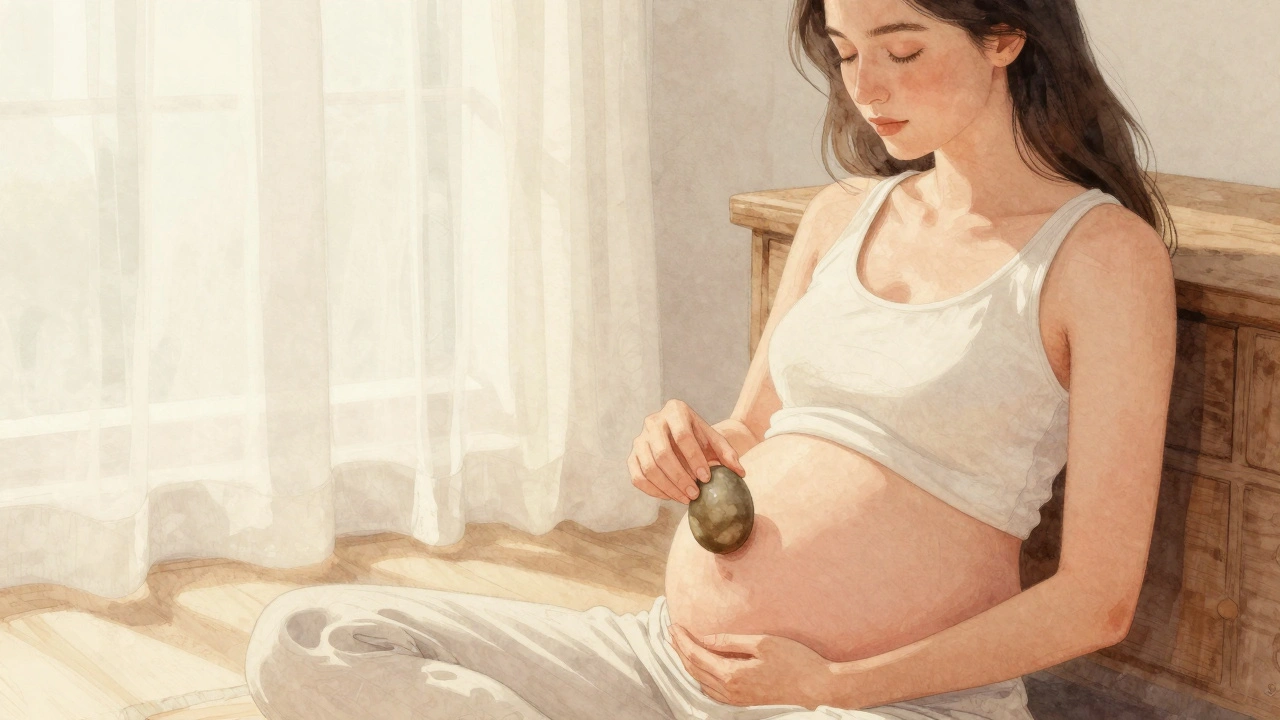
How to Track Your Cycle (Without an App)
You can’t adapt your massage if you don’t know where you are in your cycle. Tracking isn’t about perfection. It’s about awareness. Start with three simple cues:- Basal body temperature: Take your temperature first thing in the morning, before getting out of bed. A rise of 0.3-0.5°C signals ovulation.
- Cervical mucus: After your period, it’s dry. Then it becomes sticky, then creamy, then clear and stretchy like egg whites-this is peak fertility.
- Energy and mood: Do you feel light and bold around day 12? That’s ovulation. Do you feel sluggish and moody around day 22? That’s luteal phase.
What to Avoid
Yoni massage is powerful-but it’s not risk-free.- Don’t massage during active infection. If you have a yeast infection, UTI, or open sores, wait until it clears.
- Don’t use oils that irritate. Coconut oil is fine for most. Avoid fragranced oils, petroleum-based lubes, or anything with alcohol.
- Don’t force penetration. If your body tenses, stop. You’re not trying to “open” yourself-you’re inviting yourself to relax.
- Don’t do it alone if you’re healing trauma. If you’ve experienced sexual violence or chronic pelvic pain, work with a trained therapist first.
The Bigger Picture
This isn’t just about massage. It’s about reclaiming your body’s wisdom. For decades, women’s health has been treated as a problem to be fixed-hormones to be balanced, pain to be medicated, cycles to be suppressed. But what if your body isn’t broken? What if it’s just been ignored? Yoni massage, when aligned with your cycle, is a quiet rebellion. It says: I know my body. I trust my rhythm. I don’t need to be fixed-I need to be felt. In the Czech Republic, the practice is growing fast. New certification standards are being introduced. Clinics are partnering with gynekologists to offer it as a complementary therapy for endometriosis and chronic pelvic pain. In 2024, a pilot project in Prague started using wearable sensors to track hormonal shifts in real time-so therapists could adjust touch based on actual data, not guesswork. This isn’t fringe wellness. It’s the future of women’s health.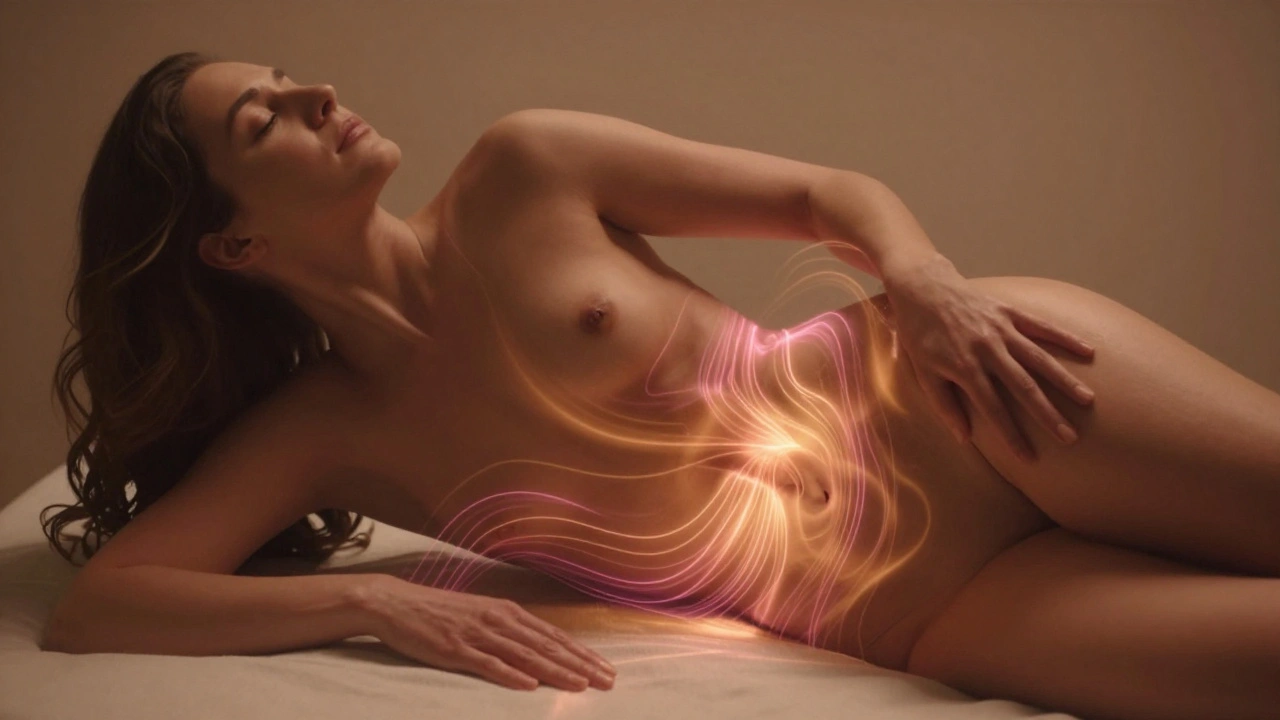
Where to Start
If you’re new to this:- Start with one phase-pick the follicular phase. It’s the safest, most welcoming.
- Use a water-based lubricant. Warm your hands first.
- Touch only what feels safe. No pressure. No goals.
- Take five minutes a day. Just breathe. Just feel.
- After a week, notice: Do you feel more grounded? Less tense? More present?
What If It Feels Awkward?
It will. That’s normal. Many women feel embarrassed, silly, or even guilty touching themselves there. That’s not your fault. Society has taught us to see our vulvas as shameful, dangerous, or dirty. But your yoni isn’t a problem. It’s a portal. A source of pleasure, power, and healing. The more you touch it with kindness, the more it will respond-with warmth, with ease, with quiet joy.Final Thought
Your cycle isn’t a flaw. It’s a feature. And your body isn’t asking for more drugs, more procedures, more fixes. It’s asking for one thing: attention. Yoni massage, tuned to your cycle, is the simplest, most profound way to give it.Can I do yoni massage myself, or do I need a professional?
You can absolutely do yoni massage yourself. Many women start with self-touch to reconnect with their bodies before working with a therapist. The key is to begin gently, focus on your breath, and follow your body’s signals. If you have trauma, chronic pain, or are unsure, it’s wise to work with a certified practitioner who understands cyclical timing and pelvic anatomy.
Is yoni massage safe during my period?
External touch is safe and can help ease cramps and tension. But internal massage during menstruation is not recommended. Your cervix is slightly open, your pelvic floor is relaxed, and your body is naturally releasing. Internal pressure can disrupt flow, increase bleeding, or raise infection risk. Stick to gentle strokes on the outer vulva, lower belly, or inner thighs during your period.
Do yoni eggs help with menstrual pain?
Yes, for many women. Regular use of yoni eggs during the follicular and ovulatory phases can strengthen pelvic floor muscles, improve circulation, and reduce cramping. However, they should not be used during menstruation or if you have an infection. Start with a smaller, lighter egg and use it for 10-15 minutes a day. Listen to your body-if it feels uncomfortable, remove it.
How long does it take to see results from cycle-adapted yoni massage?
Most women notice subtle changes within 2-3 cycles: less tension, better sleep, reduced cramps. Deeper emotional shifts and improved sexual response often appear after 4-6 months of consistent practice. The key isn’t intensity-it’s regularity. Even 5 minutes a day, aligned with your cycle, creates lasting change.
Can yoni massage help with low libido?
Yes, especially when timed to your cycle. Low libido is often tied to hormonal imbalance, stress, or disconnection from the body. Yoni massage during the follicular and ovulatory phases helps restore blood flow, release stored tension, and reconnect you to pleasure. It’s not about forcing desire-it’s about creating space for it to return naturally.
Are there any medical conditions that make yoni massage unsafe?
Yes. Avoid yoni massage if you have an active infection (yeast, UTI, herpes), pelvic inflammatory disease, recent pelvic surgery, or unexplained bleeding. If you have endometriosis, fibroids, or a history of sexual trauma, consult a healthcare provider or certified therapist before starting. Even gentle touch can trigger pain or emotional flashbacks if done too soon or too forcefully.