
Key Takeaways
- Media often conflates spiritual tantra with purely sexual services, distorting the original intent.
- Authentic practice prioritizes consent, communication, and emotional connection over physical goals.
- Professional massage therapy standards strictly prohibit sexual conduct, creating a clear line between clinical and intimate practices.
- True tantra is an expansive approach to energy and intimacy, not a "technique" for quick gratification.
The Cinematic Filter: How Media Distorts the Experience
When we see a "tantric session" in a movie, it usually follows a predictable pattern: dim lights, incense, and a rapid progression toward a sexual encounter. This narrative frames Tantric Massage is a practice rooted in the ancient Indian tradition of Tantra, designed to expand consciousness and intimacy through the movement of energy throughout the body. as a mere prelude to sex. By doing this, the media reduces a spiritual discipline to a luxury erotic service. This distortion does more than just mislead; it can actually normalize harmful behaviors. When media portrays these sessions as high-pressure environments where boundaries are blurred, it risks normalizing the objectification of the practitioner. In many fictional portrayals, the concept of consent is treated as a formality or something to be "negotiated" through seduction, rather than a continuous, active agreement between two people. This creates a dangerous precedent where people expect a level of aggression or lack of boundaries that simply doesn't exist in a safe, professional, or authentic setting.The Professional Wall: Clinical Therapy vs. Intimate Practice
One of the biggest points of confusion stems from the term "massage." In the real world, there is a hard line between a clinical Massage Therapist is a licensed healthcare professional trained in the manipulation of soft tissues to promote health and healing and an intimate practitioner. Licensed therapists follow strict professional standards. For instance, most governing bodies explicitly state that practitioners must refrain from any sexual conduct with clients. If you walk into a medical clinic for a therapeutic massage, the goal is muscle recovery or stress relief. However, the media often blends these two worlds, making it seem like a "special" kind of therapist provides these services. In reality, authentic tantric work happens in a different context-either between consenting partners or with a specialized practitioner whose framework is based on Sexual Wellness is an approach to health that emphasizes a positive and respectful approach to sexuality and sexual relationships rather than clinical physical therapy.| Feature | Media Depiction | Authentic Tantra |
|---|---|---|
| Primary Goal | Quick sexual gratification | Expanded awareness and intimacy |
| Pace | Fast-tracked to a climax | Slow, mindful, and meditative |
| Communication | Implicit/Seductive | Explicit and continuous |
| Focus | Genital-centric | Full-body energy flow |
What Actually Holds True: The Reality of Tantra
If we strip away the Hollywood lighting, what is actually left? At its core, authentic tantric massage is an invitation to go deeper into intimacy. It isn't about a specific sequence of moves-though techniques like mindful breathing and slow touch are used-but about the state of being. In a real session, communication is the most critical tool. It isn't just a conversation at the start; it's a constant loop of feedback. Practitioners emphasize creating a "safe container," which means a space where the recipient feels completely secure in their boundaries. Unlike the media's "surprise" elements, everything in a legitimate practice is transparent. Furthermore, the focus is on Energy Work is the practice of directing the flow of life force or prana within the body to clear blockages and promote healing. Instead of rushing toward a specific physical result, the goal is to feel the sensation in every part of the body. This shift from "goal-oriented" to "presence-oriented" is exactly what the media ignores because "presence" doesn't make for an exciting movie scene.The Role of Consent and Boundaries
In the movies, boundaries are often portrayed as obstacles to be overcome. In real-life Tantric Practice is the application of tantric principles to physical and spiritual exercises to achieve a higher state of consciousness, boundaries are the foundation of the experience. Without a strict sense of safety, the body cannot relax enough to actually experience the energy shifts that tantra promises. Authentic practitioners use a process of active consent. This means they don't just ask once at the beginning; they check in throughout the session. They might ask, "How does this pressure feel?" or "Are you comfortable moving to this area?" This is a far cry from the "mysterious" and often pushy approach seen in fictional portrayals. When the media erases this dialogue, they erase the very thing that makes the practice healing: the trust between the giver and the receiver.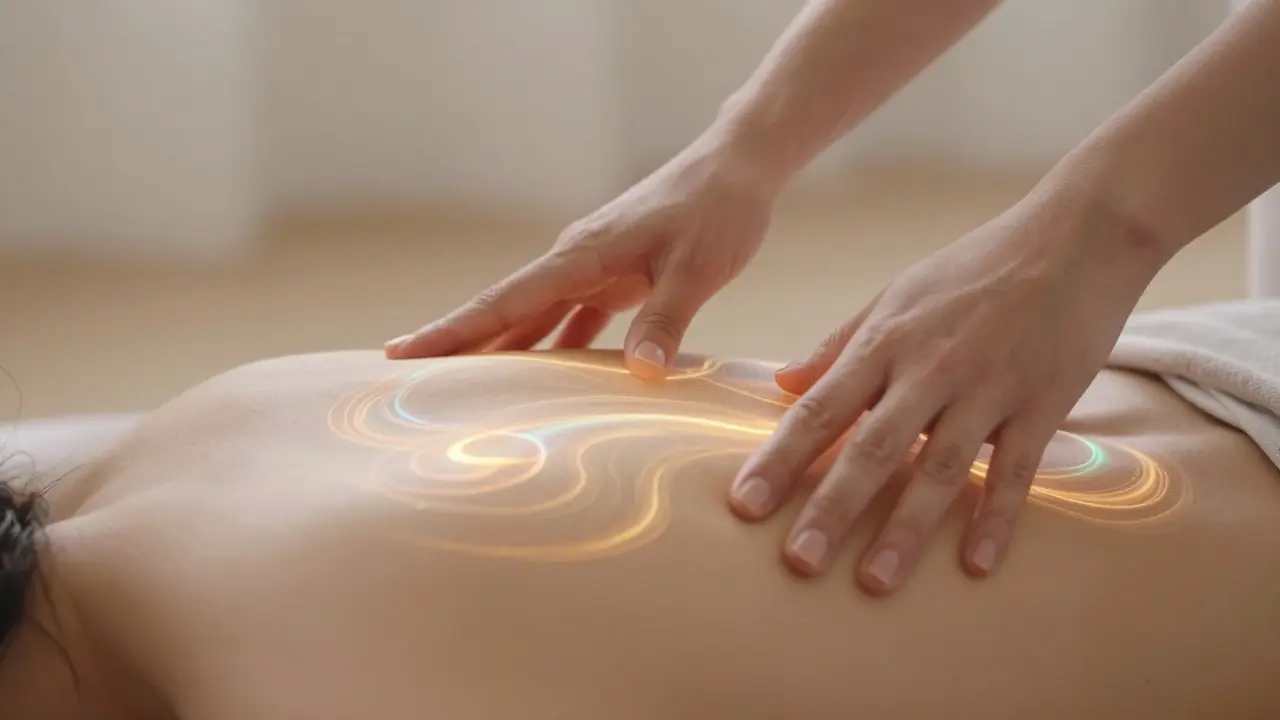
How to Navigate the Real World of Tantric Wellness
Because the media has blurred the lines, it can be hard to tell who is a legitimate practitioner and who is just using a spiritual buzzword to sell a service. If you're looking for an authentic experience, the red flags are usually found in the marketing. If a website promises a "guaranteed climax" or uses overly sexualized imagery, they are likely following the media's distorted script rather than the tradition's actual teachings. A legitimate practitioner will talk about breathwork, presence, emotional release, and boundary setting. They will be more interested in your mental state than your physical expectations. For those practicing with a partner, the best way to avoid the "media trap" is to stop focusing on the destination. Instead of trying to replicate a scene from a movie, try focusing on the feeling of your skin against your partner's for ten minutes without any goal other than noticing the sensation. That is the essence of tantra-the movement from the "what happens next" to the "what is happening now."Is tantric massage always sexual?
No. While it deals with sensual energy, the goal of authentic tantric massage is the expansion of consciousness and intimacy. It focuses on the flow of energy throughout the entire body, not just the genitals. Depending on the practitioner and the intent, it can be a purely spiritual or emotional experience without ever becoming a sexual act.
How can I tell if a practitioner is legitimate?
Look for those who prioritize a detailed intake process and a thorough discussion about boundaries and consent. Legitimate practitioners focus on "holding space" and emotional presence rather than promising specific physical results or using explicit, sales-heavy marketing.
What is the difference between a masseuse and a massage therapist?
The term "masseuse" is a French term historically referring to a female practitioner. "Massage therapist" is a professional, gender-neutral designation for someone trained in clinical techniques to treat muscle pain, injury, or chronic tension. The latter is a regulated medical profession, whereas the former is often used more colloquially.
Why does the media keep distorting this practice?
Media thrives on conflict, tension, and quick resolution. The slow, meditative, and often quiet nature of real tantra doesn't translate well to a fast-paced plot. It's much easier to market the "taboo" or eroticized version of a practice than the complex spiritual discipline behind it.
Can I practice tantric massage with my partner at home?
Absolutely. In fact, many practitioners suggest that the most authentic form of tantra happens between partners. The key is to remove the pressure of a "result" and focus on mindful touch, deep breathing, and open communication about what feels good and what the boundaries are.