When you hear the term Tantric Massage, your mind might jump to a few specific images. Maybe it’s something from an adult film, or perhaps a vague idea of spiritual sex work. The reality is quite different-and far more grounded. Tantric massage is not about sexual performance. It isn’t even primarily about pleasure in the way we usually think of it. Instead, it is a holistic bodywork practice that uses touch to awaken energy, release emotional blocks, and reconnect the mind with the physical body.
If you are curious about trying this practice, or if you’ve heard conflicting stories about what happens in a session, you need a clear map. This guide breaks down exactly what tantric massage is, where the hard boundaries lie, and why people seek it out for healing rather than just gratification.
What Is Tantric Massage? A Clear Definition
To understand tantric massage, we have to strip away the modern commercial noise. At its core, tantric massage is a gentle, energetic full-body treatment that includes intimate areas, performed with deep respect and reverence for the recipient. Think of it less as a service you buy and more as a ritual of honoring the human vessel.
The practice blends ancient principles from Tantra and Taoism with modern therapeutic techniques. In the Czech Republic, for example, this form of massage gained traction after the year 2000. Pioneers like Richard Vojík and Denisa Říha Palečková introduced it based on German schools of thought. By 2005, Denisa Říha Palečková had established the Tantra Spa school, training hundreds of professionals in this specific ritualistic approach. This history shows that while the roots are ancient, the modern professional framework is relatively recent and highly structured.
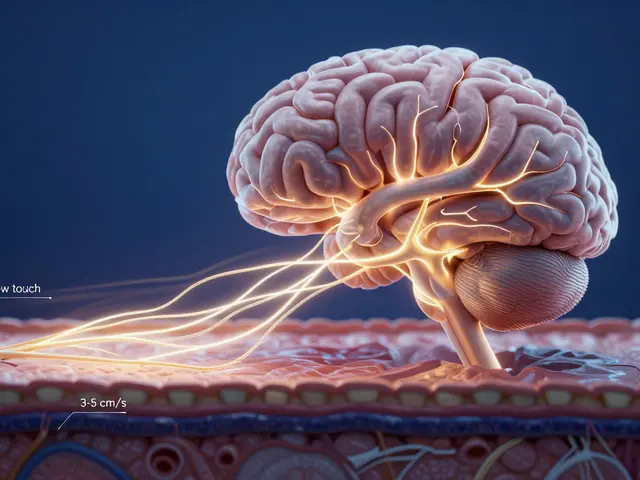
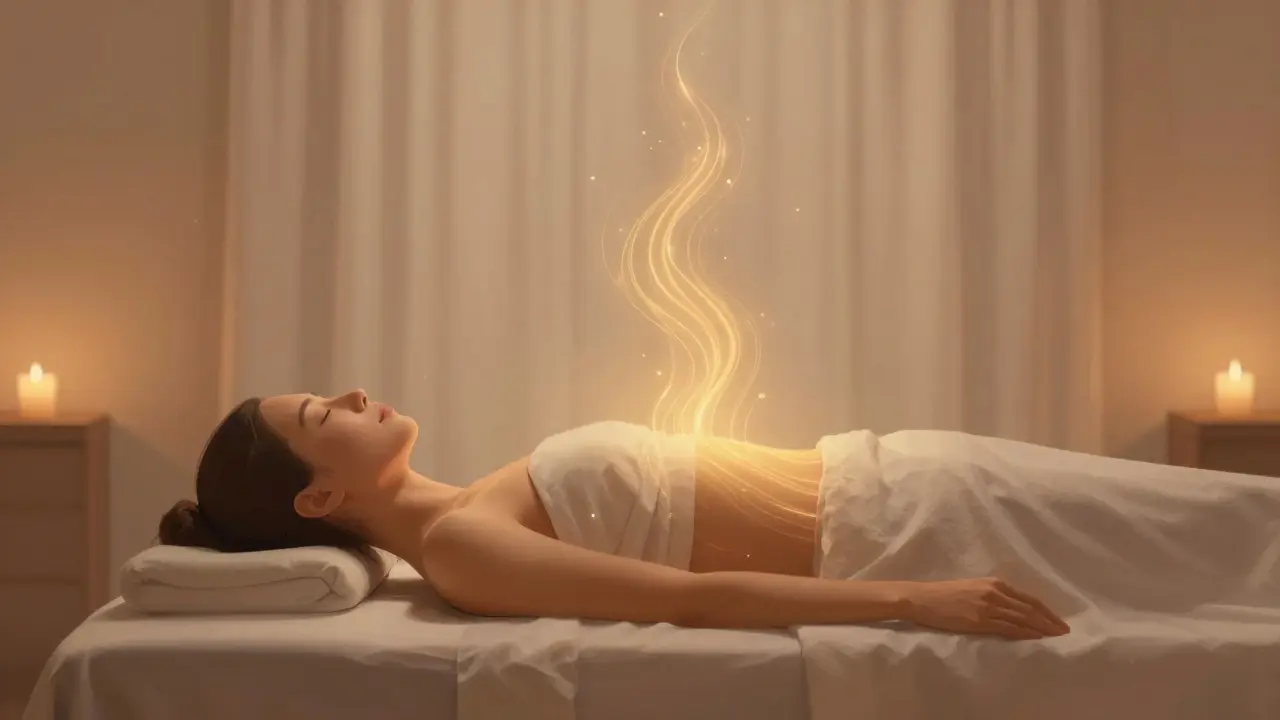
The goal isn’t to tickle your fancy or rush toward a climax. The aim is to vibrate life force energy-often called Kundalini energy or "snake power" in Hindu and yogic traditions-throughout the entire body. It seeks to connect all energy channels into one unified, spiritual experience. When done correctly, it feels less like a medical procedure and more like a dance of energy and love, where conscious touch transcends the physical skin to address the spirit.
The Core Purpose: Healing, Not Just Pleasure
Why do people spend hours on a massage table doing this? The answer lies in the distinction between orgasm and ecstasy. While an orgasm can occur during a session, it is never the primary target. If the therapist is focused on getting you to climax, they are not practicing true tantric massage; they are providing erotic services.
The real purpose is self-discovery and internal growth. Here is what the practice actually aims to achieve:
- Awakening Vital Energy: It activates dormant Kundalini energy, helping you feel more alive and present in your daily life.
- Emotional Release: Many of us store trauma, stress, and sadness in our tissues, particularly in the pelvic region. Tantric massage helps dissolve these physical manifestations of emotional pain.
- Mind-Body Reconnection: Modern life keeps us in our heads. This practice forces you back into your body, creating a state of deep relaxation where time and space seem to fade away.
- Spiritual Unity: It fosters a sense of oneness between soul, heart, and body, often described as a state of spiritual ecstasy.
You might leave a session feeling lighter, clearer, and more connected to yourself. It is a tool for healing, allowing you to focus on personal intentions and goals with a renewed sense of vitality.
Hard Boundaries: What Tantric Massage Is NOT
This is the most critical section for anyone considering this therapy. There is a massive gray area in the wellness industry, and knowing the rules protects both the client and the practitioner. Tantric massage is strictly defined by what it excludes.
| Feature | Tantric Massage | Erotic/Sensual Massage |
|---|---|---|
| Primary Goal | Energy awakening, healing, self-awareness | Sexual arousal, physical pleasure |
| Sexual Acts | Strictly prohibited (no kissing, no oral sex) | Often included or implied |
| Role of Therapist | Guide, energy holder, respectful observer | Participant in sexual activity |
| Focus Area | Whole body energy system, including genitals as energy centers | Erogenous zones for stimulation |
| Outcome | Emotional release, spiritual clarity | Physical satisfaction, orgasm |
In a legitimate tantric session, kissing is a taboo. Oral sex is a taboo. Any form of classical intercourse is a taboo. The therapist does not engage in sexual acts with the client. The nudity involved is symbolic-it represents openness, naturalness, and the absence of hiding. It is not an invitation for mutual sexual exchange.
The roles are clearly divided: there is the giver (the therapist) and the receiver (the client). The therapist maintains a professional boundary while holding a safe space for the client’s vulnerability. This structure ensures that the focus remains on the client’s internal journey, not the therapist’s desires.

The Ritual: How a Session Unfolds
A tantric massage is not just rubbing oil on skin. It is a structured ritual designed to move energy safely. Most sessions begin with the client standing. This phase is called "tuning in." The therapist guides you into natural breathing patterns and establishes contact through light touch. The goal here is to draw tension out of the body, helping you "melt" into your physical form. You stop thinking and start feeling.
Once you are relaxed, the oiled portion begins. This part combines Taoist massage techniques with traditional bodywork. The therapist works on opening the "inner flute," a metaphor for the central energy channel running along the spine and coccyx. Touches may be light and energetic, or deeper into the tissue, depending on where blocks are felt.
No part of the body is skipped. The glutes, the lower back, and the pelvic floor are treated with the same care as the shoulders or neck. This inclusivity is vital because sexual energy resides throughout the whole system, not just in the genitals. By treating the entire body as one continuous energy field, the massage prevents compartmentalization of stress and trauma.
Types and Durations of Sessions
Not all tantric massages are created equal. Depending on your comfort level and goals, you might choose different formats. Understanding these options helps you set realistic expectations.
- The Art of Touch (60-120 minutes): This version does not include intimate massage of the genitals. It focuses on the outer body, energy channels, and general relaxation. It is ideal for beginners who want to experience the energy work without the intensity of genital contact.
- Classic Tantric Massage (1.5 hours): This includes the full body, including the pelvic area and genitals, but focuses on energy flow rather than stimulation. It is the standard introduction to full tantric work.
- Luxury Tantric Massage (2 hours): A deeper dive into the same techniques as the Classic, but with more time spent on releasing complex blocks and achieving deeper states of trance.
- Royal Tantric Massage (3 hours): An intensive session designed for significant emotional processing and deep energetic clearing. It allows for longer periods of stillness and integration.
- Mystic Tantric Massage (5 hours): This is a profound, transformative experience. It is not for everyone, as it requires high emotional resilience. It aims for complete dissolution of ego boundaries and deep spiritual union.
Choosing the right duration depends on your current stress levels and your familiarity with bodywork. If you are new to this, starting with the "Art of Touch" or the "Classic" session is wise. Jumping straight into a five-hour Mystic session can be overwhelming if you haven’t built up your capacity to hold and process intense emotions.

Real Benefits: Beyond the Hype
So, what do you actually get out of this? Aside from the obvious relaxation, the benefits are psychological and energetic. Clients often report a heightened sensitivity to their own needs. You learn to listen to your body’s signals more accurately. This improved body awareness translates to better relationships, as you become more attuned to your partner’s non-verbal cues.
Furthermore, the practice helps utilize Kundalini energy more effectively. In yoga and tantra, this energy is seen as the creative force of life. When it is blocked, we feel lethargic, depressed, or stuck. When it flows, we feel inspired, creative, and vibrant. Tantric massage removes the debris clogging these channels, allowing your natural vitality to return.
It also aids in concentration. By learning to stay present in the moment during the massage-without judging sensations or rushing to an outcome-you train your brain to maintain focus in daily life. This mindfulness reduces anxiety and improves mental clarity.
Finding a Safe Practitioner
Because the boundaries between tantric and erotic massage can be blurred in marketing, due diligence is essential. Look for practitioners who emphasize education, lineage, and clear ethical codes. In Europe, for instance, schools like those founded by Denisa Říha Palečková provide certified training that prioritizes safety and professionalism.
A good therapist will discuss consent extensively before the session starts. They will explain what will happen, ask about your limits, and check in with you throughout the process. If a provider pressures you, avoids discussing boundaries, or hints at sexual favors, walk away immediately. True tantric massage is about empowerment, not exploitation.
Is tantric massage legal?
Yes, tantric massage is legal in most countries when practiced within therapeutic and educational frameworks. However, laws vary by region regarding nudity and touch. Always ensure your practitioner operates within local regulations and holds proper business licenses. The key distinction is that it must remain a non-sexual service.
Do I have to be naked?
Traditionally, yes, nudity is part of the ritual to symbolize openness and remove barriers. However, reputable therapists always prioritize your comfort. If you are not comfortable being fully nude, you can negotiate covering certain areas. The goal is your safety and relaxation, not forcing you into discomfort.
Can men receive tantric massage?
Absolutely. Tantric massage is gender-neutral. Men often benefit greatly from the release of stored tension in the pelvic floor and the opportunity to explore vulnerability without performance pressure. Many male clients report improved sexual health and emotional balance after regular sessions.
What should I wear to a session?
You typically change into provided robes or sheets upon arrival. For the massage itself, you will likely be undressed according to the tradition discussed earlier. Comfortable clothing is recommended for after the session, as you may feel sensitive or chilled as your energy settles.
How long does it take to see results?
Many clients feel immediate relief from stress and tension after the first session. However, deeper emotional releases and shifts in body awareness often accumulate over multiple sessions. Think of it like physical therapy for your energy system; consistency yields the best long-term results.
Is tantric massage religious?
No. While it draws from ancient spiritual traditions like Tantra and Taoism, it does not require any religious belief. It is a secular practice focused on physiology, psychology, and energy dynamics. People of all faiths, and none, can benefit from it.