

Imagine walking into a massage room seeking deep healing and a new relationship with your body, only to leave feeling panicked, triggered, or emotionally shattered. For many, especially those who have survived abuse or significant emotional distress, the promise of a transformative experience can inadvertently lead to a dangerous psychological setback. The risk isn't in the practice itself, but in the gap between a wellness service and clinical psychological safety. When a practitioner lacks the tools to handle a client's trauma response, a session meant for liberation can become a source of retraumatization.
What Makes Tantric Massage Different?
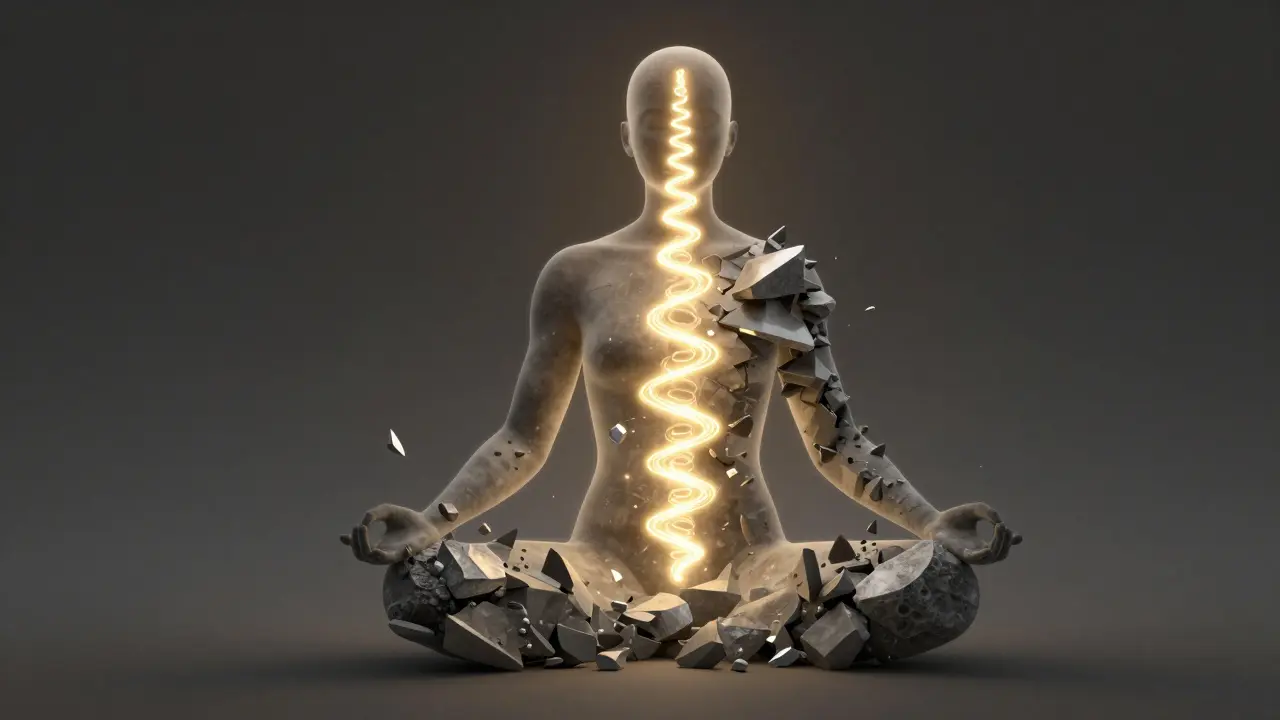
To understand the risks, we first need to define what we are talking about. Tantric Massage is a holistic bodywork practice that blends classic massage techniques with ancient Eastern tantric traditions. Unlike a standard Swedish massage that focuses on muscle tension, this approach views the body as a map of energy. It aims to harmonize the mind, body, and spirit by working with Kundalini energy-the latent life force often described as a coiled serpent at the base of the spine.
The primary goal isn't sexual gratification, but the awakening of life energy and the "opening of the heart." However, this process involves touching areas usually avoided in professional massage, including the pelvic floor, genitals, and breasts. Because these areas are often where trauma is physically "stored," the potential for a strong emotional or physiological reaction is high. When a practitioner is in a meditative state and energetically connected to the client, they can help move these blocks, but without proper training, they might accidentally push a client back into a traumatic memory.
The Danger of Retraumatization
Retraumatization happens when a person experiences a situation that mimics a past trauma, triggering the same intense emotional and physical distress without the support needed to process it. In the context of tantric work, this often manifests as a panic attack, dissociation (feeling detached from the body), or an overwhelming sense of shame during or after the session.
A critical issue is that many practitioners are trained in the technique of massage-how to move their hands and how to breathe-but not in the psychology of trauma. For instance, a client might suddenly freeze or stop breathing during a touch to the hip area. A practitioner without trauma-informed training might see this as a "block" to be pushed through or ignored, whereas a trained professional recognizes this as a survival response (the freeze response) and immediately halts the process to provide grounding support.
| Feature | Classical Massage | Erotic Massage | Tantric Massage |
|---|---|---|---|
| Primary Focus | Muscular tension/Pain | Sexual stimulation | Energy flow & Spiritual awakening |
| Intimate Areas | Generally avoided | Central focus | Included for energetic release |
| Desired Outcome | Physical relaxation | Orgasm/Pleasure | Holistic harmony & Emotional release |
| Trauma Risk | Low to Moderate | Moderate | High (due to emotional depth) |
Spotting a Trauma-Informed Practitioner
Not all massages are created equal. If you have a history of trauma, you shouldn't just look for a "good" massage therapist; you need someone practicing Trauma-Informed Care, which is an organizational framework and clinical approach that involves understanding, recognizing, and responding to the effects of all types of trauma ].
Since this field is often unregulated-meaning it's viewed as a wellness service rather than a medical one-the burden of screening falls on the client. A professional who actually knows how to handle trauma will not rush you into a session. They will prioritize your psychological safety over the "flow" of the massage. Look for therapists who mention specific certifications in somatic experiencing or psychology and who are open to discussing their approach to boundaries before you even book.
Here are a few red flags to watch out for during your first interaction:
- The therapist dismisses your concerns about trauma as "just blocks" that the massage will automatically fix.
- They avoid explaining exactly how they handle boundaries or "stop signals."
- The intake process is a quick 5-minute chat rather than a detailed conversation about your history and needs.
- They pressure you to "surrender" or "let go" before trust has been established.
Practical Steps for a Safe Session
If you decide to pursue tantric massage for healing, you can take active steps to prevent a negative experience. The goal is to move from a state of vulnerability to a state of empowered choice.
- Demand a Thorough Intake: A safe session starts with a consultation of at least 30 minutes. This is where you discuss your triggers, your physical boundaries, and your emotional goals.
- Establish a Safety Signal: Don't just rely on saying "stop." Sometimes, when we are triggered, our voice disappears. Agree on a non-verbal signal, like tapping the therapist's arm twice or dropping a small object, which means "stop immediately."
- The "Gradual Entry" Method: Start with a standard relaxation massage. Spend time getting used to the therapist's touch and the environment before moving into the more intimate or energetic aspects of tantric work.
- Prioritize Grounding: Ensure the therapist has a plan for after the massage. You shouldn't be sent back into the world immediately after a deep emotional release. You need time to drink water, breathe, and "land" back in your body.
- Pair with Therapy: If you are using this as a tool for healing, do not do it in isolation. Combine these sessions with a licensed psychotherapist who can help you integrate the emotions and memories that surface during the massage.

The Role of Somatic Healing
Why go through the risk at all? Because the body remembers what the mind tries to forget. Somatic Therapy is a form of therapy that focuses on the connection between the mind and body to heal trauma. When we experience trauma, the nervous system can get stuck in a state of high alert (hyperarousal) or shut down completely (hypoarousal).
A skilled tantric practitioner acts as a co-regulator. By providing a safe, loving, and predictable touch, they help the client's nervous system realize that the danger is over. For some, this is the only way to finally let go of the shame or fear associated with their body. When done correctly, it can be a profound experience of reclaiming one's sexuality and physical presence. However, this only works if the practitioner maintains a strict boundary and a high level of psychological awareness.
Can tantric massage actually cure trauma?
It is not a "cure" in the medical sense, but it can be a powerful tool for somatic release. While it helps resolve the physical tension and emotional blocks stored in the body, it should be used as a complement to professional psychotherapy, not a replacement for it.
What should I do if I feel a panic attack coming on during a session?
Use your pre-agreed safety signal immediately. If you cannot, simply say "Stop" or "I need a break." A professional practitioner will stop all touch, give you physical space, and help you ground yourself using breathing techniques or by asking you to name things you see in the room.
Is it normal to cry or feel intense anger during a tantric massage?
Yes, this is quite common. These are called emotional releases. However, the difference between a healing release and retraumatization is the presence of safety. If you feel held and supported, it can be healing. If you feel panicked, trapped, or ignored, it is a sign that the session is becoming unsafe.
How do I find a truly certified trauma-informed therapist?
Ask for specific certifications. Look for training in Somatic Experiencing, EMDR, or certified trauma-informed programs. Ask them how many hours of psychological training they have completed specifically for working with trauma survivors, rather than just general massage training.
Does the goal of tantric massage include sexual climax?
In a professional, therapeutic context, no. While sexual energy is awakened and may result in arousal, the goal is the circulation and expansion of that energy throughout the body, not the specific act of climax. A therapist who pushes for a sexual outcome is likely not providing a therapeutic tantric experience.
Next Steps for Your Healing Journey
If you are currently in a state of crisis or have severe, untreated PTSD, it is highly recommended to stabilize your nervous system with a therapist before attempting any intimate bodywork. Start by tracking your triggers-know what touches, words, or environments make you feel unsafe.
For those who are ready, the best path is a slow one. Don't rush the process. Start with a consultation, build trust over several non-intimate sessions, and always keep your safety signals within reach. Your body is the only home you have; treat it with the utmost patience and protection.