When you think of tantric massage, you might picture something sensual, maybe even erotic. But that’s only the surface. Underneath it all is a centuries-old spiritual tradition rooted in ancient India, where touch becomes a sacred act-not to arouse, but to awaken. Tantric massage isn’t about sex. It’s about energy. It’s about reconnecting with your body as a vessel of life force, not just flesh and bone. And the rituals? They’re the bridge between the physical and the spiritual.
The Sacred Space: Setting the Stage
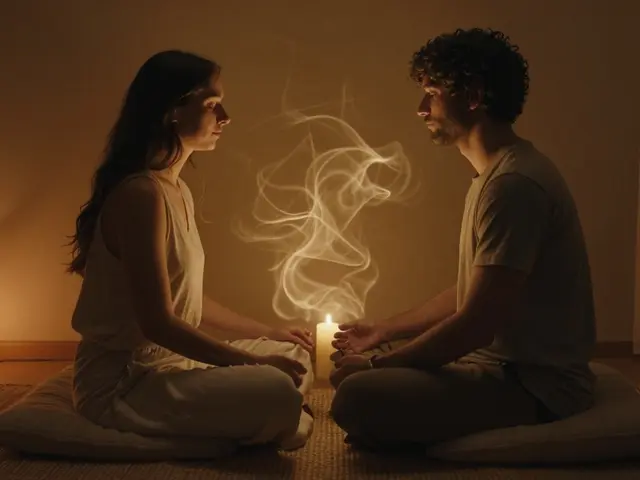
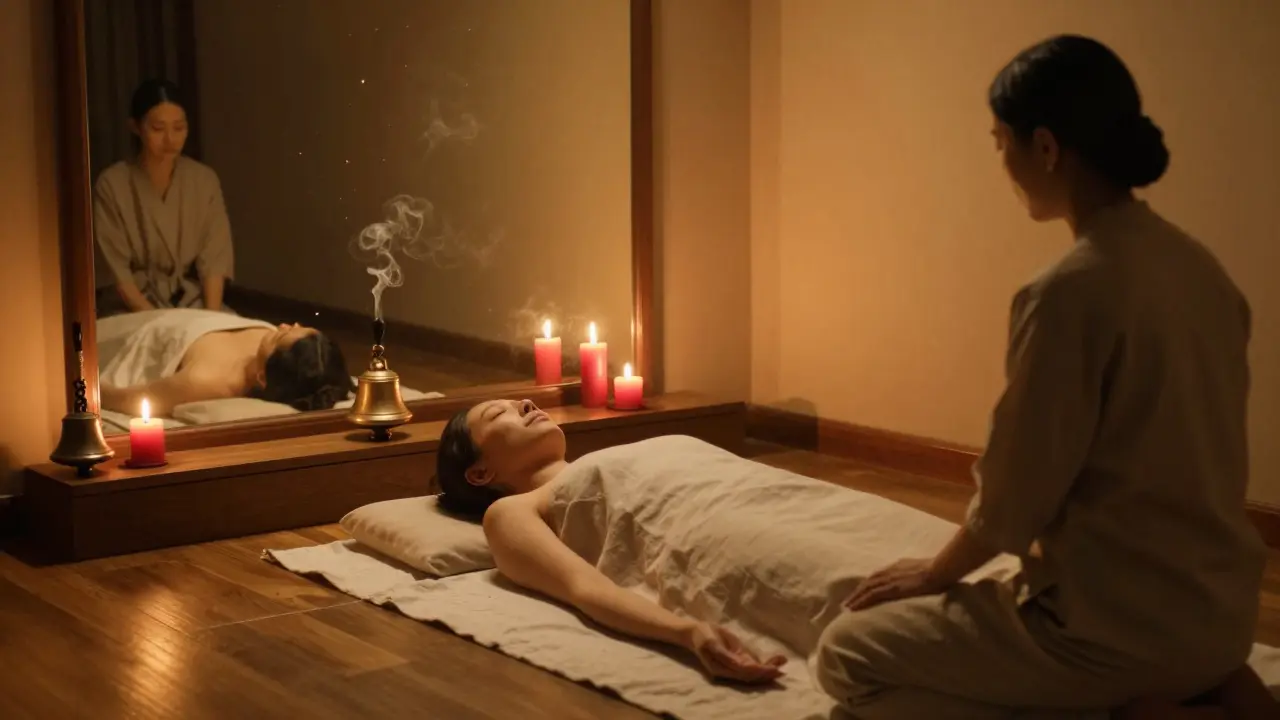
Before a single touch is made, the space is prepared. Candles flicker in red and gold. Incense curls into the air-sandalwood, patchouli, or frankincense. A soft chime from a koshi bell rings out, not as music, but as a signal: time has shifted. The room is quiet, warm, and dim. Two mirrors reflect the space, not to show vanity, but to help the receiver see themselves fully-no hiding, no shame. This isn’t a spa treatment. It’s a ceremony. The client and practitioner are both nude. Not for titillation, but for truth. Nakedness here means surrender. No clothes to block energy. No barriers between skin and skin, breath and breath. For men, a cloth wraps the genitals-not to conceal, but to honor. For women, no covering. The body is not an object. It’s a temple. The practitioner doesn’t rush. They sit quietly for minutes before beginning, tuning into the client’s energy. They feel the rhythm of their breath. They sense where tension lives-not just in the shoulders or lower back, but in the silence between heartbeats. This is the first ritual: presence.The Touch That Moves Energy
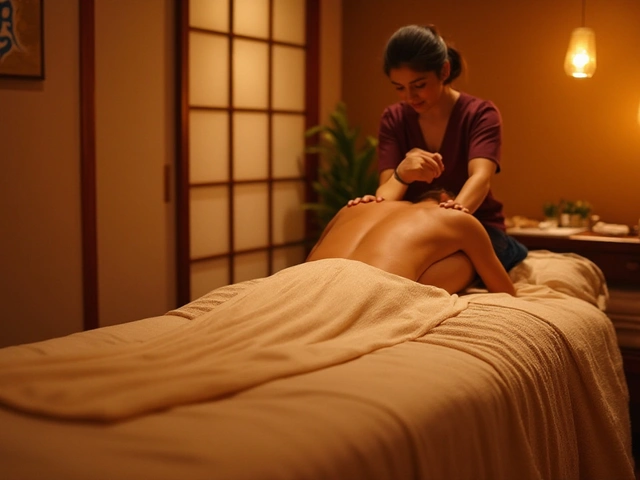
The massage begins with slow, deliberate strokes. Not kneading. Not pressing hard. Just… touching. Fingers glide over the spine like wind over water. The back of the hand brushes the inner thighs-not to excite, but to invite awareness. A warm, damp cloth is gently laid across the abdomen. The heat doesn’t just relax muscle. It wakes up nerve endings long asleep. Every touch is intentional. A feather might trace the arch of the foot. A silk scarf brushes the collarbone. Oil-coconut, sesame, or infused with rose or ylang-ylang-is warmed and poured slowly, not just to lubricate, but to carry intention. The practitioner doesn’t follow a fixed sequence. They follow the energy. Where it’s stuck, they linger. Where it flows, they let it move. The body begins to respond-not with arousal, but with trembling. A shiver runs down the legs. A sigh escapes the lips. Tears may come. This isn’t sadness. It’s release. Emotions buried for years-fear, shame, grief-rise to the surface because the body, when truly seen and held, remembers what the mind forgot.Intimacy as Spiritual Practice
The final third of the session is devoted to the genitals. For women, this means gentle, non-stimulating touch to the yoni. For men, the lingam-never with the goal of orgasm, but to guide energy upward. Prostate massage may be included, but only with deep consent and clear intention. This isn’t erotic play. It’s energy alchemy. In tantra, sexual energy isn’t something to be used or consumed. It’s the raw power of life itself. The goal is to lift it-not down into the pelvis, but up through the spine, into the heart, and beyond. This is where the ritual becomes transformation. The energy that usually ends in release is redirected into stillness. Into silence. Into connection. You don’t need to be with a partner to feel this. You don’t even need to be touched by another. But when someone else holds you with this kind of presence, it mirrors back what you’ve forgotten: you are worthy of deep, sacred touch.Left Hand vs. Right Hand Tantra
Not all tantra is the same. There’s a distinction between left-hand and right-hand tantra-though these terms are often misunderstood. Right-hand tantra is the traditional path: meditation, mantras, fire rituals, and disciplined practice. It’s about purification. Left-hand tantra, often misrepresented in the West, uses physical experience-including sexuality-as a path to awakening. But even here, it’s not about indulgence. It’s about awareness. Modern tantric massage draws from both, but leans toward the left-hand path in its use of the body. Yet it keeps the ethical core: no exploitation. No manipulation. No agenda. The practitioner’s role isn’t to fix you, seduce you, or sell you a fantasy. It’s to hold space so you can find your own truth. In Prague, Vienna, or Portland, practitioners trained in this tradition spend years learning-not just technique, but presence. They study breathwork, chakras, energy channels, and emotional holding. They learn to sit with silence. To listen without speaking. To touch without needing a reaction.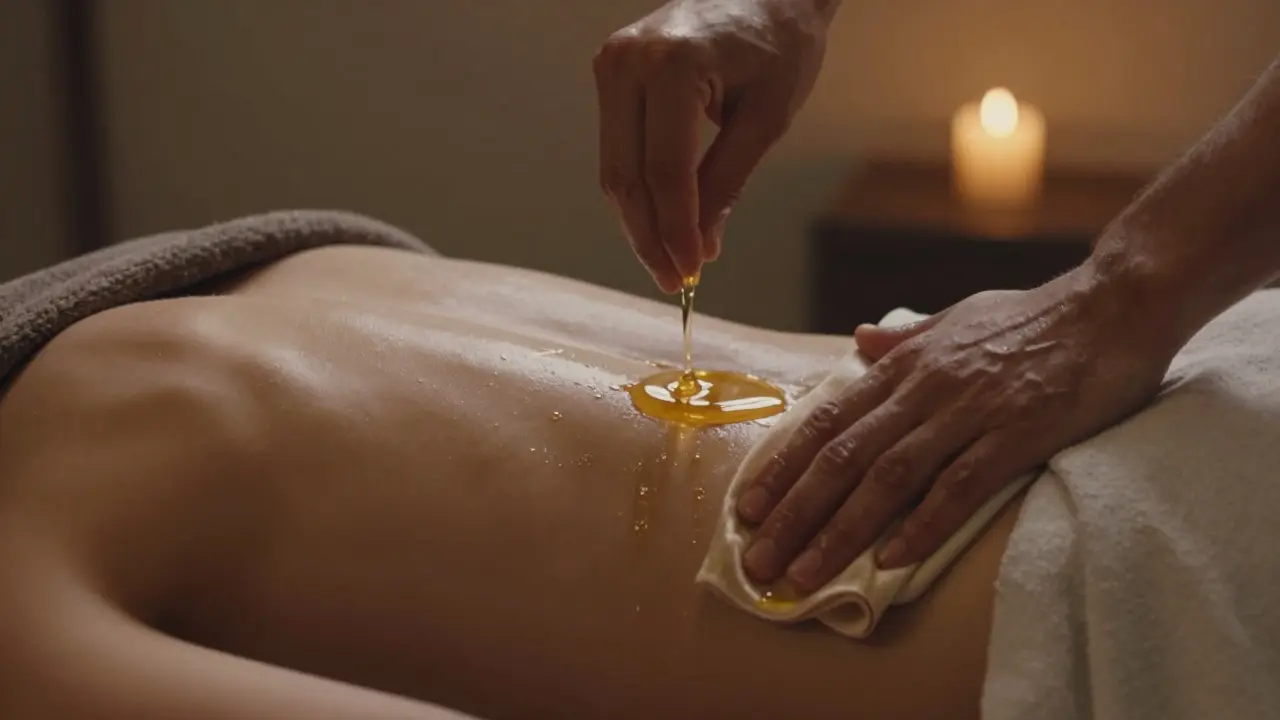
Why This Matters Now
In a world where touch is either clinical (physical therapy) or commercial (erotic services), tantric massage offers something rare: sacred intimacy. It doesn’t pathologize sexuality. It doesn’t shame the body. It doesn’t reduce love to performance. People come to tantric massage not because they’re broken, but because they’re tired. Tired of numbness. Tired of being seen only for appearance. Tired of connecting through screens, not skin. The rise in demand isn’t random. In the Czech Republic, tantric massage centers are growing by 15% a year. In the U.S., more therapists are training in energy-based modalities. Why? Because people are searching for something real. Something slow. Something that doesn’t end when the session does.The Aftermath: Integration
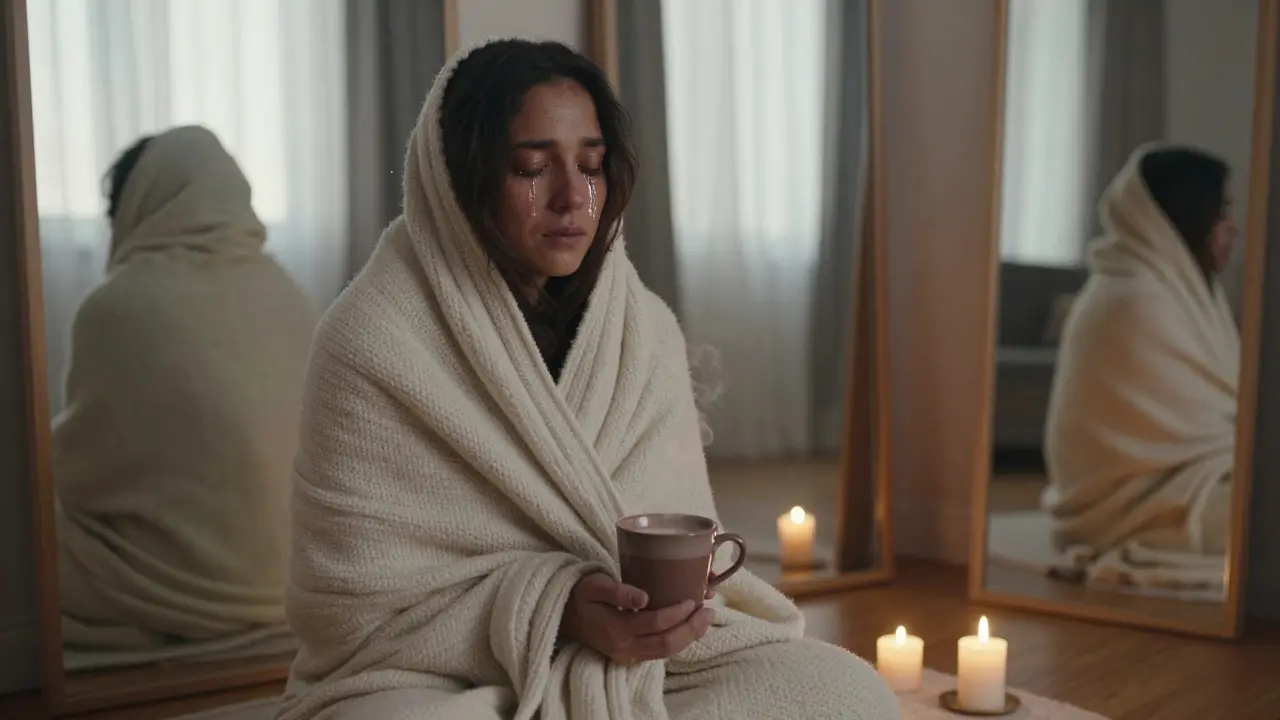
The massage doesn’t end when the oil is wiped away. The real work begins after. Clients are often asked to sit quietly for 20-30 minutes afterward. No phone. No talking. Just breathing. Some drink ceremonial cacao. Others wrap themselves in a blanket and stare at the ceiling. This is integration-the time when the energy settles, when insights surface, when the body remembers it’s not separate from the universe. One woman, after her first session, said: "I felt like I was meeting myself for the first time." Another, a veteran of trauma therapy, cried for an hour after and said: "No one has ever touched me like that without asking for anything." This is the purpose of tantric ritual-not to give you a quick high, but to help you remember who you are beneath the noise.What It’s Not
Let’s be clear: tantric massage is not erotic massage. It’s not a date. It’s not a hook-up. It’s not about performance, orgasm, or pleasing the practitioner. It’s not a cheap version of a spa day with extra nudity. If someone offers "tantric massage" but skips the silence, skips the intention, skips the sacred space-then it’s not tantra. It’s just sex with a fancy label. True tantric practice respects the line between healing and exploitation. It asks for consent at every step. It honors boundaries. It doesn’t promise enlightenment. It simply offers a mirror.