Lava Stones for Tantra Massage: A Comprehensive Guide to Buying and Using
Imagine sinking into a soft bed where the weight of the world literally melts off your shoulders. This isn't just a metaphor when you combine Lava Stones with tantric principles. There is something deeply primal about holding a smooth, heated rock against your skin. The warmth penetrates layers of tension that hands alone can sometimes miss.
In recent years, the fusion of traditional hot stone therapy with spiritual bodywork has surged in popularity. If you are here, you likely feel the pull toward deeper relaxation methods but aren't sure where to start. You want safety, efficacy, and a tool that elevates your practice without causing injury. This guide cuts through the marketing fluff to give you practical steps on selecting the right stones and using them effectively for profound physical and energetic release.
Understanding the Power of Heated Stones
When you place a warm object against your skin, your body reacts immediately. This reaction isn't just psychological; it is physiological. Hot Stone Therapyis a therapeutic technique using heated rocks to promote deep muscle relaxation has roots stretching back thousands of years. In the context of tantric work, these stones become more than just heaters; they act as conductors of energy.
The science is straightforward yet powerful. Heat causes vasodilation, which means your blood vessels widen. This increases blood flow to the muscles and helps flush out metabolic waste products that contribute to stiffness. When combined with slow, mindful touching-the hallmark of Tantra Massage-the effect multiplies. You get a state where the mind slows down while the body physically softens. It creates an "energy bomb," a term often used by practitioners, where you feel recharged for days after the session.
You might wonder how this differs from a standard steam room. The difference lies in the direct contact and specific placement. While a sauna heats your whole environment vaguely, stones target specific pressure points, meridians, and chakras. This precision allows you to address localized pain, such as chronic neck tension, while simultaneously working on the emotional blockages associated with that area.
Selecting the Right Stones for Your Practice
Not all rocks are created equal. If you grab random stones from a garden path, you risk burns, uneven heating, or even skin irritation. To get the best results, you need to look for specific qualities in your equipment.
Material Matters
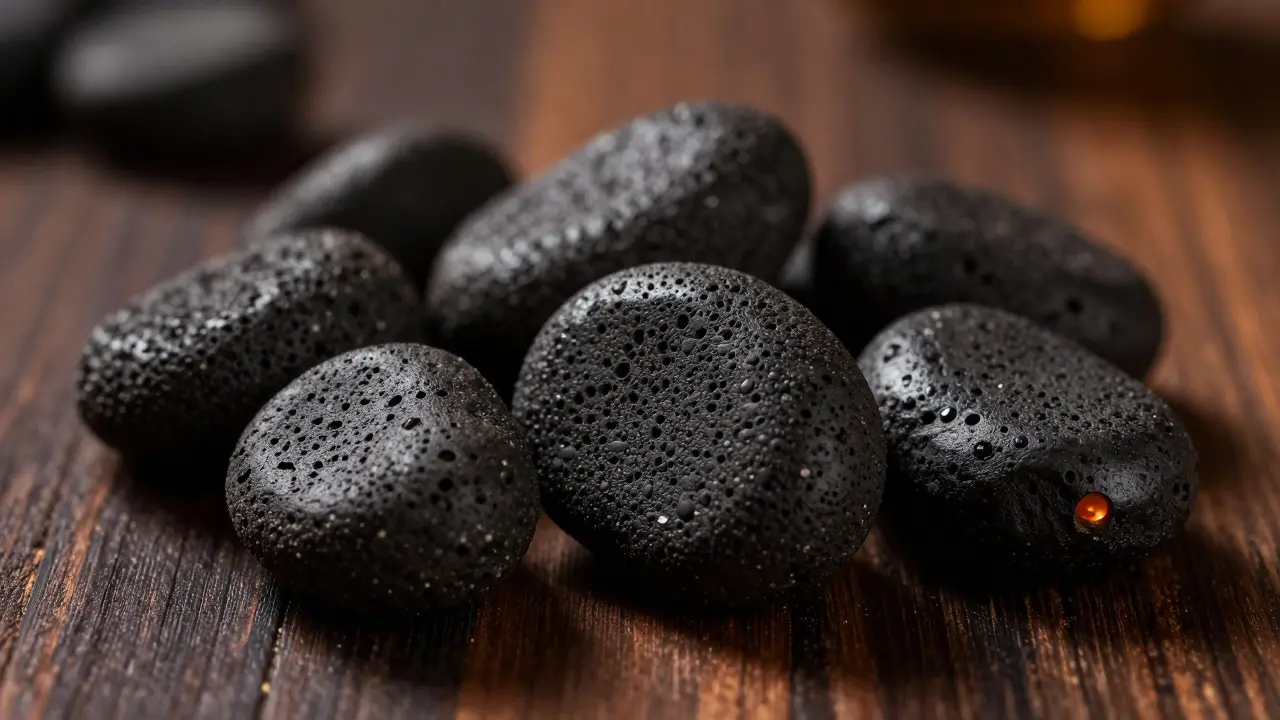
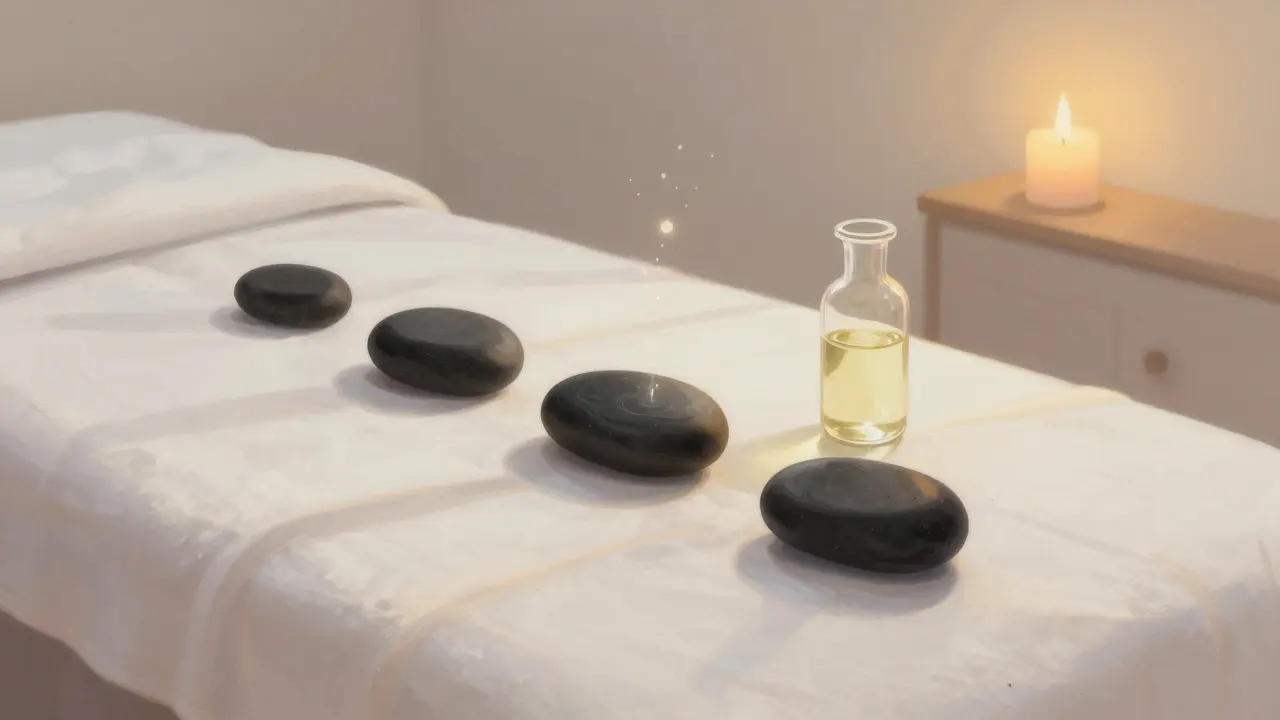
You should choose polished Basalt Rock. This type of volcanic rock is dense, holds heat exceptionally well, and has a naturally smooth surface. Its porosity is low enough that it doesn't absorb oils, making hygiene much easier. Avoid porous stones like pumice, which can harbor bacteria and dry out easily. When buying commercially made sets, verify that the label specifies black basalt lava stones rather than generic river rocks.
Sizing for Technique
The dimensions of the stone dictate how you use it. A standard set usually includes larger stones roughly measuring 80×60×19 mm and smaller ones around 40×30×8.5 mm. Why does size matter?
- Large Stones: These are designed for placing along the spine, on the palms, soles of the feet, or large muscle groups like the back. Their surface area distributes heat safely without getting too intense.
Small Stones: These fit perfectly for facial massage, between fingers, toes, or for tracing acupuncture lines. They allow for finer control.- Grooved Stones: Some stones come with slight indentations to prevent them from sliding off slippery oiled skin. Look for this feature if you plan to do dynamic massage movements.
A good starter kit should have at least 20 to 40 stones to cover the full length of a partner's back or body. Running out of stones mid-session breaks the flow and cools down the treatment prematurely.
| Stone Type | Dimensions | Best Used For | Heat Retention |
|---|---|---|---|
| Large Basalt | 80×60×19 mm | Spine, Shoulders, Feet | High / Slow Cool |
| Medium Basalt | 50×40×15 mm | Arms, Legs, Abdomen | Moderate |
| Small/Facial | 40×30×8.5 mm | Fingers, Face, Acupressure | Rapid Cycle |
The Heating Process: Setting the Stage
How you heat your tools is just as important as the tools themselves. Placing raw stones directly into boiling water is a common mistake that damages their thermal properties and risks cracking them due to sudden expansion.
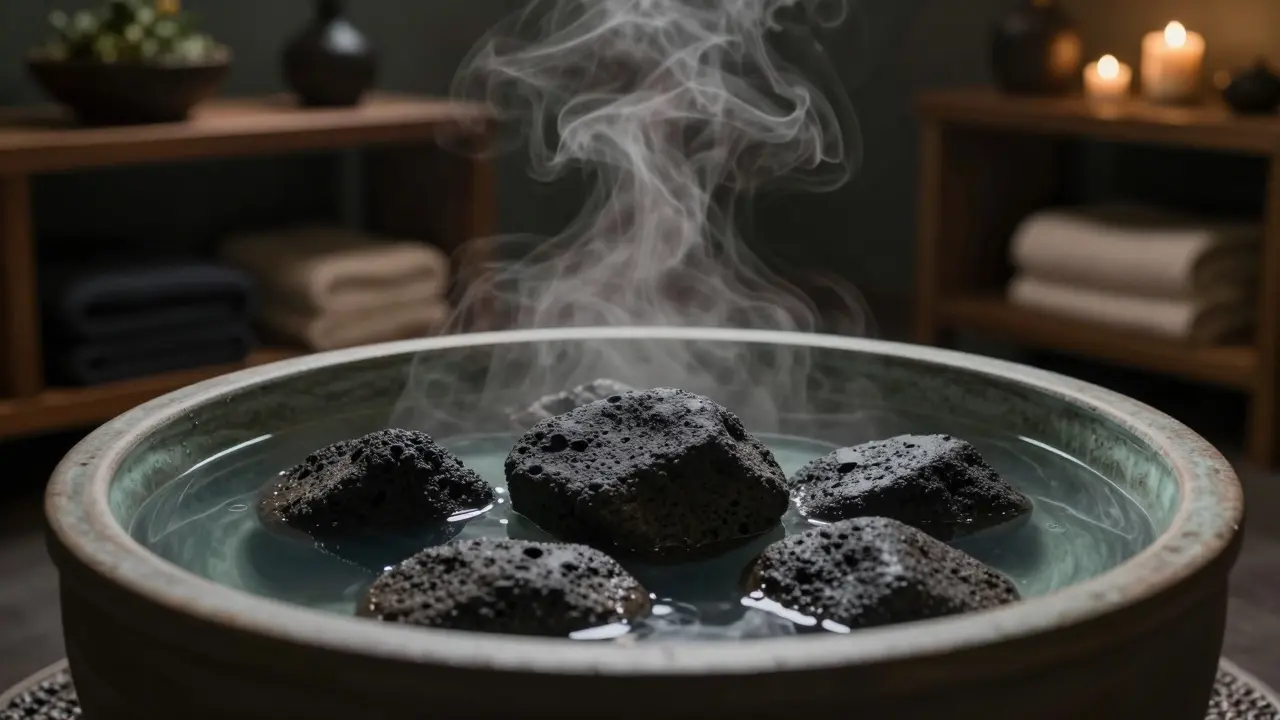
You need a dedicated heater-a device designed specifically for spa stones. If you don't have a heater, a water bath method works but requires careful monitoring. Place stones in clean water inside a pot. Bring the water to a boil, then remove the pot from the heat source. Let the stones sit in the hot water for at least 30 minutes. This ensures the core of the stone reaches the right temperature without creating dangerous surface spikes.
Target temperature is critical. You are aiming for a range between 37°C and 40°C (roughly 98°F to 104°F). This feels comfortably warm to the touch but not searing. Always test a stone on your own inner arm before applying it to someone else. If you flinch, it is too hot. The goal is to penetrate deep tissue, not burn the epidermis. Remember, nerve endings under thin skin can be quite sensitive.
Executing the Session: From Preparation to Application
Once your tools are ready, the actual process flows into a rhythm. A typical combined session lasts between 100 to 130 minutes. It shouldn't feel rushed. The environment plays a huge role here.
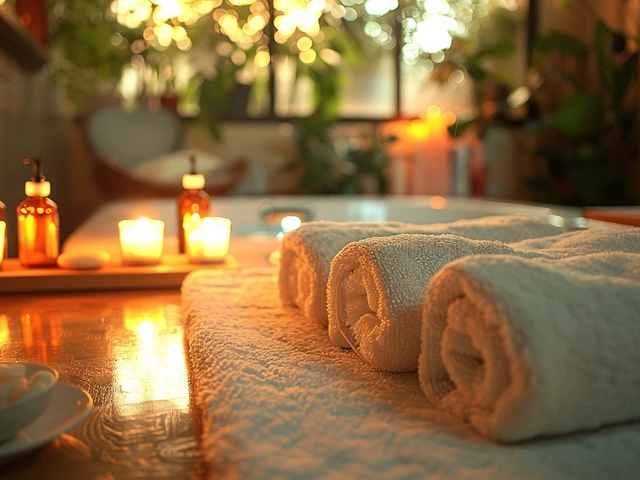
Start by preparing the space. Dim the lights. Lower the volume of background noise. Have your high-quality massage oil or body lotion warmed up as well. Cold oil on a warm body kills the momentum. You want seamless transitions between touch and heat.
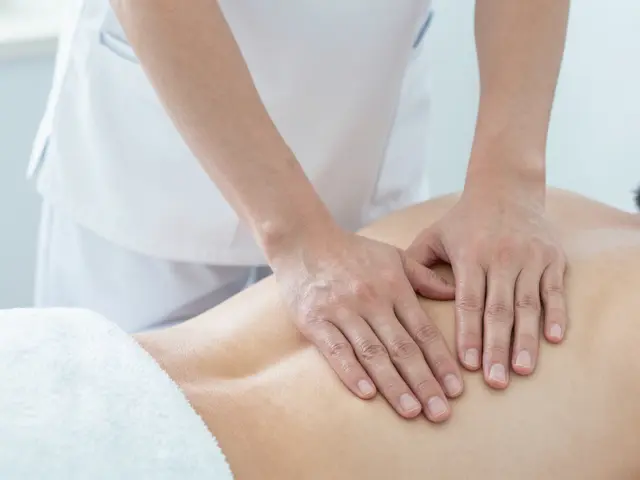
Begin with warming the recipient's body gently using your hands first. Establish trust and circulation. Then introduce the first stone.
- Static Placement: Lay stones along the spine, covering the paraspinal muscles from the base of the neck down to the lower back. You can also place them on the top of the feet or palms. Leave them there for 5 to 10 minutes. Watch for signs of deep breathing or sighs of relief.
- Dynamic Movement: Pick up a stone and glide it over the shoulder blades or legs. The heat allows you to go deeper without applying excessive crushing force. Move slowly, matching the breath of the person receiving the massage.
- Energetic Focus: In tantric contexts, placing stones on the chakra centers (head, throat, heart, solar plexus, sacrum, root) helps unlock stuck emotions. Hold a stone on the stomach area to help ground energy or on the forehead to calm the mind.
As stones cool, they lose effectiveness. Have a stack of backup stones ready. Swap the cool ones with fresh hot ones seamlessly. Never leave a stone cooling on the client's skin until it drops below a pleasant threshold; replace it before it turns uncomfortable.
Choosing Complementary Products
Your stones glide better when paired with the right medium. Massage OilOils designed for skin lubrication that reduce friction should be non-greasy but moisturizing. Coconut oil is a natural choice, but commercial jojoba-based blends often last longer.
Avoid heavy mineral oils that clog pores, especially if you are opening up the skin through sweating. Essential oils can enhance the experience. Lavender promotes sleep, while Ylang-Ylang is stimulating. Add a few drops to your carrier oil, ensuring it doesn't irritate the skin. Since you are using heat, ensure the room has good ventilation. Overheated air plus hot stones can lead to dehydration.
Safety and Risk Management
While relaxing, this therapy involves real physics-heat transfer. If misused, it carries risks. Never leave stones unattended. Do not apply them directly over broken skin, open wounds, or severe bruises. People with high blood pressure or heart conditions should consult a doctor before trying heat-intensive therapy. The dilation of blood vessels lowers blood pressure, which can cause dizziness when standing up afterward.
If the recipient says the stones are hot, stop immediately. Adjust the temperature down. Pain is never part of the healing process here. If a stone chips or cracks during heating, discard it immediately to avoid cuts. Regular inspection of your tools is part of maintenance. Clean them with mild soap and water after every session. Although they are sterile from the heat bath, residual oils need removal to maintain stone integrity.
Maintaining the Experience
The value of this practice extends beyond the hour spent lying down. Consistent application leads to long-term benefits like improved sleep quality and lowered anxiety levels. Treat your stones with care. Store them in a fabric bag, away from dust. When heated, let them cool completely before washing; shock damage happens when cold water hits a hot stone.
Integrating this into your routine, whether professionally or at home, offers a gateway to deeper self-care. By understanding the mechanics of heat and touch, you empower yourself to create sessions that truly heal. The combination is potent. Approach it with respect for the body's sensitivity, and the rewards in relaxation will be evident.
Frequently Asked Questions
How hot should lava stones be for massage?
Ideally, stones should be heated to between 37°C and 40°C (98°F to 104°F). This temperature provides deep penetration into muscle tissue without risking burns to the skin. Always test the heat on your own forearm before applying to the client.
Can I reuse the same stones multiple times?
Yes, basalt stones can be reused indefinitely provided they remain intact. However, always wash them with mild soap after every session and sanitize them before reheating. Discard any stone that develops cracks or sharp edges.
What happens if a stone gets too cold during treatment?
A cold stone stops providing therapeutic benefit and can feel uncomfortable on warm skin. You should have a backup supply of heated stones ready. Swap the cooled stone for a fresh hot one immediately to maintain the flow and temperature balance.
Is lava stone massage safe for everyone?
Generally yes, but people with circulatory issues, diabetes, or pregnancy should seek medical advice first. The heat affects blood pressure and circulation. Avoid using stones on sensitive areas like varicose veins or damaged skin.
Why do we use lava stones instead of regular rocks?
Volcanic lava stones (basalt) are naturally dense and polished. They hold heat longer and smoother than garden rocks. Garden stones may have hidden chemicals, rough surfaces, or air pockets that cause overheating or infection. Basalt is the professional standard for hygiene and performance.