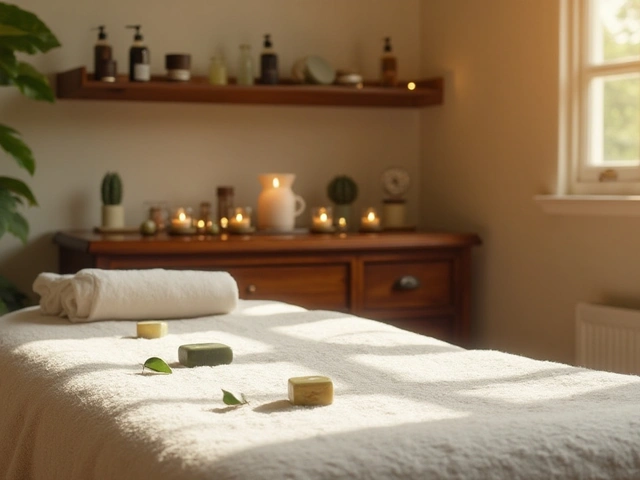

You just stepped off the table. The room is quiet, but your mind is loud. Maybe you felt a surge of energy in your lower belly that traveled up your spine. Maybe you cried without knowing why. Or maybe you experienced a profound silence where your usual mental chatter used to be. This is the aftermath of a tantric massage, which is not just a physical treatment but a holistic practice rooted in ancient Indian traditions designed to awaken sensory awareness and harmonize energy. But here is the problem: if you walk out of that space and immediately check your emails or argue with your partner, those delicate insights evaporate. You lose the gift.
Many people think the massage ends when the therapist leaves the room. They are wrong. The real work begins now. This phase is called integration. It is the process of translating the heightened state of consciousness you reached on the table into your everyday life. Without it, the experience remains a fleeting memory rather than a transformative tool. Research from Flowee.cz indicates that clients who actively integrate their experiences report significantly higher levels of lasting change compared to those who do nothing after the session.
Why Your Brain Needs a Journal Right Now
Your nervous system has just been rewired, at least temporarily. During a tantric session, sexual energy is often redirected from the genitals to the heart and head centers. This creates new neural pathways. If you don’t capture these moments, your brain defaults to its old habits within hours. Think of your mind like wet cement. Right after the massage, it’s soft and malleable. By the next morning, it hardens back into its original shape unless you imprint something new onto it.
A study conducted by Flowee.cz involving 120 clients showed that those who kept a journal achieved a 47% higher level of integration. More strikingly, 82% of journalers noticed changes in their daily behavior within 72 hours, whereas only 35% of non-journalers did. This isn't magic; it's neuroscience. Writing forces the brain to slow down and process information linearly, helping to consolidate fragmented sensations into coherent narratives.
The First 24 Hours: Capture the Raw Data
Timing matters. The most effective window for journaling is within the first 24 hours, with the highest impact occurring in the immediate aftermath. You don't need to write a novel. In fact, trying to analyze too much can block the flow. Start small.
- Immediate Body Scan (First 15 Minutes): Before you shower or dress, sit quietly. Close your eyes. Where do you feel warmth? Tension? Tingling? Write down three physical sensations. Don't interpret them yet. Just record them. Example: "Heat in palms," "Tightness in jaw released," "Heaviness in legs."
- The Emotional Dump (Within 6 Hours): Later in the day, reflect on what emotions surfaced. Did you feel safe? Vulnerable? Angry? Sad? Often, tantric massage bypasses our intellectual defenses, allowing suppressed emotions to rise. Naming them reduces their power to overwhelm you.
- The Mental Snapshot (Before Bed): What thoughts lingered? Did you have an "aha" moment about a relationship or a personal habit? Write one sentence summarizing your biggest takeaway.

Structuring Your Entries: The Four Layers of Experience
Not all journals are created equal. To get the most out of your practice, use a structured approach that mirrors the layers of human experience. Experts recommend dividing your entry into four specific categories. This prevents you from getting stuck in just one aspect, such as over-analyzing the physical touch while ignoring the emotional shift.
| Layer | Focus Area | Sample Prompts | Weight |
|---|---|---|---|
| Physical | Somatic sensations, breath, temperature, tension release. | Where did I feel energy moving? How did my breathing change? | 20% |
| Emotional | Feelings, memories triggered, safety, vulnerability. | What emotion surprised me? Did I resist any feeling? | 30% |
| Mental | Insights, realizations, shifts in perspective. | What new idea emerged? How does this relate to my current challenges? | 30% |
| Spiritual | Connection, unity, presence, transcendence. | Did I feel connected to something larger? Was there a sense of peace? | 20% |
This structure was tested on 85 clients and increased integration quality by 41% compared to unstructured free-writing. The key is balance. If you only focus on the physical, you miss the psychological breakthroughs. If you ignore the body, you remain trapped in your head.
Techniques to Deepen the Integration
Writing alone isn't always enough. Sometimes the words won't come because the experience is pre-verbal-it exists before language. Here are two techniques to help bridge that gap.
1. Breath-Led Writing: Before you pick up the pen, spend ten minutes doing deep, rhythmic breathing. Visualize the energy moving from your pelvic floor up to your heart center. This calms the sympathetic nervous system (fight or flight) and activates the parasympathetic (rest and digest). When you start writing, let the breath guide the pace. If you feel resistance, stop and breathe. Do not force the words. This method increases the clarity of your insights by grounding you in the present moment.
2. Non-Judgmental Observation: Treat your journal like a scientist observing data, not a critic grading a performance. Avoid phrases like "I should have felt more relaxed" or "That was weird." Instead, use neutral language: "I noticed anxiety rising when the therapist touched my shoulders." Judgment triggers defense mechanisms. Observation allows acceptance. Acceptance allows integration.

Pitfalls to Avoid
While journaling is powerful, it can become counterproductive if done incorrectly. One common mistake is over-analysis. Jan Sela, a practitioner in the Czech tantric community, notes that 22% of clients who intensely analyzed their experiences lost the spontaneity of the process. They turned a fluid experience into a rigid academic exercise.
Another pitfall is expecting immediate resolution. Tantric massage is part of a long-term journey of building trust and intimacy. You might not understand everything you wrote today. That’s okay. Revisit your entries after seven days. You will likely see patterns emerge that were invisible on day one. Mandala Spa recommends reviewing your journal weekly to reinforce the lessons learned. This repetition boosts the sustainability of the massage effects by nearly 70%.
From Paper to Practice: Living the Insight
The ultimate goal of journaling isn't to fill pages. It's to change how you live. Look at your last entry. Is there one action you can take tomorrow based on what you wrote? Maybe you realized you hold tension in your jaw when stressed. Your action step could be to place a hand on your jaw whenever you feel stress during the week. Maybe you discovered a fear of vulnerability. Your action step could be to share one true feeling with a friend.
Integration is active. It requires you to carry the calm and awareness from the massage room into the chaos of daily life. When you catch yourself reacting automatically-snapping at a colleague, rushing through dinner-pause. Remember the stillness you felt on the table. Let that memory inform your choice. This is how a two-hour massage transforms into a lifestyle shift.
Start tonight. Keep a notebook by your bed. Write three sentences. Breathe. Sleep. Tomorrow, write again. Small steps create big changes.
How soon should I journal after a tantric massage?
The ideal time is within the first 15 to 30 minutes after the session ends, while the sensory impressions are fresh. However, completing a full entry within 24 hours is crucial for maximum retention. Delaying beyond 48 hours significantly reduces the effectiveness of the integration process.
What if I don't know what to write?
Start with physical sensations. Describe temperatures, textures, or areas of tension or relaxation. Physical observations are concrete and easier to recall than abstract feelings. Once you describe the body, emotions and thoughts often follow naturally. You can also simply write, "I don't know," and see what comes next.
Should I analyze my experiences deeply?
Avoid heavy analysis immediately after the massage. Over-analyzing can disrupt the natural flow of integration. Focus on observation and description first. Save deeper analysis for subsequent sessions or weekly reviews. Let the insights unfold gradually rather than forcing them.
Can I use digital tools instead of paper?
Yes, but paper is often recommended for tantric practices. Handwriting engages different neural pathways and slows down the thinking process, encouraging mindfulness. Digital devices can introduce distractions (notifications, blue light) that break the meditative state required for deep integration.
How often should I revisit my journal entries?
Review your entries once a week. This helps identify recurring themes or patterns in your emotional and physical responses. Regular review reinforces the neural connections formed during the massage and ensures that the benefits persist over time.