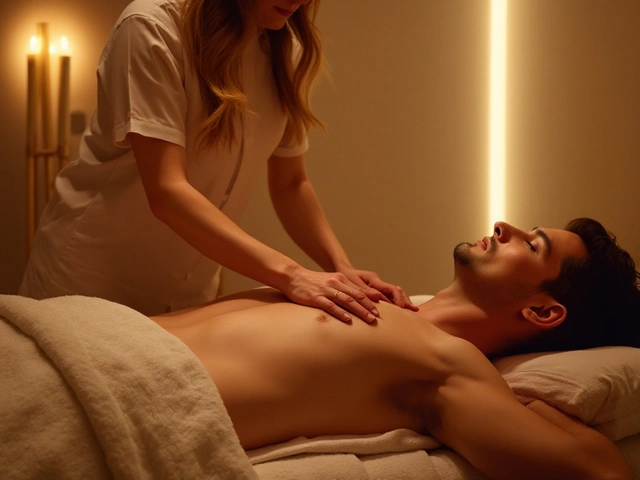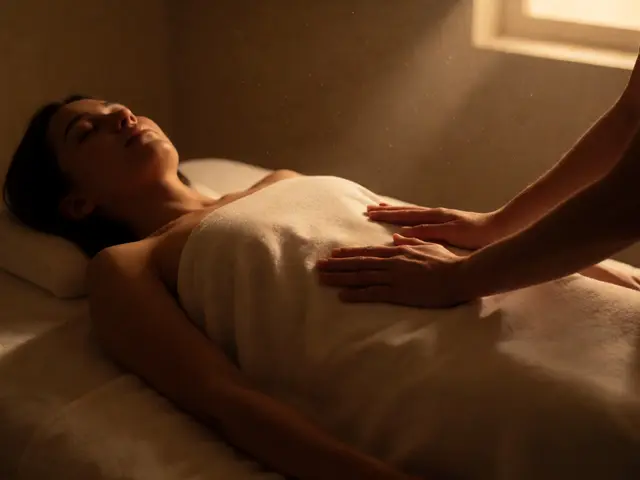
Imagine walking into a room where the air smells of sandalwood, the lighting is dim, and the atmosphere feels thick with intention. You aren't just there for a rub-down; you're there to unlock energy you didn't know you had. Now, imagine that same experience in your own living room, with your partner, perhaps with a few scented candles and a YouTube tutorial playing in the background. Are they the same thing? Not even close. While both aim for relaxation and connection, the gap between a professional ritual and a home attempt is wider than most people realize.
The core of the issue is that Tantric Massage is a ritualistic practice rooted in Tantric philosophy that focuses on connecting the body, mind, and energy through conscious touch and energy manipulation. It isn't about a quick physical release; it's about expanding pleasure and removing mental blocks. If you're trying to decide whether to book a session at a high-end studio or try it out at home, you need to understand what you're actually chasing: a professional therapeutic breakthrough or an intimate bonding experience.
The Professional Salon Experience: More Than Just a Massage
When you go to a professional studio, you aren't paying for the oil or the table-you're paying for an expert's training. A legitimate practitioner has usually undergone hundreds of hours of specialized education in anatomy, energy channels, and specific Tantra techniques. In fact, industry standards often suggest a minimum of 200 hours of training to truly grasp how to move energy without simply triggering a physical response.
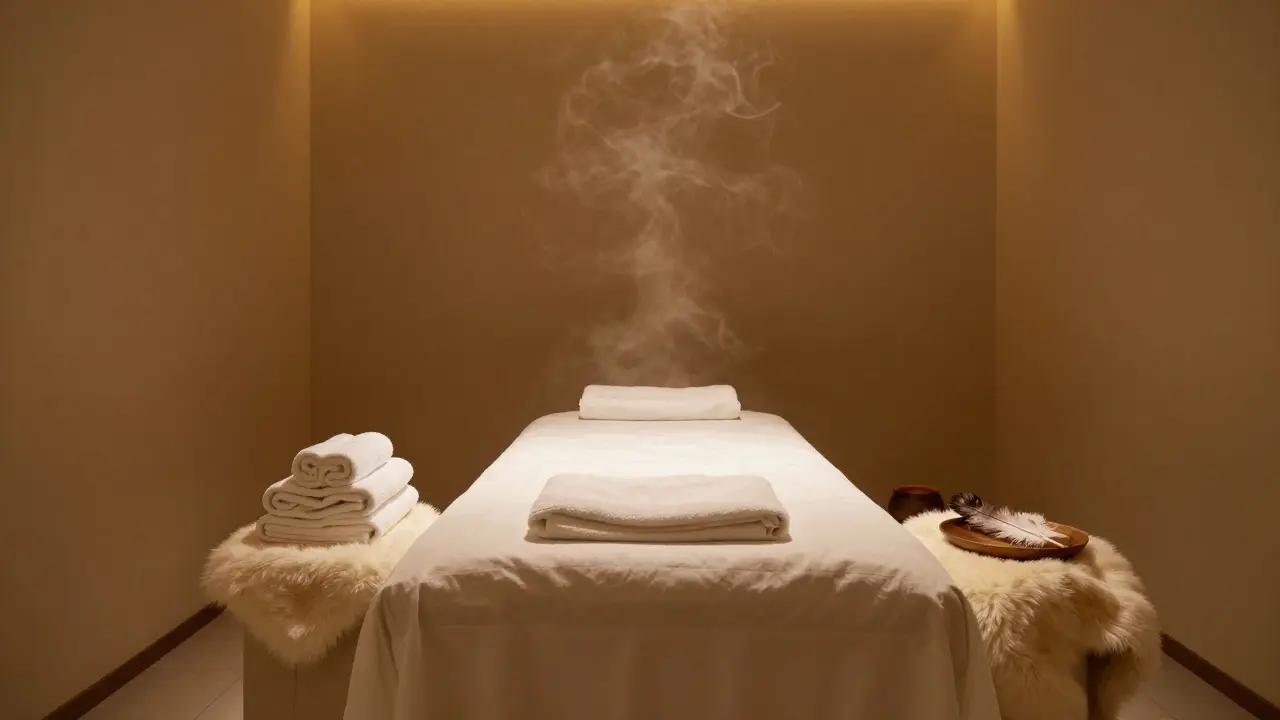
A professional session follows a strict ritual. It doesn't start the moment you hit the table. There is an introductory phase where the practitioner explains the process, helps you synchronize your breath, and sets the energetic boundary. They use specific tools-think hot towels, furs, and feathers-to engage different sensory receptors across your skin. The goal is to move slowly. While a standard massage might focus on muscle knots, this is about the whole body's energetic flow. A typical professional session lasts at least 90 to 120 minutes because the body needs time to drop its guard and enter a meditative state.
One of the biggest values here is the "safe container." A professional practitioner acts as a guide, ensuring that boundaries are respected and that the experience remains therapeutic rather than purely sexual. This allows the client to explore vulnerability without the pressure of performing or reciprocating, which is often where the deepest emotional releases happen.
Bringing Tantra Home: Connection Over Technique
Doing a Home Tantric Massage is a completely different animal. For most couples, "tantric massage" at home usually ends up being a slower version of a standard erotic massage. In fact, data suggests that a huge majority of people who think they've experienced tantra at home have actually just experienced physical stimulation with a fancy name. At home, we tend to rush. We focus on the "end goal"-climax-rather than the journey of the energy.
However, the home environment has one superpower that no salon can offer: intimacy. When two partners practice conscious touch, they aren't just manipulating energy; they are building trust and deepening their emotional bond. The lack of professional technique can be offset by the presence of deep love and familiarity. The challenge is that without training, home sessions often last only 30 to 60 minutes, which isn't nearly enough time to reach the altered state of consciousness that characterizes authentic Tantra.
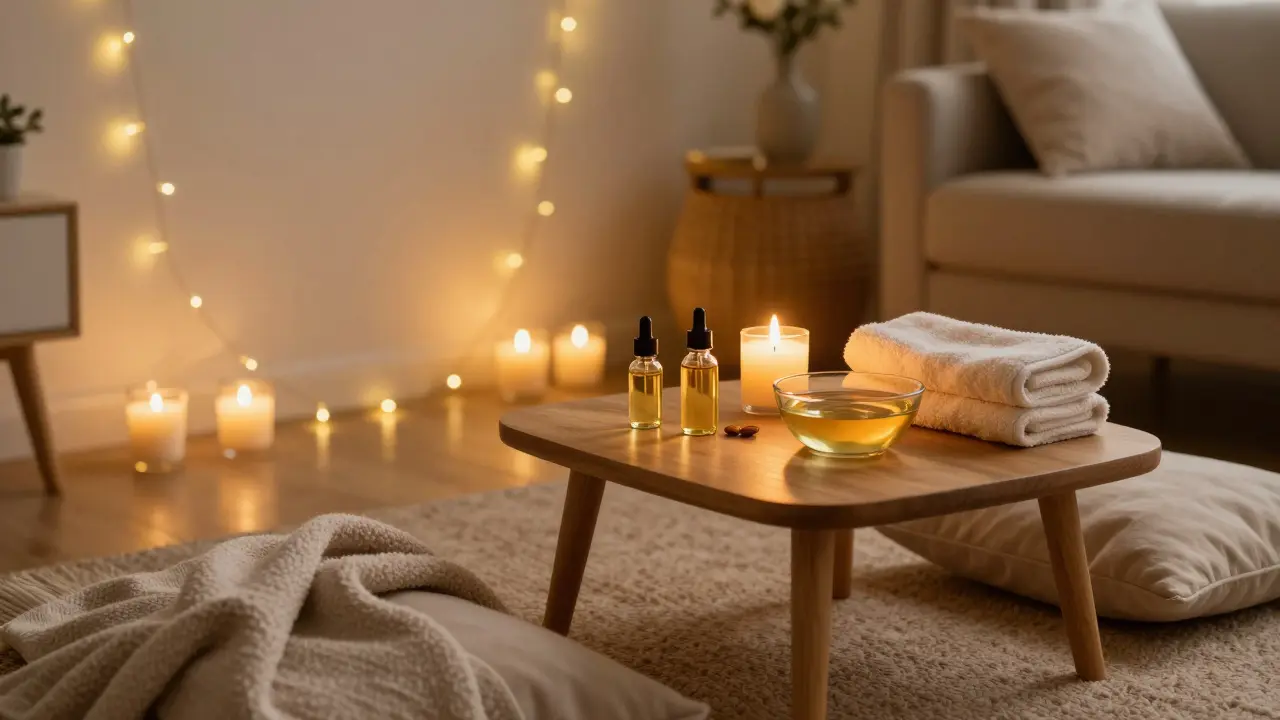
To make a home session work, you have to invest in the environment. You can't just do this on a bed with the laundry piling up in the corner. You need to curate the space-cleaning the room, using natural oils, and perhaps investing in a few basic tools like hot towels to mimic the sensory variety of a salon.
| Feature | Professional Salon | Home Practice |
|---|---|---|
| Training | 200+ hours of energy & anatomy study | Usually self-taught or intuitive |
| Duration | 90 - 120 minutes | 30 - 60 minutes (average) |
| Primary Goal | Energy release & self-discovery | Intimacy & partner bonding |
| Environment | Energetically cleansed, specialized tools | Domestic setting, basic tools |
| Boundaries | Strictly professional/therapeutic | Fluid/Intimate |
The Danger of the "Fake Tantra" Trap
Here is the uncomfortable truth: the market is flooded with "tantric" services that are just glorified erotic massages. If you walk into a place and the therapist puts you on the table immediately without a conversation or a breathing ritual, you aren't getting Tantra. Authentic Energy Work doesn't rush toward the finish line. It lingers. It explores. It often ignores the genitals for long periods to build a systemic tension throughout the entire body.
This trap exists both in salons and at home. Many people believe that if it feels good and ends in a climax, it was "tantric." But the real goal is often the opposite-expanding the pleasure so much that the climax becomes secondary, or even unnecessary, to the feeling of wholeness. This is why professional training is so critical; it takes a lot of discipline to avoid the instinct to rush toward the end.
How to Choose Your Path
If you have never experienced a real energy session, start with a professional. Why? Because you need a benchmark. You need to feel what it's like when a trained practitioner moves energy through your body and guides your breath. Trying to learn this solely from the internet is like trying to learn surgery from a blog-you'll get the basic movements right, but you'll miss the nuance and the safety.
Once you've had a few professional sessions, you can bring those insights home. You'll know how to slow down. You'll know how to use your breath to move the sensation from one part of the body to another. At this point, the home practice becomes a way to maintain the state of openness you discovered in the salon.
For those who are strictly looking for a romantic spark with a partner, the home version is a wonderful tool. Just remember to set aside at least two hours. If you treat it like a chore or a quick act before bed, you're missing the point of the philosophy. The magic isn't in the touch itself, but in the sexual wellness and presence you bring to that touch.
How can I tell if a salon is actually providing authentic tantric massage?
Look for transparency. Legitimate studios usually show the faces of their practitioners and provide a detailed description of their training and philosophy. Beware of places that focus heavily on "guaranteed" physical results or have a rushed atmosphere. An authentic session always begins with an introductory ritual and focuses on the whole body's energy rather than just the genitals.
Can a home massage ever be as effective as a professional one?
In terms of energy manipulation, it's difficult without training. However, in terms of emotional intimacy and bonding, a home massage can actually surpass a professional one. The key is for partners to learn the basic principles of conscious touch and slow breathing, ideally after experiencing a professional session to understand the rhythm.
What equipment do I need for a decent home tantric experience?
You don't need a full spa, but a few items help shift the mood. High-quality natural oils (like coconut or almond), a set of warm towels, soft lighting, and perhaps some feathers or a soft fur throw to create different tactile sensations. Most importantly, a clean, warm space where you won't be interrupted for at least two hours.
Is tantric massage the same as erotic massage?
No. While both involve touch, erotic massage is designed for physical stimulation and a specific outcome (orgasm). Tantric massage is a spiritual and energetic practice. Its goal is the expansion of consciousness and the movement of energy through the body; the physical release is a side effect, not the primary objective.
Why does the length of the massage matter so much?
The human nervous system takes time to shift from "fight or flight" mode into a state of deep surrender. A 30-minute session barely scratches the surface. It takes roughly 60 to 90 minutes for the mind to stop analyzing and for the body to truly open up to the flow of energy. Shorter sessions often result in a purely physical experience without the energetic shift.