Have you ever wondered if it’s possible to reach a peak state of pleasure without any physical touch? For many people, the idea sounds impossible. We are conditioned to believe that sexual release requires direct stimulation of erogenous zones. But there is a growing movement exploring a different path-one that relies on internal awareness, breath, and intention rather than hands or objects.
This phenomenon is often called an energy orgasm. Unlike the traditional genital-focused climax, this experience is described as a wave of intense vibration, warmth, or bliss that spreads through the entire body. It doesn’t require friction, penetration, or even nudity. Instead, it taps into what practitioners call "life force" or "sexual energy," redirecting it from localized arousal to a full-body resonance.
If you’ve heard whispers about this in wellness circles or tantric workshops, you might be curious-but also skeptical. Is it real? Is it safe? And more importantly, can you actually learn to do it? Let’s break down what an energy orgasm really is, how it differs from conventional pleasure, and how you can explore it safely using advanced techniques rooted in ancient traditions.
What Exactly Is an Energy Orgasm?
An energy orgasm is a non-genital, whole-body ecstatic state achieved by circulating sexual energy throughout the nervous system without physical stimulation. Think of it less like a biological reflex and more like a meditative trance where your body becomes highly sensitive to subtle internal shifts.
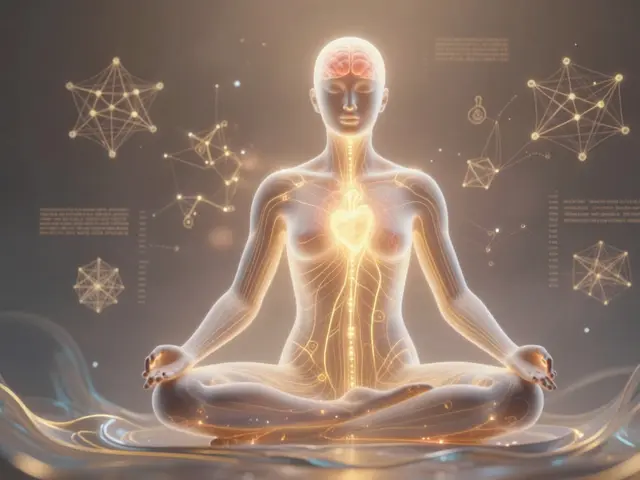
In traditional tantra-a spiritual and sensual practice originating in India-sexual energy (often referred to as *kundalini* or *prana*) isn’t just for reproduction or fleeting pleasure. It’s seen as a powerful creative force that can be harnessed, moved, and transformed. When this energy flows freely through your body’s meridians (energy channels) and chakras (energy centers), it can trigger states of euphoria that feel similar to orgasm but originate from within.
Practitioners describe these experiences differently. Some report tingling sensations starting at the base of the spine and rising upward. Others feel waves of heat, trembling, or deep emotional release. A few say they enter a kind of flow state where time seems to stop, and their mind goes quiet while their body vibrates with intensity.
The key difference between an energy orgasm and a standard orgasm lies in location and duration. A typical orgasm lasts seconds and is concentrated in the pelvic region. An energy orgasm can last minutes-or even longer-and involves the entire body. You don’t need a partner. You don’t need tools. All you need is presence, patience, and practice.
How Does It Work? The Science Behind the Sensation
You might be wondering: how can something so subjective have any basis in reality? While mainstream science hasn’t fully mapped out "energy orgasms," several physiological and psychological mechanisms help explain why they feel so real.
- Nervous System Activation: Your autonomic nervous system controls both relaxation and arousal. By combining slow breathing, mindfulness, and gentle movement, you can shift into a parasympathetic-dominant state-where your body feels calm yet alert. This creates the perfect conditions for heightened sensitivity.
- Endorphin Release: Deep meditation and focused attention on bodily sensations trigger the release of endorphins and oxytocin-the same chemicals involved in pleasure, bonding, and pain relief. These neurochemicals amplify feelings of well-being and can mimic the afterglow of orgasm.
- Brainwave Shifts: Studies show that prolonged meditation lowers brain activity in the default mode network (the part responsible for self-referential thinking). When this happens, people often report feeling connected to something larger than themselves-which aligns with descriptions of transcendent energy orgasms.
- Proprioceptive Awareness: As you focus inward, your proprioception (your sense of where your body is in space) sharpens. Small movements, breath patterns, and muscle tensions become noticeable. Over time, this increased awareness allows you to detect and guide energy flow consciously.
So while we may not yet have fMRI scans proving "chakra activation," the combination of neuroscience, psychology, and embodied experience gives us strong reason to take these practices seriously-not as magic, but as trainable skills.
Why People Seek Energy Orgasms
It’s easy to dismiss energy orgasms as New Age fluff unless you understand what drives people toward them. Here are some common motivations:
- Trauma Recovery: For survivors of sexual abuse or assault, physical intimacy can trigger flashbacks or dissociation. Energy-based practices offer a way to reconnect with pleasure without re-traumatization.
- Solo Exploration: Not everyone has a partner-or wants one right now. Energy orgasms allow individuals to cultivate self-love and autonomy over their own pleasure.
- Spiritual Growth: Many view sexual energy as sacred. Learning to move it intentionally supports personal transformation, creativity, and deeper connection to life itself.
- Enhanced Intimacy: Couples who practice together often report greater emotional closeness, better communication, and renewed passion-even when sex frequency decreases.
- Chronic Pain Management: Some users find that regular energy work reduces tension headaches, back pain, and anxiety by releasing stored stress in the muscles and fascia.
These aren’t fringe benefits-they’re core reasons why thousands attend tantric workshops worldwide every year. Whether you’re healing, seeking joy, or simply curious, understanding your motivation helps shape your approach.

Step-by-Step Guide to Experiencing an Energy Orgasm Safely
Ready to try it yourself? Don’t rush. Like learning to play piano or surf, mastering energy circulation takes time, consistency, and respect for your limits. Follow this step-by-step process designed for beginners and intermediates alike.
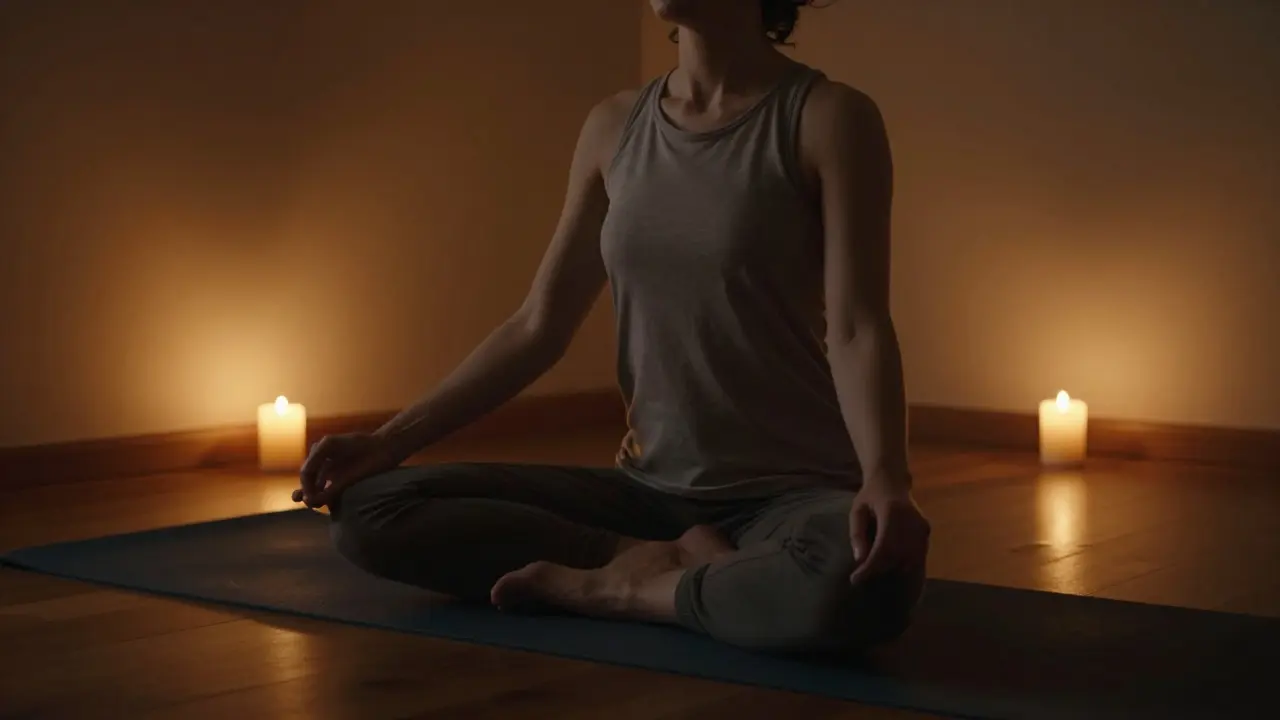
- Create a Safe Space: Choose a quiet room where you won’t be interrupted. Dim the lights, light candles, or play soft music. Comfort matters-lie down on a yoga mat or bed with pillows under your knees if needed.
- Ground Yourself First: Sit comfortably and place your hands on your thighs. Close your eyes. Breathe slowly through your nose for five minutes. Feel your feet pressing into the floor. Imagine roots growing from your sit bones into the earth. This stabilizes your energy before moving it.
- Scan Your Body: Starting at your toes, mentally scan each body part up to your head. Notice areas of tightness, numbness, or warmth. Don’t judge-just observe. This builds body awareness, which is essential for detecting energy shifts later.
- Breathe Into Your Pelvis: Place one hand on your lower belly. Inhale deeply, imagining air filling your pelvis. Exhale slowly, letting go of any held tension. Repeat ten times. Visualize golden light gathering around your sacrum.
- Circulate With Breath: Now imagine drawing that light upward along your spine with each inhale. On exhale, let it spread outward into your arms, legs, and chest. Keep going for 10-15 minutes. If distractions arise, gently return to your breath.
- Add Gentle Movement: Once you feel warmth or tingling, begin swaying side-to-side or rocking forward-backward. Let your hips move naturally. No forcing. Just follow whatever arises.
- Allow Release Without Expectation: Here’s the secret: don’t chase the orgasm. Surrender to whatever comes-whether it’s tears, laughter, shivers, or silence. True energy orgasms happen when you stop trying to control them.
- Close With Gratitude: Afterward, lie still for five minutes. Thank your body for showing up. Drink water. Journal about what you noticed. Integration is half the practice.
Remember: your first attempt might feel nothing special. That’s okay. Consistency beats intensity. Try this routine three times per week for four weeks. Most people notice changes within two weeks.
Safety Considerations & Common Pitfalls
Just because something feels good doesn’t mean it’s risk-free. Energy work can stir up suppressed emotions, memories, or physical symptoms. Here’s how to stay safe:
- Don’t Force Anything: Pushing too hard can cause headaches, dizziness, or emotional overwhelm. If you feel dizzy, pause. Ground yourself again. Slow down.
- Avoid During Acute Stress: If you’re grieving, anxious, or dealing with major life changes, wait until things stabilize. Energy work amplifies existing states-it doesn’t fix broken ones overnight.
- Watch for Dissociation: If you lose touch with reality, feel detached from your body, or panic during practice, stop immediately. Talk to a therapist familiar with somatic therapy or trauma-informed care.
- No Substances Involved: Alcohol, drugs, or sedatives dull your nervous system and make it harder to read subtle signals. Stay sober during sessions.
- Respect Boundaries: Never pressure yourself or others to "achieve" an energy orgasm. It’s not a performance metric. It’s a personal journey.
If you have a history of psychosis, severe depression, or unmanaged PTSD, consult a mental health professional before beginning intensive energy practices. They can help determine whether this path suits your current needs.

Comparison: Traditional vs. Energy Orgasm
| Aspect | Traditional Orgasm | Energy Orgasm |
|---|---|---|
| Stimulation Source | Physical touch, friction, devices | Breath, visualization, intention |
| Duration | Seconds to 1 minute | Minutes to hours (with training) |
| Body Involvement | Pelvic/genital focus | Whole-body resonance |
| Mental State | Often distracted, goal-oriented | Present, mindful, open-ended |
| Partner Required? | Usually yes (for partnered sex) | No-can be done solo |
| Aftereffects | Fatigue, refractory period | Energized, clear-headed, emotionally balanced |
Notice how energy orgasms prioritize sustainability over speed. They’re not about escaping discomfort-they’re about transforming it into vitality.
Advanced Techniques for Experienced Practitioners
Once you’ve mastered basic circulation, you can deepen your practice with these advanced methods:
- Kegel Reversals: Instead of tightening your pelvic floor, actively relax it. Then visualize pulling energy upward from your perineum into your heart center. Hold for 10 seconds. Release. Repeat five times.
- Vocal Tonings: Hum low notes while visualizing sound waves vibrating through your organs. Different frequencies resonate with different chakras. Low tones ground; high tones elevate.
- Eye Gazing Meditation: With a trusted partner, sit facing each other. Maintain soft eye contact without speaking. Breathe synchronously. This builds energetic connection without touching.
- Shadow Work Integration: Before practicing, write down fears or beliefs about sexuality. Burn the paper symbolically. Clear mental blocks so energy flows freely.
- Seasonal Alignment: Practice more intensely during spring (growth) and autumn (release). Reduce effort in winter (rest) and summer (expansion).
These techniques build on foundational skills. Don’t skip ahead unless you’re comfortable with daily breathwork and body scanning.
When to Seek Professional Guidance
While self-guided practice works for many, certain situations benefit from expert support:
- If you struggle with chronic pain or mobility issues, look for certified tantric massage therapists trained in adaptive techniques.
- If past trauma surfaces unexpectedly, consider working with a somatic psychotherapist alongside your energy practice.
- If you want structured learning, join a reputable workshop led by instructors with verifiable credentials (e.g., Andrew Barnes, Leslie Grace, or local equivalents).
Always verify teacher qualifications. Ask questions like: “Do you handle emergencies?” “Is consent emphasized?” “Are participants required to undress?” Legitimate teachers will answer openly and never pressure you.
Can anyone experience an energy orgasm?
Most people can-with consistent practice. Factors like age, gender, or orientation don’t matter. What matters is willingness to listen to your body and commit to regular training. Some find it easier than others due to prior meditation experience or natural sensitivity.
Is an energy orgasm physically pleasurable?
Yes-but differently. Rather than sharp peaks, expect rolling waves of warmth, tingling, or emotional release. Many describe it as deeply satisfying, almost addictive, because it leaves you energized instead of drained.
Do I need a partner to achieve this?
No. Solo practice is completely valid and widely practiced. Partnerships enhance shared exploration, but aren’t necessary. Focus on building your own relationship with your body first.
How long does it take to learn?
Beginners often feel mild effects within 2-4 weeks of daily practice. Full-blown energy orgasms typically emerge after 2-6 months of dedicated effort. Patience is crucial-rushing leads to frustration.
Are there risks involved?
Minimal if done correctly. Risks include temporary fatigue, emotional flooding, or confusion if expectations are unrealistic. Always honor your limits and seek help if distress occurs.
Can children or teens practice this?
Not recommended. These practices involve mature themes of sexuality and identity. Wait until adulthood when cognitive and emotional development supports informed consent and reflection.
Does religion conflict with energy orgasms?
It depends on interpretation. Many faiths embrace holistic wellness and inner peace. Others may view sexual energy as taboo. Reflect personally-there’s no universal rule. Respect your values while staying open-minded.
Will this replace my sex life?
Unlikely. Energy orgasms complement rather than replace physical intimacy. Many couples use both forms to enrich their connection. Think of it as adding color to a painting-not replacing the canvas.
What should I wear during practice?
Comfortable, loose clothing. Or none at all-if that feels right. Nudity isn’t required. Choose whatever helps you feel relaxed and free from distraction.
How do I know if I’m doing it right?
There’s no single "right" way. Trust your intuition. If you feel grounded, present, and increasingly aware of your body, you’re on track. Results vary-some days will feel profound, others平淡. Both are normal.