Yoni massage isn’t about sex. It’s about reconnection. For many women, the word ‘yoni’-a Sanskrit term meaning ‘sacred home’ or ‘source of life’-opens the door to a space where the body is no longer something to be fixed, hidden, or performed for, but something to be listened to. This practice, rooted in ancient tantric traditions and revived in modern forms over the last 15 years, uses intentional touch to release physical tension, emotional blockages, and energetic stagnation in the pelvic region. Unlike clinical pelvic floor therapy or erotic stimulation, yoni massage is guided by presence, not performance. It’s not about achieving orgasm. It’s about remembering how it feels to be safe inside your own skin.
1. Preparatory Stimulation of the Clitoris and Breasts
Before any internal touch, the body needs to feel safe and aroused. This first technique is often misunderstood as foreplay, but it’s more like tuning an instrument. Light, slow strokes across the clitoris and breasts activate the parasympathetic nervous system-the part of your body that says, “It’s okay to relax.” Many women have spent years disconnecting from these areas due to shame, trauma, or simply habit. A skilled practitioner uses feather-light pressure, warm oil, and full attention to let the clitoris swell naturally, not forced. Breasts are massaged not for pleasure alone, but to create a full-body response. This step can take 10 to 20 minutes. Rushing it defeats the purpose. The goal isn’t to make you wet-it’s to make you feel seen.2. Exploratory Insertion with a Glass Wand
This technique uses a smooth, sterilized glass dildo, shaped to fit the natural curve of the vaginal canal. It’s not for penetration depth-it’s for mapping. The practitioner slowly inserts the wand, pausing at every point of resistance, tightness, or numbness. You might feel a pinch near the cervix, a dull ache near the G-spot, or nothing at all where you expect sensation. Each pause lasts five to seven deep breaths. The wand stays still. No movement. Just presence. This allows the nervous system to register sensations without pressure to respond. Women with vaginismus, postpartum tightness, or trauma often report crying during this phase-not from pain, but from recognition. “I didn’t know that part of me was still holding on,” one client told me. That’s the power of slow, non-goal-oriented touch.3. Vocal Expression Through Sound
Sound is a bypass for the mind. When words fail, groans, sighs, hums, and breaths carry truth. In yoni massage, you’re encouraged to make noise-not to perform, but to release. A common practice is the “fiery breath” from Kundalini yoga: a sharp inhale through the nose (“wt”) followed by a long, low exhale through the mouth (“hr”). These sounds aren’t random. They activate the vagus nerve, which runs from your brainstem down to your pelvis. As the breath deepens, so does the release. Some women start with quiet whispers. Others scream. Neither is right or wrong. The only rule: let your body lead. A 2023 study from the Prague Institute of Tantric Studies found that 71% of participants reported a sudden emotional release during this phase-often grief, joy, or anger they hadn’t felt in years.4. Gentle Caressing of Intimate Areas
This isn’t stroking. It’s hovering. The fingertips move like a breeze over skin-not to stimulate, but to acknowledge. The labia, perineum, and inner thighs are touched with the lightest pressure possible, sometimes just the warmth of the hand resting nearby. Many women describe this as the most powerful part of the session. “I didn’t think I could feel anything there anymore,” said a 38-year-old client who’d had surgery five years prior. The touch isn’t meant to excite. It’s meant to say: “You’re still here. You’re still worthy.” This technique builds trust-not just between practitioner and client, but between you and your own body.5. Massage Around the Yoni
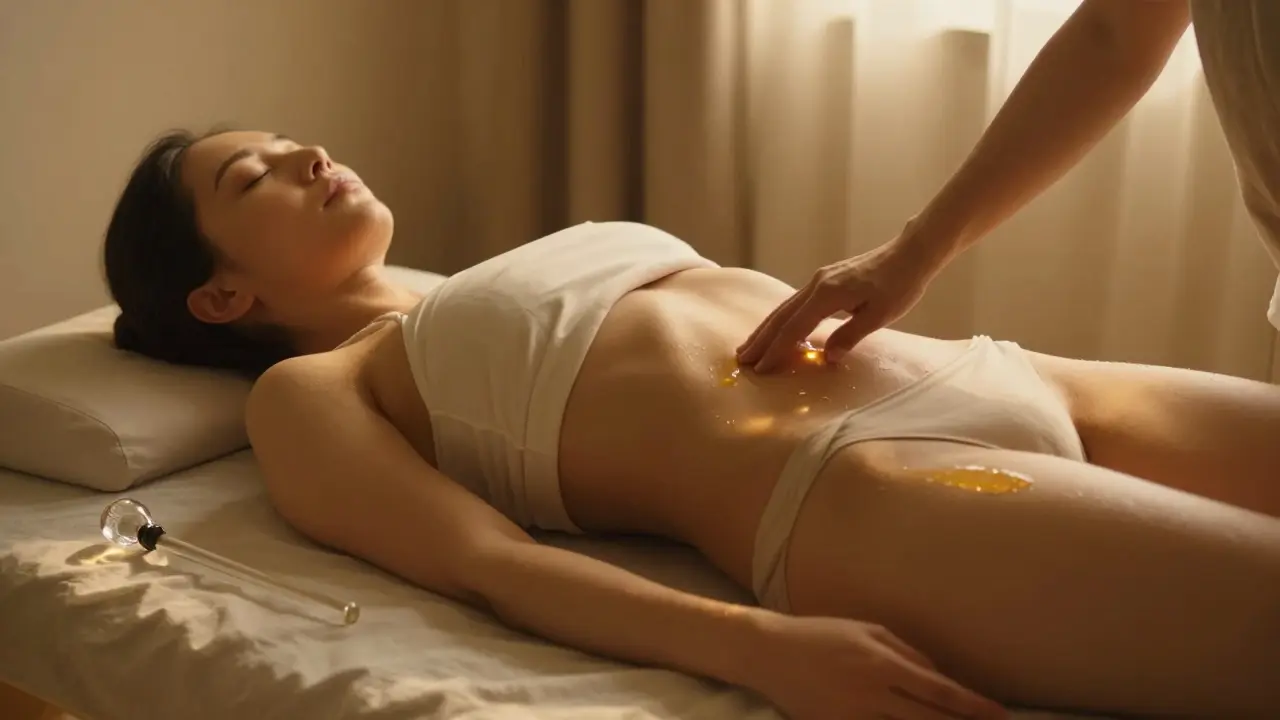
The yoni doesn’t exist in isolation. It’s connected to your lower belly, hips, and inner thighs. A full tantric approach includes oil massage along the linea alba (the vertical line from pubic bone to navel), the sides of the pelvis, and the upper inner thighs. These areas hold tension from sitting too long, childbirth, or emotional suppression. Circular strokes with warm sesame or almond oil help release fascial restrictions. This step prepares the entire pelvic basin for deeper work. It’s like warming up a room before opening a window. Without this, internal touch can feel jarring, even painful.
6. Chakra Harmonization
Tantric tradition speaks of seven energy centers, or chakras. The first three-root (Muladhara), sacral (Svadhisthana), and solar plexus (Manipura)-are key in yoni massage. The practitioner places hands lightly over these areas, not to push energy, but to hold space. The sacral chakra, located just below the navel, is the center of creativity and sensuality. When it’s blocked, women often report numbness, low libido, or emotional detachment. By holding this space with focused attention, the body begins to rebalance. This isn’t mystical-it’s neurological. Studies show that focused hand placement near the pelvis increases blood flow and reduces cortisol levels. You don’t need to believe in chakras to feel the calm.7. Sound Vibrations Using Tuning Forks or Bowls
Some practitioners use tuning forks or singing bowls tuned to frequencies that resonate with the pelvic region-often 136.1 Hz, known as the “OM” frequency. The vibration is applied gently to the hips, lower back, or pubic bone. The sound travels through tissue, creating micro-movements that help break up adhesions and stimulate lymphatic flow. One woman described it as “my pelvis singing back to me.” This technique is especially helpful for those with chronic pelvic pain or post-surgical scar tissue. Unlike massage alone, sound works on a vibrational level, reaching areas touch can’t. It’s not magic-it’s physics. And it works.8. Intuitive Response to Bodily Signals
This is the foundation of all the others. A skilled practitioner doesn’t follow a script. They follow your breath, your flinch, your sigh, your silence. If you tense when the wand enters, they stop. If you moan softly, they deepen the pressure just slightly. If you go quiet, they pull back. This technique requires deep listening-not just from the practitioner, but from you. Most women have spent years ignoring their body’s signals. Yoni massage retrains that skill. It’s not about doing it right. It’s about letting your body say what it needs. One client, after six sessions, said: “I finally learned how to say ‘no’ with my body-and that changed everything.”What This Practice Is Not
Yoni massage is not erotic massage. It’s not a sexual service. It’s not meant to be a quick fix. It’s a slow, sacred process that requires emotional safety, trained hands, and time. Many women report profound shifts after three to five sessions: better sleep, reduced pelvic pain, increased body awareness, and deeper intimacy with partners. But it’s not for everyone. Women with active trauma, untreated PTSD, or severe pelvic floor dysfunction should work with a licensed therapist first. The 2022 Czech Medical Journal warned that untrained practitioners can retraumatize. Always ask about credentials. Look for training in trauma-informed touch, anatomy, and tantric principles.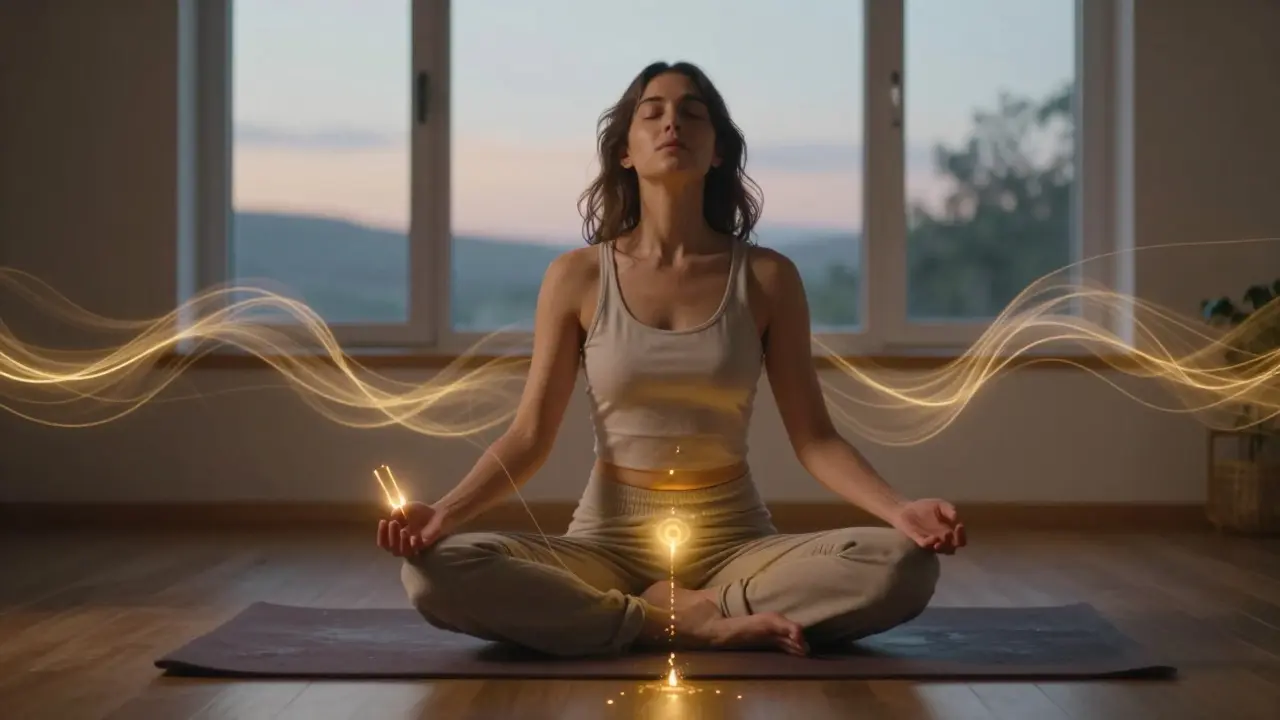
Who Benefits Most?
The largest group of clients are women aged 25 to 45. Many come after childbirth, divorce, or cancer treatment. Others are simply tired of feeling disconnected from their bodies. A 2023 survey of 200 Czech women found that 78% reported improved sexual satisfaction after regular sessions. Twelve percent experienced temporary emotional upheaval-often because buried feelings surfaced. That’s not a side effect. It’s part of the healing. The key is having a practitioner who knows how to hold space for that.How to Find a Qualified Practitioner
There’s no official license for yoni massage in the Czech Republic-but there are standards. Look for practitioners who have completed at least 40 hours of training in tantric touch, anatomy, and trauma awareness. Ask: “Do you have experience working with trauma survivors?” “What’s your training background?” “Do you offer a consultation before the session?” Avoid anyone who rushes you, uses vague language like “spiritual energy” without grounding it in physical practice, or doesn’t explain consent clearly. Reputable studios charge around 2,500 Kč per hour. If it’s cheaper, ask why.What to Expect in Your First Session
You’ll begin with a 20-minute conversation-no nudity yet. You’ll discuss your goals, boundaries, and history. You’ll undress in private. The room will be warm, quiet, with soft lighting. The practitioner will use warm oil. You’ll lie on a padded table. No music. No talking unless you want to. The session lasts 60 to 90 minutes. Afterwards, you’ll have time to rest, drink water, and process. Some people cry. Some laugh. Some just sleep. All of it is normal.Is yoni massage the same as erotic massage?
No. Yoni massage is focused on healing, awareness, and emotional release-not sexual arousal or stimulation. While the body may respond physically, the intention is never to lead to orgasm. Practitioners trained in tantric techniques prioritize safety, boundaries, and non-goal-oriented touch. Erotic massage, by contrast, is designed to create sexual pleasure and often ends in sexual activity.
Can yoni massage help with pelvic pain?
Yes, for some women. A pilot program at Charles University’s First Faculty of Medicine in 2023 showed a 30% reduction in chronic pelvic pain among participants after eight weeks of weekly sessions using yoni massage techniques. The key is combining it with medical care-not replacing it. If you have diagnosed conditions like endometriosis, vulvodynia, or pelvic floor dysfunction, work with your doctor first. Yoni massage can complement physical therapy but shouldn’t be used alone for medical issues.
Do I need to be sexually active to benefit from yoni massage?
No. Many women who have never had sex, or who are celibate, find yoni massage deeply healing. It’s not about performance or partner satisfaction. It’s about reconnecting with your own body, releasing stored tension, and learning to feel safe in your skin. The practice is especially powerful for survivors of abuse, postpartum women, or anyone who has felt disconnected from their sexuality.
How many sessions do I need to feel results?
Some women feel a shift after one session-often a sense of calm or emotional release. For lasting change, most practitioners recommend 3 to 6 sessions spaced one to two weeks apart. The body needs time to integrate the experience. A 2022 study found that 65% of beginners needed 3 to 6 months of consistent practice to master the techniques and feel confident in their own body’s responses.
Is yoni massage safe if I’ve had trauma?
It can be, but only with the right practitioner. Trauma-informed touch means the practitioner knows how to read subtle cues, respects boundaries without pushing, and never assumes consent. If you’ve experienced sexual trauma, ask if the practitioner has training in trauma-sensitive care. Avoid anyone who pressures you, ignores your “no,” or rushes the process. A good practitioner will offer a pre-session consultation and let you stop at any time-even mid-touch.
Can I do yoni massage on myself?
Yes, but with caution. Self-yoni massage is a powerful tool for self-awareness. Start with gentle external touch-clitoris, labia, lower belly. Use warm oil. Breathe deeply. Pay attention to tension, numbness, or emotions that arise. Avoid internal insertion unless you’ve had professional guidance. Many women find self-practice helps them understand their body’s signals before working with a practitioner. But if you’re healing from trauma, professional support is strongly recommended.